UpTrajectory Review
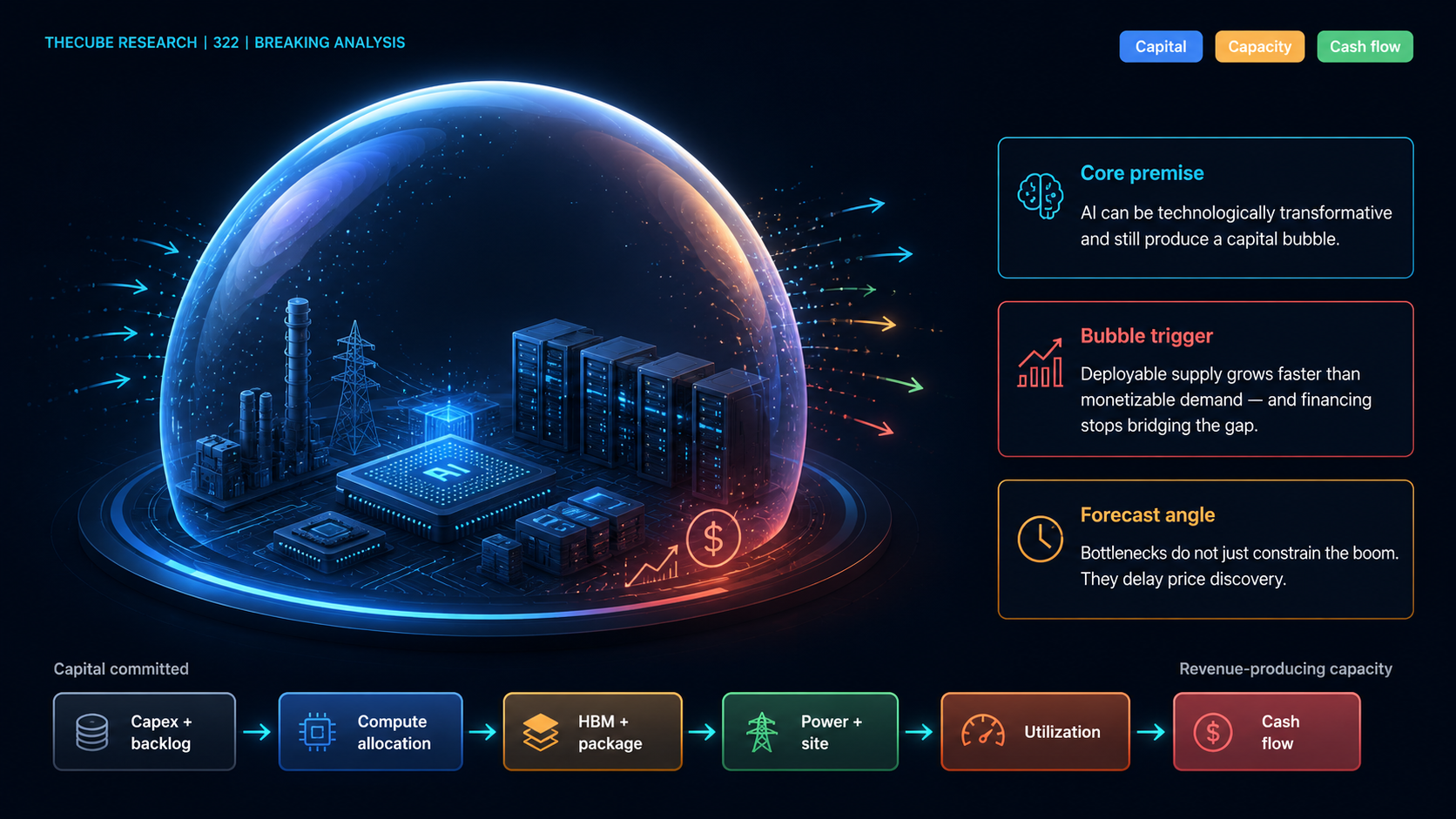
The article discusses the dual nature of artificial intelligence as both a transformative technology and a potential source of a capital bubble. It highlights that the rapid growth of AI capabilities can outpace the actual demand for monetizable applications, leading to a situation where supply exceeds demand. This imbalance can create a bubble that may burst without the technology itself failing, as the market adjusts to the realities of revenue generation and deployment timelines.
For small-business operators, this forecast is particularly relevant as it underscores the importance of understanding the market dynamics surrounding AI investments. As businesses consider integrating AI solutions, they must be cautious about the hype and ensure that their investments align with realistic expectations of return on investment. The potential for a bubble means that operators should be prepared for fluctuations in AI-related costs and availability.
The article raises important questions about the timing and sustainability of AI advancements. It suggests that while AI has the potential to revolutionize industries, the current pace of investment may not correspond to immediate market needs. This perspective invites skepticism about whether the current enthusiasm for AI is justified or if it is merely speculative. The distinction between transformative potential and actual market readiness is crucial for businesses making strategic decisions.
The implications of an AI bubble extend beyond immediate financial concerns. If a bubble does burst, it could lead to a contraction in funding for AI startups and projects, affecting innovation and job creation in the sector. Small businesses that rely on AI solutions may find themselves facing higher costs or reduced access to technology, impacting their competitiveness. Additionally, the fallout could lead to a more cautious investment climate, stifling future advancements.
Looking ahead, small-business operators should monitor AI market trends closely, particularly regarding investment flows and technological advancements. Engaging with industry experts and participating in discussions about AI's practical applications can help businesses navigate this evolving landscape. Operators should also consider diversifying their technology investments to mitigate risks associated with potential market corrections.
“The bubble bursting does not require AI to fail.” — SiliconAngle
Takeaway: Stay informed about AI market trends to make prudent investment decisions.
Excerpt from the original — SiliconAngle
Artificial intelligence can be technologically transformative and still produce a capital bubble. Those two ideas are not in conflict. The bubble bursting does not require AI to fail. It only requires deployable supply and capital commitments to grow faster than monetizable demand. When productive, revenue-producing AI capacity takes longer to materialize, pricing will normalize and […]
The post Forecasting the AI bubble: When scarcity turns to surplus appeared first on SiliconANGLE.