UpTrajectory Review
SiliconAngle reports on BotMan AI, a startup applying knowledge graphs to one of the most stubborn problems in enterprise IT: figuring out what a legacy application actually does before you try to rebuild it. The company's approach uses an AI-powered migration pipeline that maps an application's code dependencies, business logic, and data models into a structured knowledge graph. Founder Alejandro D'Andrea argues that this context layer lets AI agents interpret the system they're modernizing rather than blindly translating code. The available text is brief, but the underlying claim is significant: that the bottleneck in legacy modernization has never been writing new code, it's been understanding the old code well enough to know what to preserve.
For small-business operators, this matters more than the enterprise framing suggests. Most small businesses run on a patchwork of legacy systems — an aging point-of-sale platform, a custom inventory spreadsheet that became a database, a billing system written by a contractor who left years ago. When it comes time to modernize, the fear of breaking something critical is paralyzing, and consulting firms charge accordingly. If a knowledge-graph-driven tool can genuinely map how a system works before migration, it could dramatically lower the cost and risk of modernization projects that small businesses currently defer indefinitely or botch entirely.
What's genuinely new here is the architectural bet: rather than using large language models to directly translate legacy code into modern frameworks — an approach that produces plausible-looking but often subtly broken output — BotMan AI is building an intermediate representation first. That knowledge graph acts as a semantic bridge, giving AI agents structured context about business rules and data relationships rather than just raw syntax. We're cautiously optimistic about this direction. The 'translate and pray' model of AI code migration has produced enough horror stories that a context-first approach feels like a genuine conceptual advance, not just marketing.
The second-order effects are worth considering. If tools like this work, they shift leverage away from the armies of consultants who currently charge premium rates for legacy archaeology and toward the teams doing the actual rebuild. That's good for cost but potentially disruptive for the IT services ecosystem that many small businesses rely on for ongoing support. There's also a risk that business owners over-trust the automation: a knowledge graph is only as accurate as the code it maps, and legacy systems are full of undocumented workarounds, tribal-knowledge patches, and deliberate weirdness that no static analysis will fully capture. The human review step doesn't disappear; it just moves.
What to watch: whether BotMan AI and similar tools can demonstrate accuracy on genuinely gnarly legacy estates — not clean reference implementations, but the COBOL-and-duct-tape systems that represent the real market. Also watch whether the major cloud providers and modernization consultancies adopt knowledge-graph approaches natively, which would validate the concept and likely drive costs down further. For operators sitting on a modernization decision, the practical takeaway is to start documenting your system's business rules now, regardless of which tool you eventually use. The better your own map of how things work, the more value any AI-powered migration pipeline — BotMan AI's or a competitor's — will deliver.
“Legacy modernization requires understanding how an application's code, data and business rules fit together before rebuilding it.” — SiliconAngle
Takeaway: Start documenting your legacy system's business rules and data flows now — any AI migration tool will only be as good as the context you give it.
Excerpt from the original — SiliconAngle
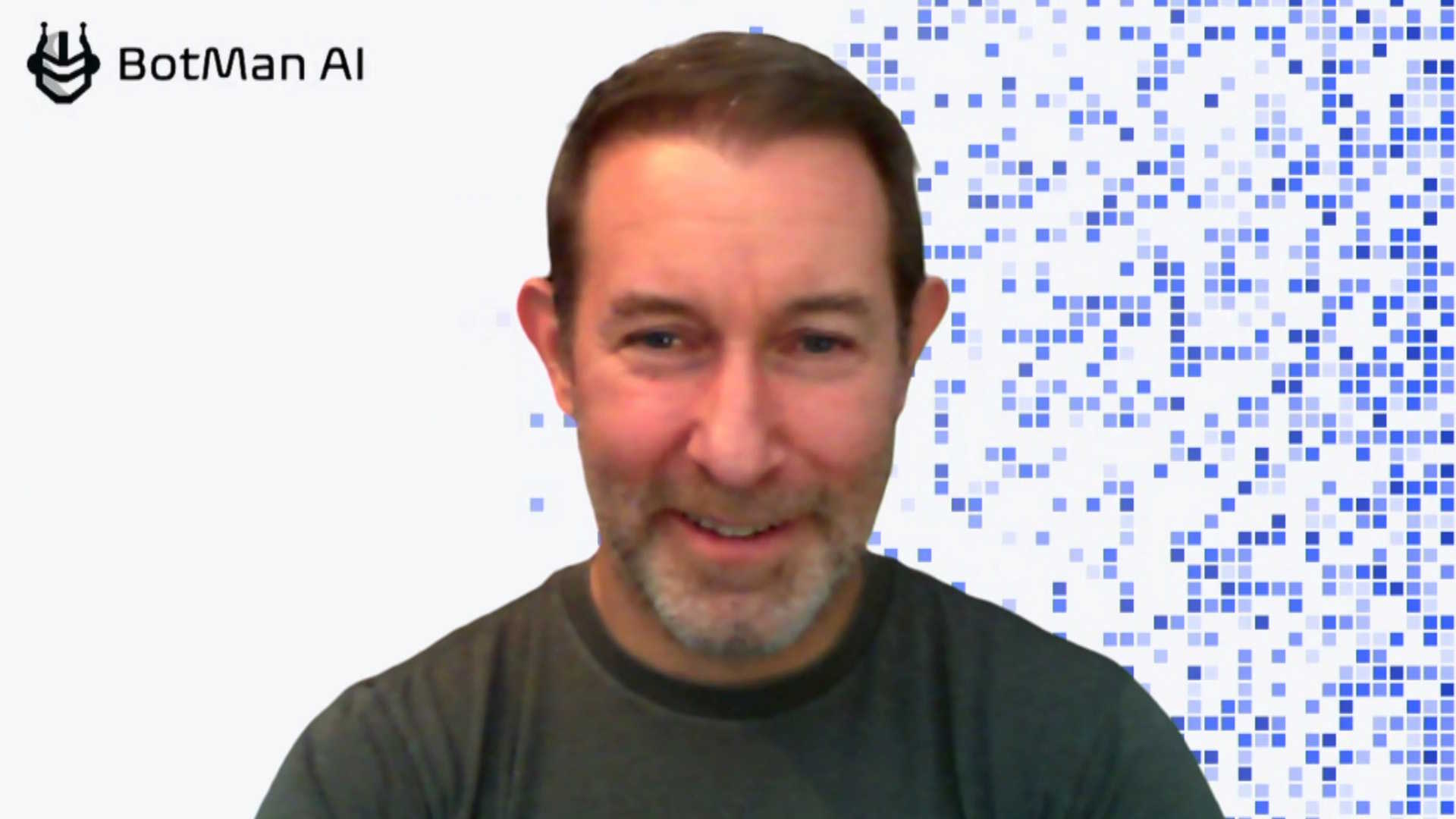
Legacy modernization requires understanding how an application’s code, data and business rules fit together before rebuilding it. BotMan AI uses an AI-powered migration pipeline that maps an application’s dependencies, business logic and data models in a knowledge graph. That context helps agents interpret the system they are rebuilding, according to Alejandro D’Andrea (pictured), founder and […]
The post BotMan AI uses knowledge graphs for legacy modernization appeared first on SiliconANGLE.