UpTrajectory Review
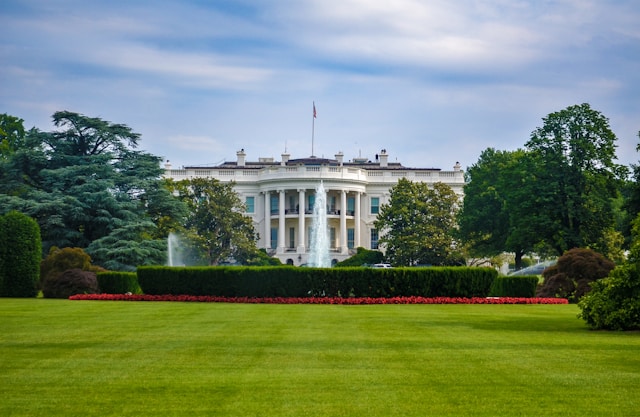
The recent meeting between the White House and representatives from top artificial intelligence companies marks a significant step in the ongoing dialogue about AI safety. The discussions focused on establishing a safety framework that would allow the government to review advanced AI models before they are launched. However, the lack of transparency surrounding these talks raises concerns about accountability and public trust in the regulatory process. Small business operators, particularly those in tech and innovation sectors, should be aware that the outcomes of these discussions could shape the landscape of AI development and deployment in the near future.
For small business owners, especially those leveraging AI technologies, the implications of a government safety framework are profound. If implemented, such regulations could dictate how AI products are developed, tested, and brought to market. This could mean increased compliance costs and longer timelines for product launches, potentially stifling innovation. Conversely, a robust safety framework could enhance consumer confidence in AI technologies, leading to greater adoption and market growth. Understanding these dynamics is crucial for small businesses that rely on AI to stay competitive.
The private nature of these discussions is particularly noteworthy. While the intention behind creating a safety framework is commendable, the lack of public discourse raises questions about who gets to shape these regulations. Are the voices of smaller AI startups being heard, or are the discussions dominated by larger corporations? This could lead to a regulatory environment that favors established players, making it harder for smaller businesses to compete. The balance between safety and innovation is delicate, and the current approach may not adequately address the needs of all stakeholders.
The downstream effects of a government-mandated AI safety framework could be significant. If larger firms are able to navigate the regulatory landscape more easily than smaller competitors, we may see a consolidation of power within the AI industry. This could limit diversity in AI solutions and reduce the overall competitiveness of the market. Additionally, the costs associated with compliance could disproportionately impact smaller businesses, potentially leading to fewer players in the field and less innovation overall. Stakeholders should consider how to advocate for a framework that supports a diverse range of AI developers.
Looking ahead, small business operators should keep a close eye on the developments stemming from these private talks. Engaging in advocacy for transparency and inclusivity in the regulatory process will be crucial. Businesses can also prepare by assessing their own AI practices and ensuring they align with potential future regulations. Staying informed and proactive will be key to navigating the evolving landscape of AI safety and regulation.
Takeaway: Stay informed about AI safety regulations and advocate for transparency to protect small business interests.
Excerpt from the original — SiliconAngle
The White House met with representatives from leading artificial intelligence companies today to discuss a safety framework for the government to review frontier models prior to launch, although there’s no plan as yet to make the details public fare. The Trump administration teamed up with executives from a number of firms that included Anthropic PBC, […]
The post White House, AI firms keep safety framework talks private appeared first on SiliconANGLE.