UpTrajectory Review
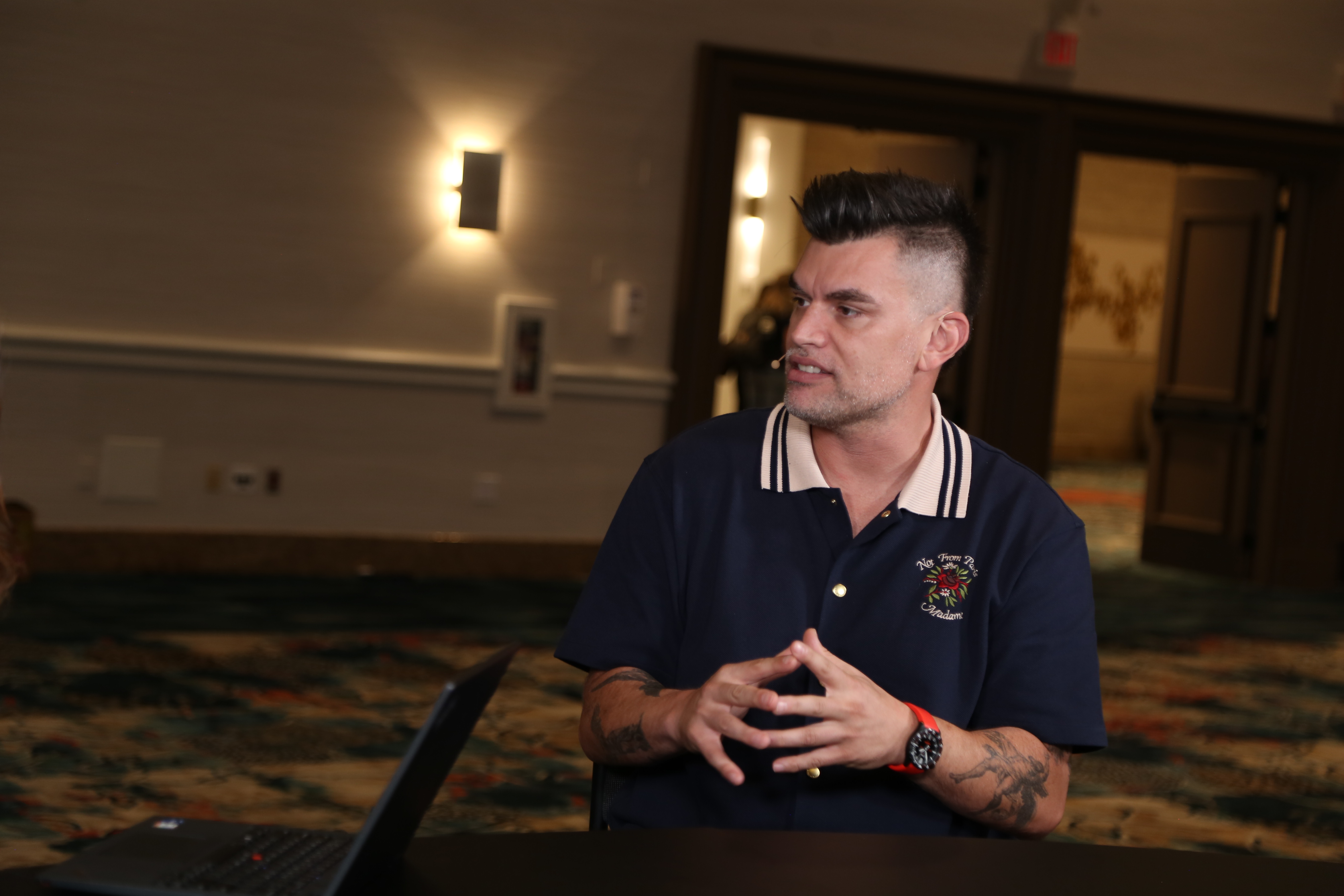
In a recent keynote at Black Hat USA, David Weston from Microsoft highlighted a significant shift in cybersecurity driven by advancements in artificial intelligence. He argued that AI is transforming the landscape by making offensive capabilities more accessible, thereby increasing the number of vulnerabilities that can be exploited. This shift necessitates a move away from traditional reactive measures, such as patching, towards a more proactive approach focused on building fundamentally safer software from the ground up. This change is crucial for small business operators who often lack the resources to respond effectively to an increasing number of threats.
For small business owners, the implications of this shift are profound. Many businesses operate under the assumption that they can patch vulnerabilities as they arise, but with AI making offensive tactics cheaper and more widespread, this reactive strategy may no longer suffice. Instead, businesses must prioritize investing in secure software development practices and consider integrating AI-driven security solutions that can preemptively identify and mitigate risks. This proactive stance can help safeguard sensitive data and maintain customer trust, which is essential for long-term success.
What is particularly noteworthy in Weston’s address is the urgency with which he presents the need for a paradigm shift in cybersecurity. The traditional model of waiting for vulnerabilities to be discovered and patched is becoming obsolete. Instead, the focus must now be on embedding security into the software development lifecycle. This perspective challenges the status quo and raises questions about the readiness of many small businesses to adapt to these new expectations. Are they equipped to invest in the necessary training and tools to build secure software?
The downstream effects of this shift could be significant. Companies that fail to adapt may find themselves increasingly vulnerable to cyberattacks, which can lead to financial losses, reputational damage, and legal repercussions. Conversely, businesses that embrace this new approach may gain a competitive edge by demonstrating their commitment to security. Additionally, as the demand for secure software rises, there could be a surge in job opportunities within the cybersecurity sector, benefiting those who are prepared to pivot their skills towards these emerging needs.
Looking ahead, small business operators should actively seek out resources and training that focus on secure software development practices. Engaging with cybersecurity experts and investing in AI-driven security tools can provide a robust defense against the evolving threat landscape. Furthermore, staying informed about the latest trends in AI and cybersecurity will be crucial for making strategic decisions that protect their businesses in the long run.
“AI is ending the era of scarce vulnerabilities, making powerful offensive capabilities abundant.” — SiliconAngle
Takeaway: Invest in secure software development practices to stay ahead of evolving cybersecurity threats.
Excerpt from the original — SiliconAngle
AI is ending the era of scarce vulnerabilities, making powerful offensive capabilities abundant and forcing cybersecurity teams to move beyond reactive patching toward fundamentally safer software construction. That reality was the core of a Black Hat USA keynote by David Weston (pictured), corporate vice president of AI security at Microsoft Corp., titled “The End of […]
The post Microsoft pushes safer software construction as AI makes offense cheap appeared first on SiliconANGLE.