UpTrajectory Review
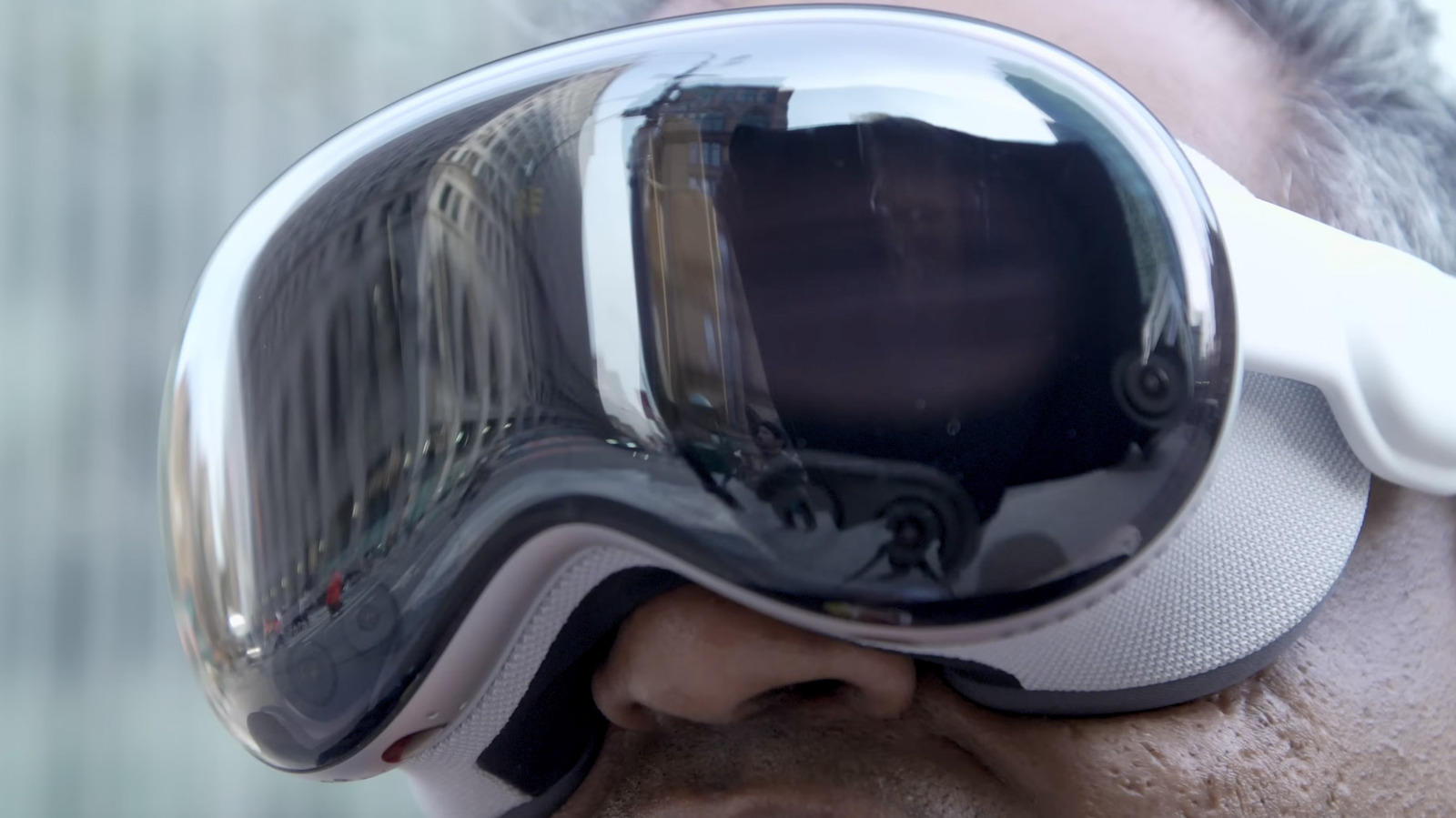
Apple is trimming staff from its Vision Pro headset division and its struggling Siri voice assistant team, redirecting those resources toward two bets: smart glasses that blend digital overlays with the physical world, and generative AI systems that can actually hold a conversation. This is not a retreat from hardware but a recalibration. The Vision Pro, launched in 2024 at $3,499, never found a market beyond developers and wealthy early adopters. Siri, meanwhile, has become an embarrassment for a company that built its brand on polished user experiences, consistently trailing Amazon's Alexa and Google Assistant in comprehension and utility. Apple's reorganization signals that even the world's most valuable company can misread adoption curves and must cut losses to chase fresher opportunities.
For small-business operators, this matters because Apple's choices reshape the ecosystem you likely depend upon. If you have built workflows around Siri Shortcuts for inventory checks, appointment scheduling, or hands-free note-taking, recognize that Apple's investment in that platform is now suspect. The company is not abandoning Siri entirely, but talent and executive attention are migrating toward AI architectures that may not honor your existing automations. More broadly, Apple's pivot validates a pattern small businesses have already felt: the major platforms change direction abruptly, and your sunk costs in their ecosystems do not buy you stability. When Apple kills or starves a product line, third-party developers flee, documentation atrophies, and your integration breaks silently.
What is genuinely new here is the specificity of the smart glasses bet. Apple is not merely copying Meta's Ray-Ban collaboration; it appears to be aiming for a lighter, more ambient device than the Vision Pro's isolating headset format. This suggests Apple believes the future of wearable computing is social, not immersive—glances rather than escapes. We are skeptical that any smart glasses product will achieve mainstream adoption before 2027, given persistent barriers: battery life, prescription lens compatibility, privacy backlash from always-on cameras, and the fundamental social awkwardness of face-worn computers. Apple's track record of entering categories late and refining them is real, but the category itself may remain niche.
The downstream effects split unevenly across industries. Retailers and restaurants should watch whether Apple's glasses include point-of-sale or inventory-scanning capabilities that could displace current handheld devices. Professional services firms—lawyers, accountants, consultants—may find that AI-first voice interfaces finally become reliable enough to replace transcription services and manual CRM entry, but only if Apple's new AI architecture interoperates with Microsoft and Google platforms you already use. The cost of misalignment is real: businesses that invested in Vision Pro development kits or custom AR training modules now hold depreciating assets. Conversely, developers who stayed away from Apple's ARKit may be vindicated, though they too must now gamble on whether the smart glasses API will prove more durable than its predecessor.
Watch three developments through late 2025. First, whether Apple's June WWDC announces Siri's successor as a unified AI assistant or maintains parallel, confusing brands. Second, whether any smart glasses product ships before Meta's next generation, which would signal Apple's confidence or haste. Third, how aggressively Apple courts enterprise developers, since small-business adoption typically follows enterprise validation. What you can do now: audit your Siri-dependent workflows and identify migration paths to platform-agnostic tools; treat any single-platform AI investment as experimental, not foundational; and pressure your software vendors on their multi-platform roadmaps. Apple's pivot is a reminder that in technology, loyalty is not reciprocated.
The larger pattern is that Big Tech's workforce choreography now moves faster than most small businesses can absorb. Apple's cuts follow similar AI reallocations at Google, Microsoft, and Meta. Each shift creates stranded tooling, orphaned skills, and renewed pressure to rent rather than own your technological infrastructure. The operators who thrive will be those who treat platform announcements as weather reports, not marching orders—observing, diversifying, and moving only when customer value justifies the disruption.
Takeaway: Audit your Siri-dependent workflows now and demand multi-platform roadmaps from vendors before betting on any single tech giant's AI direction.
Excerpt from the original — Engadget
Apple has laid off employees in its Vision Pro and Siri teams as it shifts focus to smart glasses and next-gen AI tech.