UpTrajectory Review
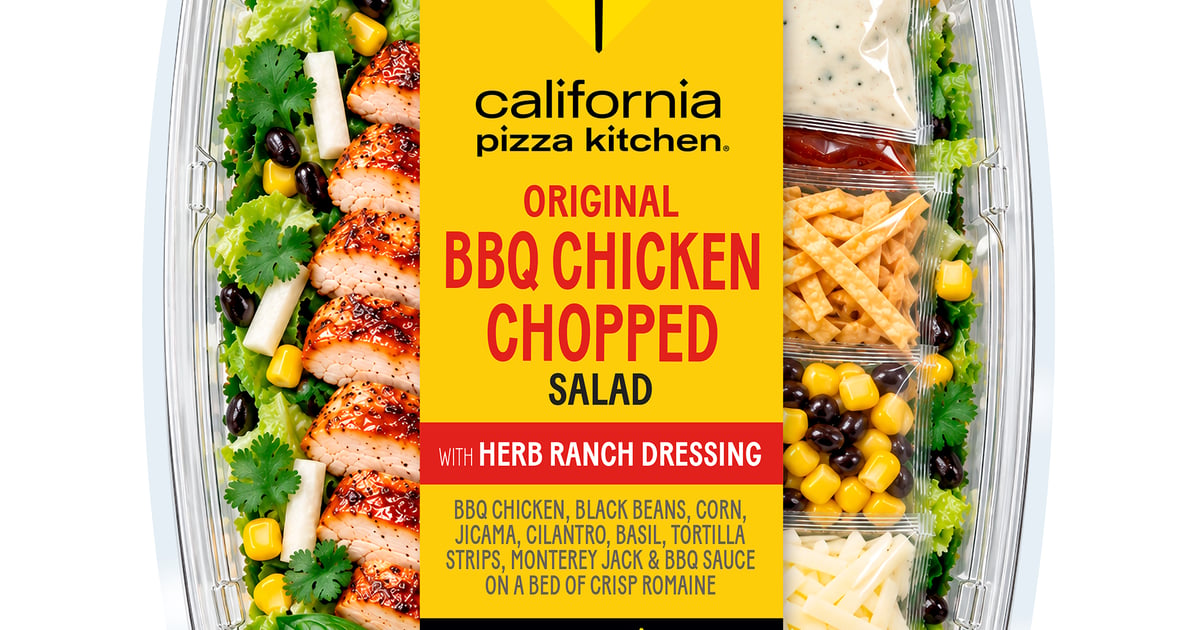
California Pizza Kitchen, a chain that built its name on sit-down casual dining and a signature BBQ chicken pizza, is now putting its brand on bagged salad kits and ready-to-eat salads in grocery stores. The move is part of a broader retail licensing push done in partnership with FiveStar Gourmet Foods, a California-based manufacturer that already produces fresh prepared foods for retailers. The source text is thin, but the strategy it signals is well established in the restaurant world: when dining-room traffic is unreliable, the grocery aisle becomes a second revenue stream, and a brand with national recognition can rent out its name to a company that already knows how to manufacture, distribute, and shelf-stable the product.
For a small-business operator, this is worth watching because it illustrates how mid-size chains are hedging against the same pressures independents face: rising labor costs, uneven foot traffic, and consumers who still want restaurant-quality food but are eating more of it at home. CPK is not alone. Chili's sells salad dressings and frozen meals, TGI Fridays has a whole line of retail products, and even Panera has pushed into grocery through its grocery line. The lesson is not that every restaurant should rush into retail, but that the boundary between restaurant and packaged food brand is blurring, and operators who ignore that shift may find their competitors showing up in the supermarket aisle where they never expected to compete.
What is genuinely new here is the partner choice. FiveStar Gourmet Foods is not a generic licensing house; it is a fresh-food manufacturer with deep relationships with grocery retailers, which suggests CPK is aiming for the refrigerated produce section, not just the condiment aisle. That is a more operationally complex and perishable business than slapping a logo on a bottle of dressing, and it signals confidence that the CPK brand can carry premium pricing in a category where consumers are already conditioned to pay four to eight dollars for a bag of salad. We are somewhat skeptical that a pizza brand can win in salad, a category already crowded with Taylor Farms, Fresh Express, and store brands, but CPK's California health-conscious positioning gives it a plausible angle.
The second-order effects matter for both consumers and competitors. For grocery retailers, another restaurant-branded line means more shelf competition and likely slotting fees, which squeeze out smaller regional brands that cannot afford the same placement. For CPK franchisees, the retail push could be a double-edged sword: it builds brand awareness, but if a consumer can buy a CPK-branded Caesar salad for five dollars at the supermarket, does that make them more or less likely to visit the restaurant for a fifteen-dollar version? The economics of licensing deals usually mean the restaurant company collects a royalty without bearing manufacturing risk, so the upside is real, but the brand-dilution risk lands on the operators who run the actual dining rooms.
What to watch next is whether this line actually shows up in your local grocery store and how it is priced and merchandised. If CPK salads land in the premium refrigerated section with strong placement, that validates the strategy and will likely trigger copycat moves from other casual chains. If the products end up buried or discounted quickly, it will be a reminder that retail is not a guaranteed lifeline for restaurant brands. For operators, the actionable takeaway is to pay attention to how your own brand could translate to packaged goods, even at a small scale, whether that is a signature sauce sold at the register or a local grocery partnership. The infrastructure for restaurant-to-retail has never been more accessible, and the chains that figure it out first will own the shelf space.
“The salad kits and ready-to-eat salads are part of a larger push into retail for the pizza chain in partnership with FiveStar Gourmet Foods.” — Nation's Restaurant News
Takeaway: Restaurant brands are becoming grocery brands; if your concept has a signature flavor, explore retail licensing before a chain competitor claims your shelf space.
Excerpt from the original — Nation's Restaurant News
The salad kits and ready-to-eat salads are part of a larger push into retail for the pizza chain in partnership with FiveStar Gourmet Foods.