UpTrajectory Review
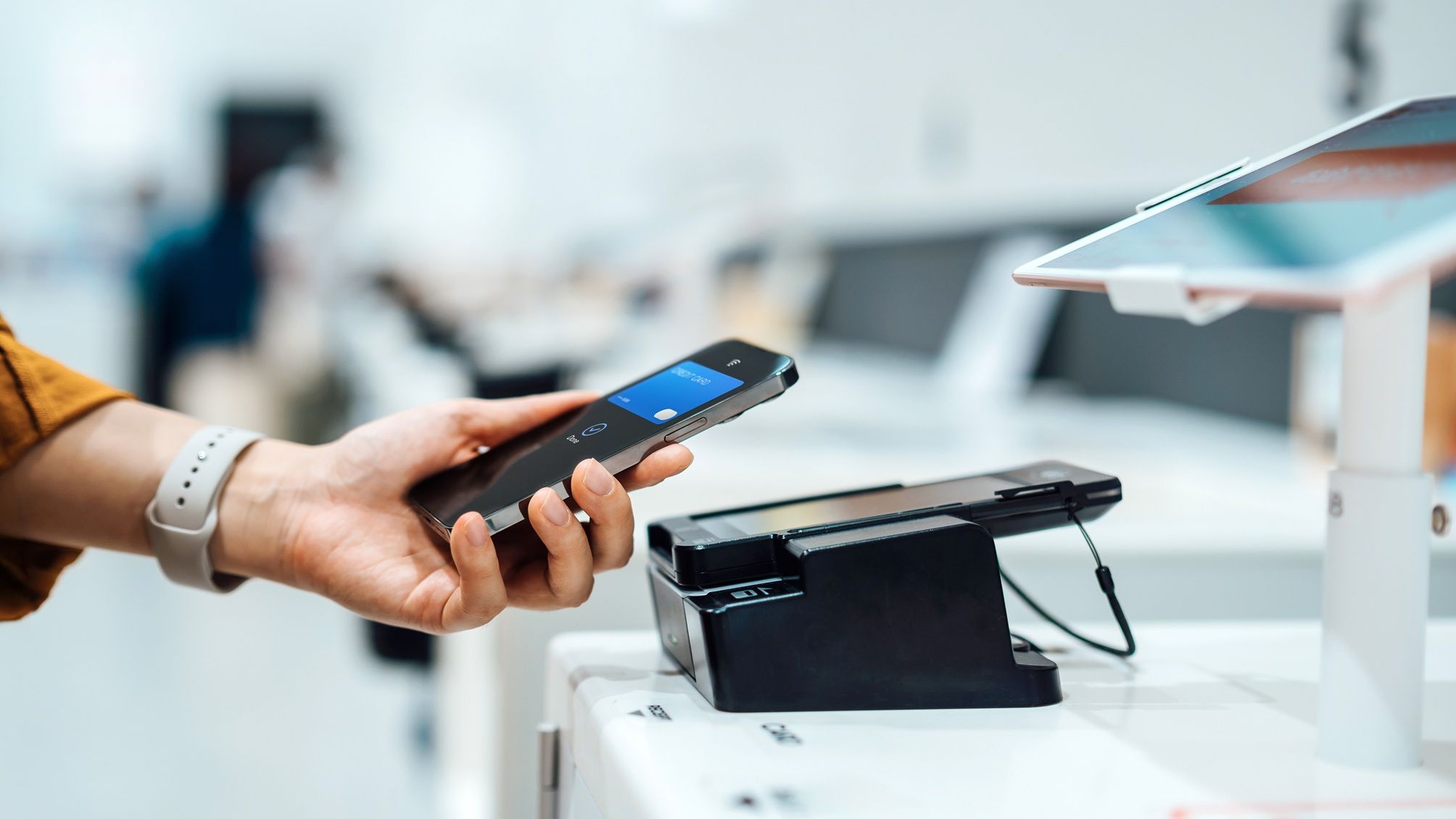
The Kiplinger article explores the evolution of digital payments and their psychological impact on consumer spending. As cash transactions have largely been replaced by electronic methods—like credit cards, mobile payments, and Buy Now, Pay Later options—the way we perceive and manage our finances has shifted dramatically. The piece highlights how the tactile experience of cash, which once provided a tangible sense of loss when spending, has been diminished in the digital realm, leading to potentially reckless financial behavior.
For small business operators, understanding this shift is crucial. The ease of digital payments can lead to increased sales, but it also means that customers may spend more impulsively. This could affect pricing strategies, inventory management, and customer engagement tactics. Businesses need to be aware that while digital payments can streamline transactions, they may also contribute to a culture of overspending among consumers, which could impact their purchasing decisions and loyalty.
The article raises important points about the psychological effects of cashless transactions, but it could delve deeper into the implications for small businesses. While it mentions the loss of 'guardrails' that cash provided, it doesn't fully explore how businesses can adapt to this change. For instance, are there strategies that can help consumers feel more connected to their spending, even in a digital format? This is an area ripe for exploration, as businesses could benefit from understanding how to mitigate the risks of impulsive spending.
The downstream effects of this shift are significant. Consumers may find themselves in debt due to the ease of digital payments, which could lead to a decrease in discretionary spending over time. This, in turn, could affect small businesses that rely on that discretionary income. Additionally, businesses that do not adapt to the digital payment landscape may find themselves at a competitive disadvantage, as consumers increasingly favor convenience over traditional payment methods.
Looking ahead, small business owners should consider how they can incorporate financial education into their customer interactions. This could involve offering tips on budgeting or promoting responsible spending habits alongside their digital payment options. Additionally, monitoring customer spending patterns could provide valuable insights into how digital payments are affecting their business, allowing for more informed decision-making.
“As our spending has moved from bills and coins to cards and phones, we've lost some of those guardrails.” — Kiplinger
Takeaway: Consider integrating financial education into your business model to help customers manage their spending in a digital payment landscape.
Excerpt from the original — Kiplinger
Digital payments refer to any transactions where money moves electronically rather than in cash. That means credit and debit cards, online bank transfers, e-wallets and mobile payments, such as Apple Pay and Google Pay, as well as Buy Now, Pay Later (BNPL) plans.Charge cards emerged in the 1950s, followed by mass‑market credit cards in the 1960s and 1970s, and e-commerce in the late 1990s. But cashless payments have become standard over the past decade, since smartphones and contactless cards turned payments into taps.Here's the problem: When the way we pay changes, the way we think about spending changes, too. And that shift can affect our budgets and long-term financial goals. The psychology behind spending For decades, paying with cash created a natural pause. You took out your wallet, counted bills, felt them leave your hand and saw the remaining stack of cash get thinner. That …