UpTrajectory Review
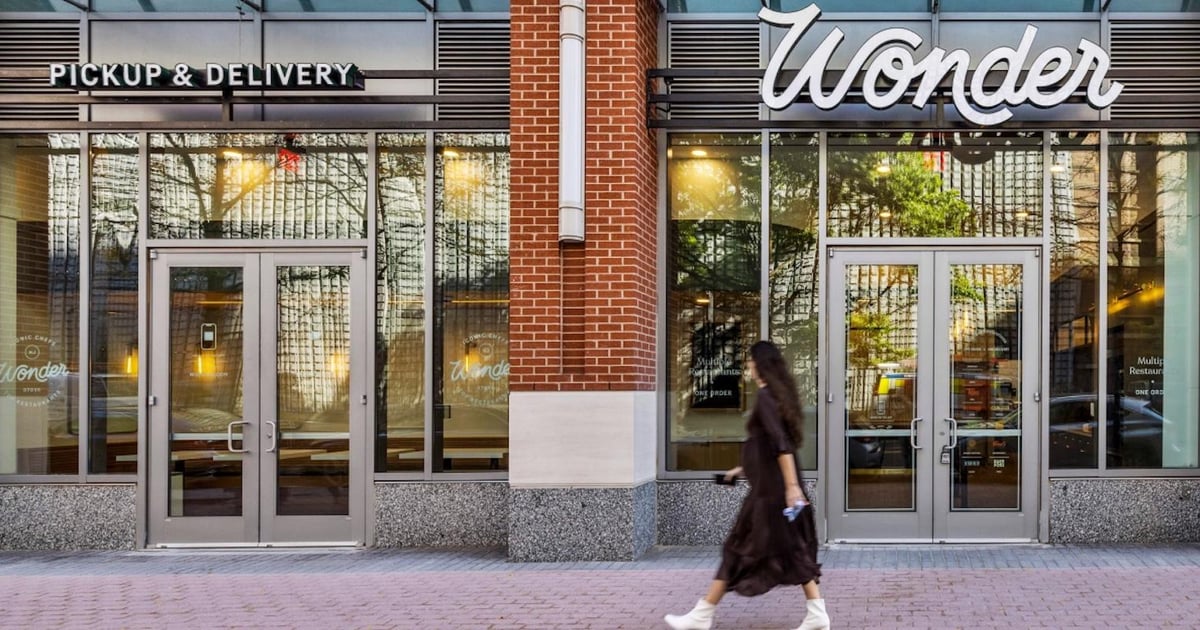
DoorDash is spending $425 million in two related deals that reshape how it thinks about food delivery beyond the front door. The company is investing $125 million in Wonder, the ghost-kitchen and fast-casual startup founded by Marc Lore, while simultaneously paying Wonder $300 million for Grubhub's campus dining business. This matters because Wonder acquired Grubhub itself just last year for $650 million—a transaction that already looked like Lore was buying his former e-commerce rival's assets at a distressed price. Now Wonder is flipping the campus piece to DoorDash at roughly half what it paid for the whole Grubhub operation, while keeping the core consumer delivery brand and taking DoorDash's money to fund expansion.
For small restaurant operators, this is a signal about where the delivery platforms are placing their next bets—and where they are not. DoorDash has clearly decided that campus dining, with its captive populations of students on meal plans and its institutional contract structures, is a better strategic fit than trying to compete with Wonder in the ghost-kitchen space. Campus dining operates on fundamentally different economics than consumer delivery: higher average tickets, predictable volume, lower marketing costs, and long-term contracts with universities rather than per-transaction commission battles with independent restaurants. If you're a local operator near a college campus, watch whether DoorDash starts pitching itself as your meal-plan technology partner rather than just your delivery app.
What deserves skepticism is Wonder's trajectory and DoorDash's willingness to fund a potential competitor. Lore's company has burned through enormous capital—reportedly over $1 billion in its various iterations—and the Grubhub campus sale suggests Wonder needed cash more than it needed that vertical. DoorDash's $125 million investment gives it a stake in Wonder's remaining operations, including the Grubhub consumer brand and Lore's physical fast-casual locations, which creates strange-bedfellow dynamics. The two companies will now be partners in some arenas and competitors in others. We are skeptical that this arrangement holds; partnership-investment structures this convoluted usually end with one party buying the other outright or walking away entirely.
The downstream effects split unevenly across the food-service landscape. University foodservice contractors like Aramark and Sodexo face a new technology-native competitor with DoorDash's scale and data capabilities. Small independent restaurants near campuses may find DoorDash more aggressive about exclusive arrangements or preferred-provider status within meal-plan ecosystems. For delivery drivers, campus routes offer density and shorter distances than suburban sprawl, which could pull labor away from conventional delivery zones if DoorDash prioritizes this vertical. And for Wonder's remaining investors, the Grubhub campus sale at this price validates little about the original acquisition thesis—Lore paid $650 million for Grubhub and has now sold a significant piece for $300 million while taking on new dilution to stay afloat.
Watch two developments in particular. First, whether DoorDash reports campus dining as a separate segment or buries it in existing numbers; separate reporting would signal genuine strategic commitment, while consolidation suggests a portfolio experiment. Second, whether Wonder's physical fast-casual locations—now funded partly by DoorDash—expand into markets where DoorDash has strong restaurant density, creating direct competition between the investment and the core platform. For operators, the actionable move is to understand your local university's dining contract renewal timeline and whether DoorDash is already pitching administrators. The campus meal plan of 2027 will likely look more like a delivery-app interface than a traditional cafeteria swipe card, and the window to influence that transition is narrowing.
The larger pattern here is platform fatigue with the pure consumer delivery model and a search for more defensible revenue streams. DoorDash's campus bet follows Uber's push into advertising and Instacart's grocery infrastructure plays. None of these platforms are confident that restaurant delivery margins will sustainably improve, so they are diversifying into adjacencies where they can extract value without fighting the same zero-sum commission war. For small restaurants, this means your delivery partner's attention is fragmenting—and your leverage in negotiations may shift depending on which vertical they are prioritizing in any given quarter.
Takeaway: Map your local university's dining contract renewal cycle; DoorDash is building campus meal-plan infrastructure that will reshape nearby restaurant access.
Excerpt from the original — Nation's Restaurant News
The delivery company is also acquiring Grubhub’s campus dining business from Wonder for $300 million.