UpTrajectory Review
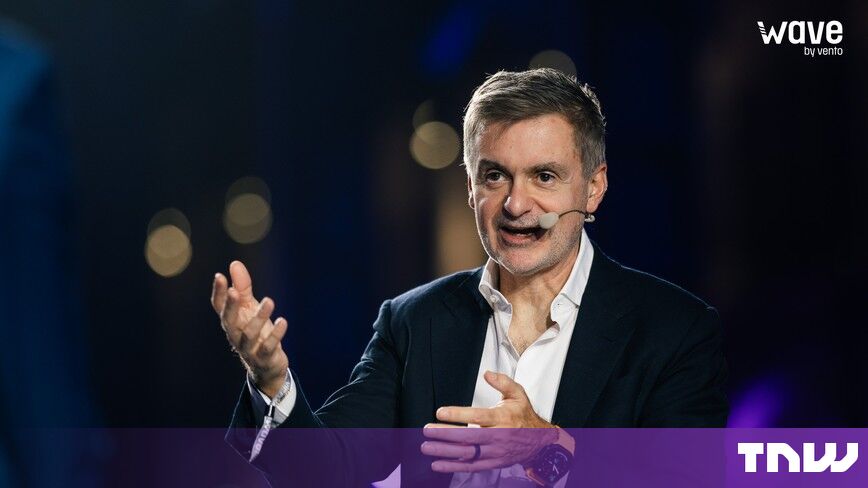
Goldman Sachs' CIO Marco Argenti has declared that the bank is now in a 'third phase' of AI adoption, where the goal shifts from cutting costs to generating revenue. Speaking at the Wave by Vento conference in Turin, Argenti framed this transition as fundamentally changing the role of software developers, elevating them from hands-on coders to 'managers of managers' who oversee AI agents rather than writing every line themselves. This is a significant signal from one of Wall Street's most technologically sophisticated institutions, suggesting that AI integration in enterprise software development has moved beyond the experimental phase into strategic restructuring of technical teams.
For small-business operators, this matters because Goldman Sachs often serves as a bellwether for enterprise technology trends that eventually cascade down to smaller organizations. If a major financial institution is restructuring its development teams around AI oversight rather than direct coding, similar expectations may soon arrive at smaller companies through vendor relationships, client demands, or competitive pressure. Business owners who outsource development work should pay attention to how their vendors are adapting to this shift, as it could affect both pricing models and the skill sets they are actually purchasing.
What is genuinely new here is the explicit framing of AI adoption in distinct phases with revenue generation as the end goal, rather than the cost-saving narrative that dominated earlier discussions. Argenti's 'managers of managers' metaphor suggests a hierarchical relationship between human developers and AI systems that goes beyond simple tool usage. However, we are somewhat skeptical of the timeline implications—while Goldman may be entering this phase, most organizations are still struggling with basic AI integration and governance. The gap between Goldman's capabilities and typical small-business reality remains substantial.
The second-order effects could be significant for the labor market and service providers. If developers at elite institutions are being repositioned as AI supervisors, this could eventually compress the market for entry-level coding work while increasing demand for professionals who can architect and manage AI systems. For small businesses, this might mean higher costs for sophisticated development work while basic implementation becomes cheaper and more accessible. There is also a risk that the 'manager of managers' model creates new dependencies on AI vendors and platforms that small businesses may not have the leverage to negotiate effectively.
Watch how other major financial institutions and technology companies describe their AI adoption phases in the coming months—if Argenti's framework becomes industry consensus, it will likely influence how software services are marketed and priced. Small-business operators should start conversations with their development partners about how AI is changing their delivery models and what skills will be most valuable in the next two to three years. Consider whether your own operations could benefit from treating AI tools as team members requiring oversight rather than as simple productivity enhancers, and evaluate whether your current technology partners are prepared for this shift.
“Goldman Sachs is entering a third phase of AI adoption, in which the goal moves from saving money to making it” — The Next Web
Takeaway: Goldman's shift to AI oversight roles signals that even elite developers will soon manage AI agents rather than code directly—prepare your vendor relationships for this transition.
Excerpt from the original — The Next Web
Goldman Sachs is entering a third phase of AI adoption, in which the goal moves from saving money to making it, the bank’s chief information officer Marco Argenti said. He spoke with Bloomberg anchor Tom Mackenzie at Wave by Vento in Turin on Friday, in a session titled “Mindset, not skillset”. “How do you make […]
This story continues at The Next Web …