UpTrajectory Review
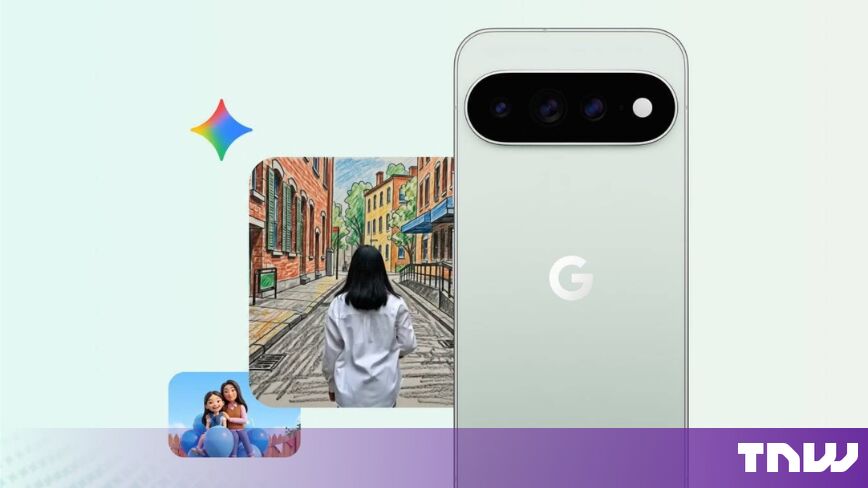
Google's Pixel 11 lineup represents a deliberate architectural bet: artificial intelligence woven directly into the operating system rather than siloed in a chatbot interface. The four models—standard, Pro, Pro XL, and Pro Fold—all run what Google calls Gemini Intelligence across applications, meaning the AI can act on your behalf inside multiple apps rather than merely answering questions in a dedicated window. The timing is intentionally aggressive. Apple is weeks away from shipping its own rebuilt Siri, which reportedly runs on Google's Gemini models, giving Google a brief window to define the category before its own technology powers a competitor's flagship experience.
For small-business operators, this matters in ways that go beyond gadget enthusiasm. The Pixel 11's cross-app AI capability suggests a genuine shift in how mobile work gets done—drafting emails that pull from calendar entries, generating expense reports from photographed receipts, or automating customer follow-ups without switching between six applications. But Rick Osterloh's candid admission about memory costs driving price increases introduces immediate budget friction. Businesses that standardized on Pixel hardware for field staff or issued devices to remote workers face a hardware refresh cycle where the same functionality now costs more, not because of premium materials but because AI models demand RAM that suppliers cannot produce cheaply enough.
What deserves scrutiny is Google's framing of this as inevitable rather than strategic. Memory shortages are real—the global DRAM market has been volatile—but Osterloh's confirmation positions Google as a passive victim of component economics rather than a company making premium-tier choices about on-device AI processing. The genuine novelty here is the integration depth: Gemini acting across apps is technically harder and potentially more useful than Apple's initially chatbot-centric approach. Yet Google has a history of launching ambitious AI features that degrade in quality or get deprioritized when they fail to drive search revenue. The skepticism should land on whether this cross-app capability will be maintained and expanded, or whether it becomes another Google feature that works beautifully in year one and stagnates.
The downstream effects split unevenly across business types. Companies with heavy mobile workflows—delivery services, inspection teams, sales organizations—gain plausible efficiency from reduced app-switching, but only if their core tools integrate with Gemini's APIs. Smaller operators without dedicated IT staff face the steeper learning curve of figuring out which workflows actually benefit versus which are demo-friendly but impractical. Meanwhile, the price increase hits differently at scale: a five-person team absorbing fifty dollars more per device feels different than a hundred-person rollout. Apple's impending Siri refresh, built on Google's own models, creates an odd competitive dynamic where Google's AI research effectively subsidizes a rival's marketing, potentially blurring the Pixel's differentiation before the holiday quarter.
Watch three developments specifically. First, whether third-party business applications—Slack, Salesforce, Square—receive meaningful Gemini integration or if Google prioritizes its own Workspace suite, which would limit utility for businesses not already embedded in Google's ecosystem. Second, how Apple positions its Siri launch relative to Pixel pricing; if Apple undercuts while using the same underlying models, Google's hardware premium becomes harder to justify. Third, whether memory costs ease in 2026, allowing Google to either cut prices or, more likely, absorb the margin rather than pass savings along. For operators considering a fleet purchase, the actionable move is delaying until post-Apple announcement in September, when both feature comparisons and potential Pixel promotional pricing should clarify whether the premium delivers operational return.
The larger question this launch raises is whether on-device AI becomes a genuine productivity layer or merely a faster way to accomplish tasks that were already possible. Google's integration approach has more structural ambition than competitors, but ambition without sustained execution has defined too many Pixel generations. Business buyers should treat the Pixel 11's AI claims as a pilot-worthy experiment rather than a proven infrastructure upgrade.
“Gemini Intelligence acting across apps rather than sitting in a chatbot” — The Next Web
Takeaway: Pilot Pixel 11's cross-app AI on one device before fleet rollout; Apple's September Siri launch likely reshapes pricing and feature comparisons.
Excerpt from the original — The Next Web
Google has launched the Pixel 11, 11 Pro, 11 Pro XL and 11 Pro Fold with Gemini Intelligence acting across apps rather than sitting in a chatbot. It arrives weeks before Apple ships a Siri rebuilt on Google’s own models, and devices chief Rick Osterloh confirmed the memory shortage will push Pixel prices up. Google […]
This story continues at The Next Web …