UpTrajectory Review
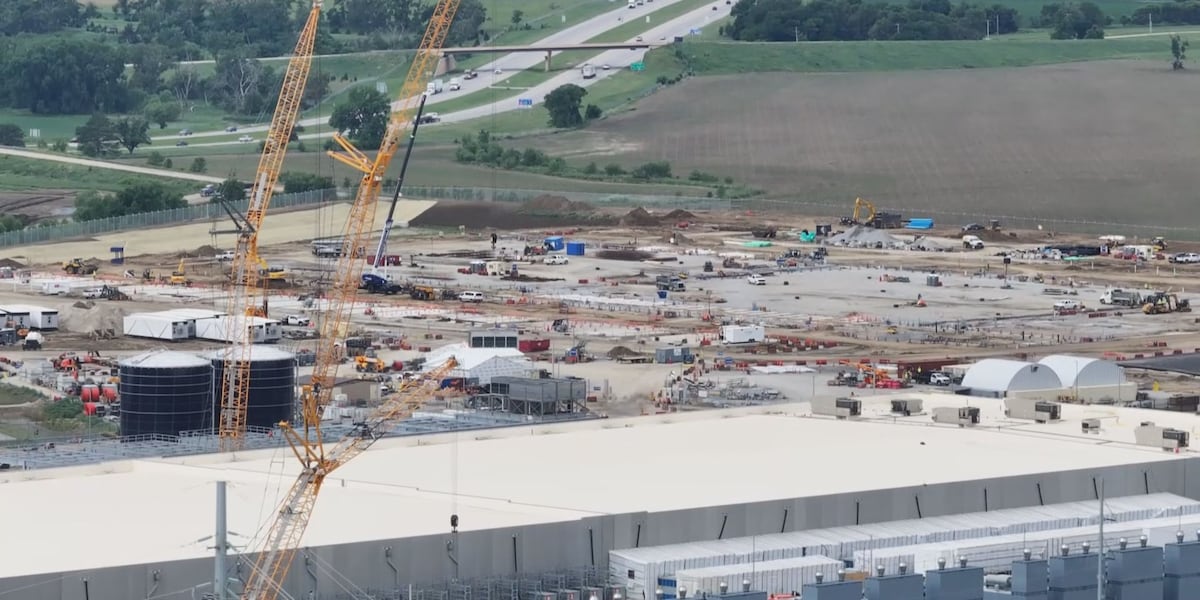
A local Nebraska news outlet is pressing Google for details about the resource consumption of its Lincoln data center, and coming away with what it characterizes as more questions than answers. The piece centers on water and electricity usage at the facility, which has become a flashpoint as data center construction accelerates across the Midwest. What makes this story worth attention is not any single revelation but the pattern it represents: municipalities are approving massive computing infrastructure with limited public disclosure about the strain it places on shared utility systems. The Hacker News traction, with several hundred comments, signals that this tension between tech expansion and local resource accountability is resonating well beyond Lincoln.
For small business owners, the stakes here are direct even if the facility itself feels remote. Data centers compete for the same grid capacity and water infrastructure that every other local business depends on. When a hyperscale facility comes online, it can drive up electricity rates, strain water treatment capacity during drought conditions, and shift utility planning priorities toward serving a single anchor tenant. If you operate in a market where Google, Amazon, Microsoft, or Meta is building or expanding, your operating costs and your community's resource resilience are affected whether or not you ever touch a server.
The genuinely contested element is transparency. Google and other hyperscalers typically cite competitive reasons for withholding detailed consumption figures, and there is some legitimacy to that position. But the lack of disclosure also prevents any meaningful public cost-benefit analysis. Are the tax incentives and job creation worth the utility burden? Without data, local officials and residents are negotiating blind. The skepticism on display in the Hacker News comments reflects a broader frustration that tech companies want the benefits of public infrastructure investment without the accountability that traditionally accompanies it.
The second-order effects cut in multiple directions. Communities that land data centers often see short-term construction employment and property tax revenue, but the long-term operational workforce is small relative to the facility's footprint. Water usage is particularly acute in the Great Plains, where aquifer depletion is already a concern for agriculture. Meanwhile, small businesses in these markets face a paradox: they benefit from proximity to cloud infrastructure and potentially faster connectivity, but they also absorb the externalized costs through utility rates and resource competition. The distribution of benefits and burdens is uneven, and right now the burden side is largely invisible.
What to watch is whether local journalism like this forces any meaningful disclosure norms. Some states and municipalities are beginning to require resource reporting as a condition of approval, and that trend could accelerate if public pressure builds. For operators, the practical move is to pay attention to utility commission dockets and city council agendas in your market. Rate cases tied to data center service agreements are where the real costs surface. If your community is courting a hyperscale facility, ask your local officials what consumption guarantees and rate protections are in place before the deal is done.
Takeaway: If a hyperscale data center is planned near your market, monitor local utility dockets and demand disclosure before approval, because your rates and water supply are on the table.
Excerpt from the original — Hacker News (front page)
Article URL: https://www.1011now.com/2026/09/30/more-questions-than-answers-about-lincolns-google-data-center-water-electricity-usage/
Comments URL: https://news.ycombinator.com/item?id=49957068
Points: 338
# Comments: 450