UpTrajectory Review
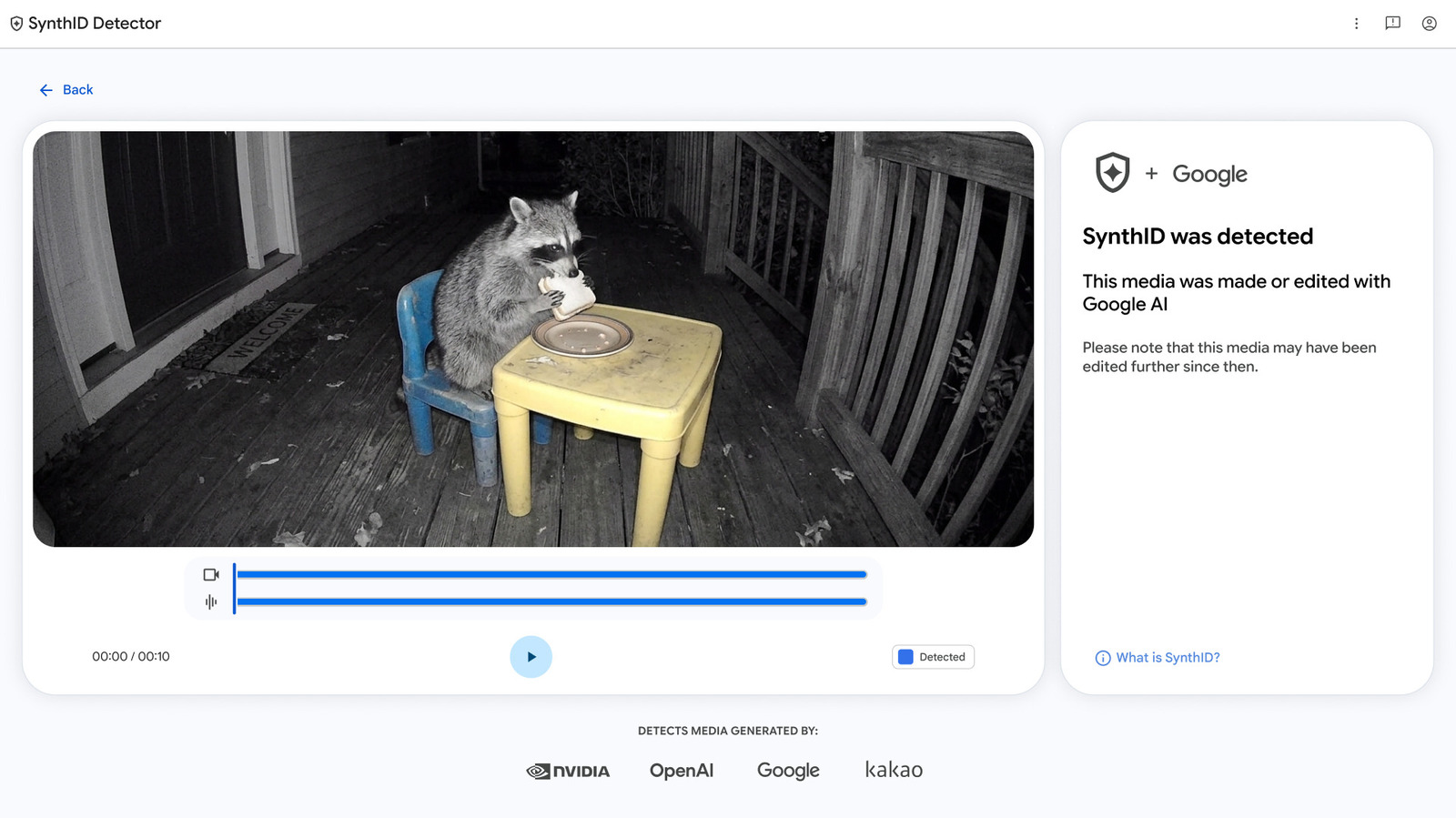
Google has rolled out SynthID Detector, a free tool that identifies whether text, images, audio, or video was generated by AI. The detector reads watermarking signals embedded by major AI systems, including Google's own Gemini, OpenAI's image tools, and Apple's Image Playground. This is not a content-moderation service or a plagiarism checker; it is a technical verification layer that looks for invisible signatures baked into the output itself. For small-business operators who have been handed marketing copy, freelance design work, or contractor deliverables with no easy way to confirm their origin, this removes a long-standing blind spot. The tool is available through Google Labs and requires no enterprise contract or paid subscription.
The immediate use case is procurement and quality control. A restaurant owner commissioning menu photography, a retailer outsourcing product descriptions, or a clinic reviewing a freelancer's blog drafts can now run a quick check before publishing or paying. That matters because AI-generated content carries risks that are easy to underestimate: search engines increasingly deprioritize unoriginal text, stock-image platforms reject synthetic media, and customers who feel deceived by undisclosed AI use do not return. Until now, verification required either trusting the vendor or paying for third-party detection services with uneven accuracy. A free, cross-platform detector lowers the cost of due diligence to nearly zero.
What is genuinely new here is the cross-vendor scope. Most detection tools are built to catch one company's output or rely on statistical guesswork about writing style. SynthID is different because it reads actual watermark signals embedded at the moment of creation, not patterns inferred after the fact. That makes it harder to evade and less prone to false accusations against human writers. That said, we are skeptical of treating any detector as definitive. Watermarking is not yet universal, content that has been heavily edited or run through multiple tools may lose its signal, and the tool tells you nothing about copyright status, factual accuracy, or whether disclosure is legally required in your jurisdiction.
The second-order effects cut in both directions. Honest freelancers and agencies benefit because they can now prove their work is human-made, which is a marketable distinction. Operators who have quietly relied on AI to pad deliverables will find that harder to sustain. There is also a downstream cost worth noting: if detection becomes routine, the premium for verifiably human creative work likely rises, which affects budgeting for marketing and design. Conversely, the tool may accelerate a race between watermarking and stripping tools, meaning today's reliable signal could degrade over time. Small businesses should not build compliance workflows that assume permanent accuracy.
Watch two things in the coming months: whether OpenAI, Anthropic, and other major labs expand their own watermarking to remain compatible with detection standards, and whether regulators begin referencing watermark verification in AI-disclosure rules. In the meantime, the practical move is simple. If you outsource content of any kind, run it through SynthID Detector before acceptance. If you use AI tools yourself, disclose it in your deliverables and contracts rather than waiting to be caught. The tool is free, the check takes seconds, and the reputational cost of being wrong is not.
“SynthID Detector will flag content created with AI tools from OpenAI, Google, Apple and other companies.” — Engadget
Takeaway: Run contractor and freelance deliverables through SynthID Detector before accepting them; free AI verification is now table stakes for content procurement.
Excerpt from the original — Engadget
SynthID Detector will flag content created with AI tools from OpenAI, Google, Apple and other companies.