UpTrajectory Review
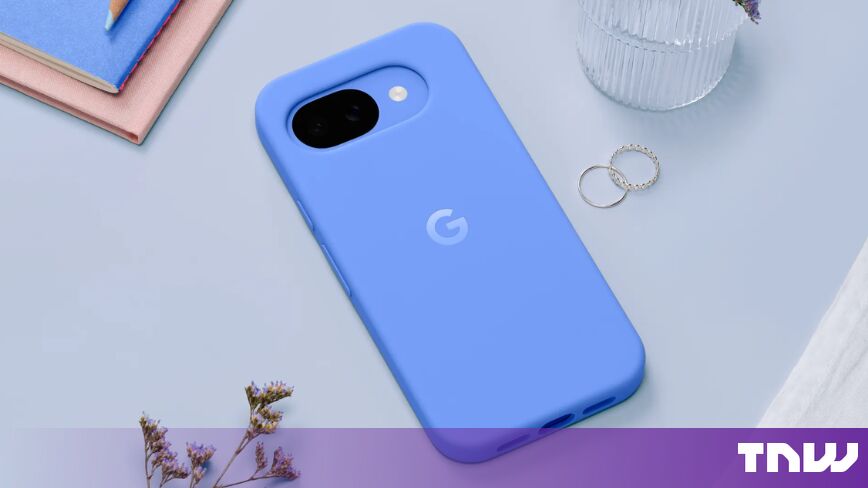
Google has quietly raised the price of its Pixel 10a from $499 to $599 — a 20% jump, seven months after the phone launched, with zero changes to the device itself. The company is pointing straight at memory costs: its own vice president says the price of DRAM has climbed from $2.80 per gigabyte to $12. That is a more than fourfold increase in a single component category, and it is rippling outward fast. Apple and Samsung have both repriced existing phones within the past month, which means this is not one company making an opportunistic move. It is a sector-wide correction, and Google simply happens to be the most transparent about the reason.
For a small-business operator, the obvious question is: why does a phone price hike matter to me? The answer is that memory is not just in phones. The same DRAM shortage driving Google's repricing is pushing up the cost of laptops, servers, networking gear, and point-of-sale hardware — the equipment most small businesses buy on two-to-three-year replacement cycles. If you were planning a hardware refresh this year, the budget you set twelve months ago is probably too low. This is the kind of cost pressure that does not show up in a single invoice but erodes margins across every line item that involves a chip.
What is genuinely notable here is the candor. Google could have buried the increase in a new colorway or a minor spec bump. Instead, it left the phone identical and said, in effect, memory got expensive so the price went up. That is unusual for consumer electronics, where list prices are typically treated as fixed for a product's shelf life. The skepticism we would apply: Google is also a company that can absorb component volatility far better than its competitors, and $100 on a $499 device is a steep pass-through. The memory-cost explanation is real, but it may also be a convenient cover for a margin reset the company wanted anyway.
The downstream effects split the market in interesting ways. Consumers who waited for a discount are now facing a higher floor price, which could suppress upgrade cycles and push buyers toward refurbished or mid-tier alternatives. For businesses, the more consequential shift is behavioral: if Apple, Samsung, and Google are all repricing mid-cycle, the old assumption that waiting six months gets you a cheaper device is breaking down. That changes procurement timing. If your business needs hardware, buying sooner rather than later may actually be the cost-effective move, which is the opposite of conventional wisdom and the opposite of what most operators have been trained to do.
The open question Google has not answered is whether European and other international markets will see the same increase, and whether this is a one-time adjustment or the beginning of rolling repricing as memory contracts reset. Watch for other manufacturers — particularly Chinese brands like Xiaomi and OnePlus that compete directly with the Pixel 10a on price — to either follow suit or hold pricing as a competitive wedge. If they hold, Google and Samsung will look like they are padding margins. If they raise prices too, the shortage is confirmed as structural. Either way, operators should treat 2026 hardware budgets as soft estimates, not fixed numbers, and lock in supplier quotes early rather than assuming prices will hold.
The practical move this week: audit your hardware replacement schedule, get current quotes on any equipment you planned to buy in the next two quarters, and if the numbers look stable, consider pulling purchases forward. The era of predictable, declining tech prices is pausing. Businesses that treat hardware costs as volatile — like fuel or freight — will navigate this better than those still working from last year's assumptions.
“Google raised the Pixel 10a from $499 to $599 seven months after launch, with no change to the phone, blaming memory costs that its own vice president said had risen from $2.80 per gigabyte to $12.” — The Next Web
Takeaway: Memory costs are repricing hardware across the board — pull forward planned equipment purchases and treat 2026 hardware budgets as estimates, not fixed numbers.
Excerpt from the original — The Next Web
Google raised the Pixel 10a from $499 to $599 seven months after launch, with no change to the phone, blaming memory costs that its own vice president said had risen from $2.80 per gigabyte to $12. Apple and Samsung have both repriced existing phones in the past month, and Google has not said whether European […]
This story continues at The Next Web …