UpTrajectory Review
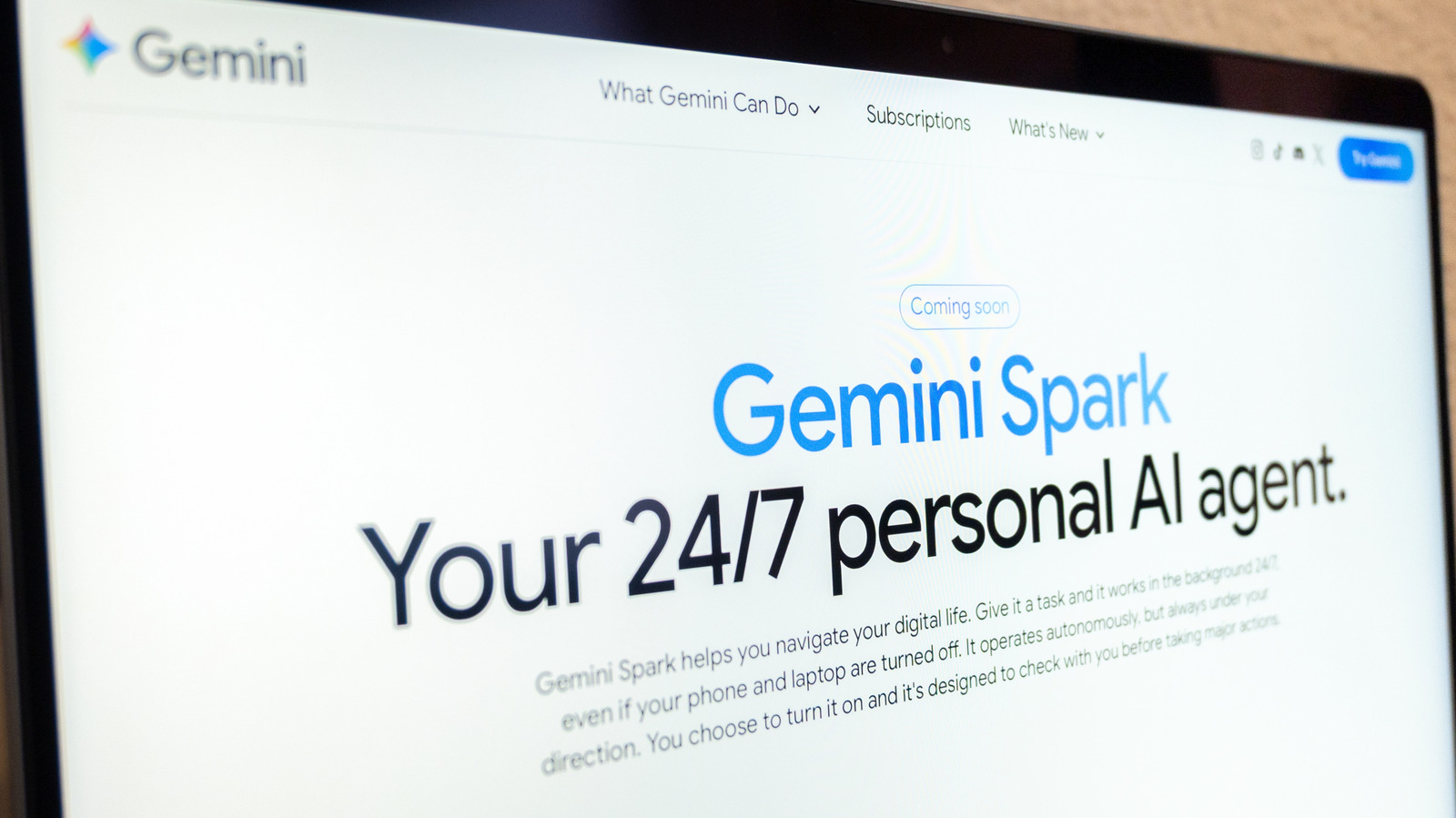
Engadget's guide introduces Spark, Google's AI agent that can perform tasks on your behalf, and explains how small business owners can use it to automate routine work. The available text is brief, but the headline and description signal a practical walkthrough of delegating tasks like scheduling, email management, and administrative follow-ups to Google's AI rather than handling them manually.
For small business operators drowning in operational minutiae, this matters because task automation has historically required technical expertise or expensive dedicated tools. If Spark delivers on its promise of executing tasks autonomously through natural language instructions, it lowers the barrier significantly. A solo founder or small team could reclaim hours currently spent on coordination and repetitive admin work.
What's genuinely new here is the shift from AI as assistant to AI as actor. Most business AI tools suggest or draft; Spark claims to actually do. That's a meaningful escalation, though we're skeptical of reliability claims until independent testing confirms Spark handles edge cases, permissions, and errors gracefully. The 'on your behalf' framing raises questions about oversight, audit trails, and what happens when the AI misinterprets a request with real consequences.
Second-order effects cut both ways. Businesses that adopt early may gain competitive advantage in responsiveness and cost structure, but they'll also need new workflows for reviewing AI actions and managing exceptions. Employees whose work consists largely of schedulable tasks face displacement pressure. And Google's entry likely pressures smaller automation startups, potentially consolidating business tool dependence further into Google's ecosystem with attendant data and pricing risks.
Watch for real-world case studies demonstrating Spark's accuracy on complex, multi-step business tasks—not just demos. Test it yourself on low-stakes workflows first, and establish clear review protocols before granting autonomous access to customer communications or financial operations. The productivity promise is real, but so is the need for operational guardrails.
Takeaway: Test Spark on low-stakes tasks first, then build review protocols before trusting it with customer-facing or financial work.
Excerpt from the original — Engadget
Spark is Google's AI tool that can perform tasks on your behalf.