
UpTrajectory Review
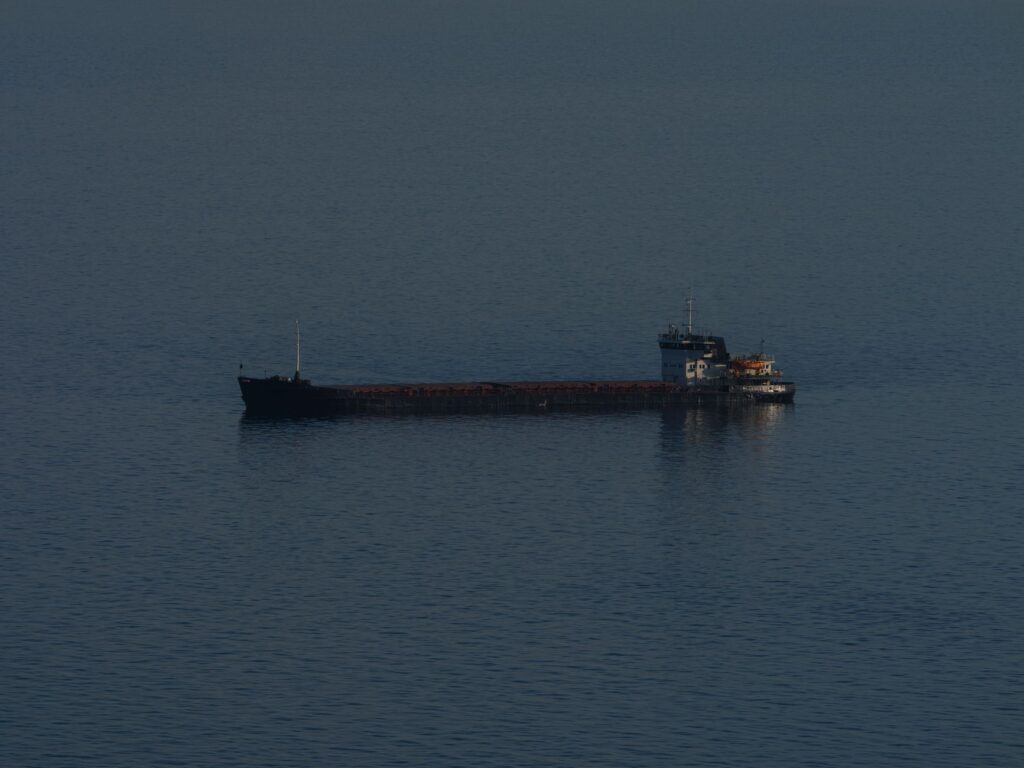
Adam Whittaker's single-sentence dispatch in Barron's carries a heavy warning: if fertilizer stops moving through the Persian Gulf, food shortages worsen, grain prices climb, and they stay high long after the shooting stops. The Strait of Hormuz handles a large share of the world's seaborne fertilizer trade, and Gulf producers supply much of the urea and ammonia that farmers in Asia, Africa, and Latin America depend on. War-risk insurance premiums, re-routed tankers, and port delays already slow the flow. Every idle ship tightens a market that runs on thin margins even in peacetime.
For a small-business operator, this is not a distant geopolitical story. Grocery prices rise first, then restaurant margins compress. A bakery, café, or food truck buys flour, cooking oil, and meat; each input reflects grain costs set months earlier by futures contracts. If you run a farm-supply store or a landscaping business, fertilizer availability and price hit your order book directly. Even a retailer far from agriculture feels the squeeze when customers cut discretionary spending to cover a larger grocery bill. The pain arrives in waves, and the smallest businesses absorb it first.
What strikes us as under-reported is the lag. Fertilizer contracts price months ahead, so a supply disruption shows up in harvest yields long before it appears on a shelf. Whittaker's phrase about prices taking time to come down understates the stickiness: grain markets can stay elevated for a full growing season or more. We also note that Barron's frames the risk as a shipping failure, not a production collapse. The fertilizer exists; the tankers cannot move it. That distinction matters because a ceasefire could reopen lanes faster than new mines could close them.
The burden falls unevenly. Wealthy countries subsidize farmers and absorb price spikes; poorer importers face rationing and unrest. Within the United States, row-crop farmers in the Midwest locked in input costs last fall, but livestock producers who buy feed feel the pinch now. A small greenhouse operator or organic grower who avoids synthetic fertilizer gains a relative edge, yet even they pay more for compost and fuel as demand shifts. Every operator should map which suppliers touch Gulf shipping and identify a domestic or non-Gulf alternative before the shortage reaches their invoice.
Watch the Strait of Hormuz insurance rates and the Baltic Dry Index for early warning. If war-risk premiums stay elevated past 30 days, fertilizer prices will follow. Talk to your suppliers now about allocation and contract terms. Consider locking in a portion of your input needs for the next quarter, but avoid panic buying. Diversify your supplier base if you rely on a single distributor. The businesses that plan during the first headline will outlast those that wait for the second.
“Failure to get fertilizer supplies moving through the Persian Gulf risks worsening food shortages and triggering higher grain prices that could take time to come down.” — Barron's Top Stories
Takeaway: Map your suppliers' exposure to Gulf shipping now and lock in input contracts before fertilizer shortages reach your invoice.
Excerpt from the original — Barron's Top Stories
Failure to get fertilizer supplies moving through the Persian Gulf risks worsening food shortages and triggering higher grain prices that could take time to come down.