UpTrajectory Review
The July inflation reading of 3.4% marks a modest deceleration from earlier 2024 peaks, with food price growth finally losing steam even as shelter costs continue to prop up the overall figure. For New Jersey small business operators, this is not merely a macroeconomic headline—it is a signal about the timing of decisions they have likely deferred for months. The Federal Reserve's inflation target remains 2%, meaning monetary policy will stay restrictive for longer than many hoped, but the direction of travel matters for anyone negotiating supplier contracts, setting wages, or pricing services in a state where operating costs already run above the national average.
The practical stakes for a New Jersey operator are immediate and uneven. Food-cost relief helps restaurants, caterers, and grocery-adjacent retailers rebuild margins that compressed sharply in 2022-2023, but the persistent housing component signals that commercial rent renegotiations will remain adversarial. Labor markets in the Garden State have stayed tighter than the national average, and wage pressures do not vanish at 3.4% inflation. A business planning its autumn pricing cycle now faces a specific calculus: can it hold prices steady to regain volume lost during the inflation surge, or does sticky shelter and service inflation force another round of increases that risks customer attrition?
What deserves more scrutiny than the headline figure itself is the BBC's framing of this as a planning moment. That is genuinely useful and under-reported. Most coverage treats inflation as a spectator sport for rate-watchers; the translation to small-business cash-flow planning is rarely attempted. We are somewhat skeptical, however, of any narrative that treats 3.4% as 'cooling' without emphasizing the distance from target. The Fed has shown it will tolerate temporary overshoots, but a pivot to rate cuts is not automatic from here. Businesses banking on cheaper credit by year-end may be disappointed if services inflation proves persistent, as it has for eighteen months running.
The downstream effects split by sector and geography in ways the national figure obscures. Northern New Jersey businesses serving Manhattan commuters face different demand elasticity than shore-seasonal operators watching leisure spending normalize. Input-cost relief for food producers may not reach wholesalers quickly if distributors use the moment to restore their own battered margins. Perhaps most consequential: the gap between headline inflation and experienced inflation for lower-income households means demand bifurcation—premium-positioned small businesses may see resilience while value-oriented competitors face continued trading-down. The state-level policy environment, including NJ's phased minimum-wage increases and ongoing commercial-property tax pressures, amplifies these crosscurrents.
Watch the August and September prints for confirmation that services inflation is truly decelerating, not merely volatile. More immediately, operators should stress-test their models against 'higher for longer' rather than planning for rapid normalization. Specific actions: lock supplier contracts where food-input costs have softened, but negotiate shorter terms than the pre-2022 standard to preserve flexibility. For businesses with floating-rate debt, the July figure does not justify delaying refinancing conversations. Finally, use this moment of modest relief to rebuild cash reserves rather than expanding fixed costs—the next supply shock or geopolitical disruption is not predictable, but the fragility exposed by the 2021-2022 inflation cycle should still be fresh memory.
Takeaway: Lock flexible supplier contracts on softer food costs, but stress-test against 'higher for longer' rates rather than banking on rapid relief.
Excerpt from the original — BBC World News
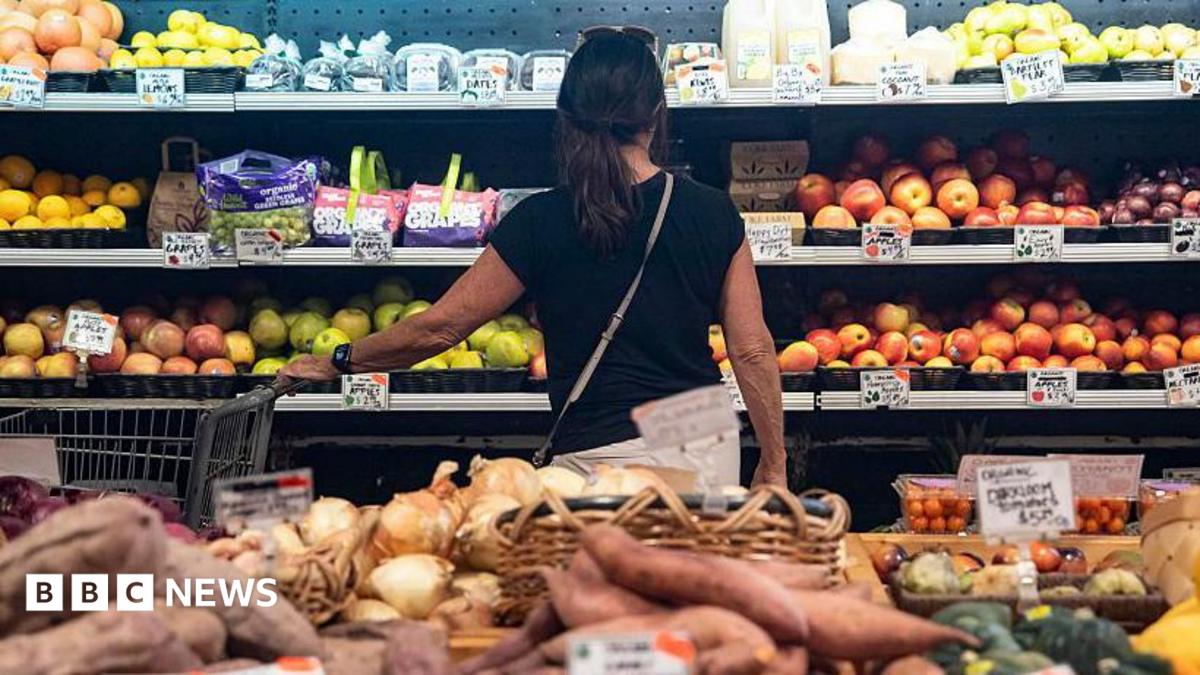
Annual US inflation dipped to 3.4% in July, with food costs slowing and housing keeping prices slightly higher.