UpTrajectory Review
The headline 3.4% annual inflation figure for July represents a modest cooling from earlier 2024 peaks, driven primarily by a slowdown in food price increases even as housing costs continue to exert upward pressure. For small business operators who have spent three years navigating erratic pricing environments, this number is less a relief than a signal that volatility itself is becoming the baseline condition. The Federal Reserve's 2% target remains distant, and the stickiness of housing costs—often the largest fixed expense for both households and commercial tenants—suggests that any celebration would be premature. The BBC's framing of 'easing prices' deserves scrutiny: food costs slowing is welcome, but it is not the same as prices falling, and the distinction matters enormously for operators building annual budgets.
For a small business owner, this inflation report is a planning hazard disguised as good news. If you locked in supplier contracts during the panic pricing of 2022-2023, you may now face competitors who delayed purchases and can undercut you using today's relatively softer input costs. Conversely, if you are renegotiating leases or equipment financing this quarter, housing's persistent elevation means your largest fixed costs are not participating in the 'cooling' narrative at all. The operator's dilemma is temporal: do you accelerate capital expenditures now, betting that rates will fall, or preserve cash assuming the Fed keeps policy tight longer than markets expect? There is no universal right answer, but the wrong answer will be reached by treating 3.4% as a trend rather than a snapshot.
What is genuinely new here is the composition of inflation rather than its level. Food costs slowing suggests supply chain normalization in agriculture and transportation, which is structurally different from the demand-driven inflation of 2021-2022. However, the BBC item gives housing short shrift—'keeping prices slightly higher' understates that shelter remains the single largest component of CPI and shows little deceleration. We are skeptical of any analysis that treats inflation as monolithic; for a restaurant operator, food matters most, while for a professional services firm with a downtown lease, housing dominates. The aggregate figure is a political and media convenience that actively misleads operational planning.
The downstream effects split unevenly across business types. Retailers and food service operators may see margin recovery as input costs stabilize, but they also face consumers whose purchasing power improvement is diluted by persistent housing inflation. Manufacturers with long production cycles must now guess whether to price products for a 3.4% environment or hedge against reacceleration. Perhaps most significantly, the Fed's September decision—now heavily debated—will move markets and borrowing costs based partly on this print. Small businesses without dedicated treasury functions are disproportionately exposed to these macro shifts, yet least equipped to model them. The asymmetry is real: a quarter-point rate move costs or saves thousands in annual interest, but the planning horizon to capture that benefit is vanishingly short.
Watch the August and September prints for confirmation of trend versus noise, but more critically, watch your own cost structure against the aggregate. If your rent reset is this fall, the national inflation figure is irrelevant—your negotiation depends on local commercial vacancy rates and your landlord's debt service costs. Actionable moves: review supplier contracts for renegotiation windows you may have missed, stress-test cash flow at both 3% and 5% inflation through 2025, and if you have been delaying a rate-sensitive investment, begin structuring the deal now without committing, preserving optionality into the Fed's September meeting. The operators who survive macro uncertainty are those who internalize that national averages describe no single business's reality.
Takeaway: Treat 3.4% as a snapshot, not a trend—stress-test your actual cost structure, not the national average, before making capital commitments.
Excerpt from the original — BBC Business
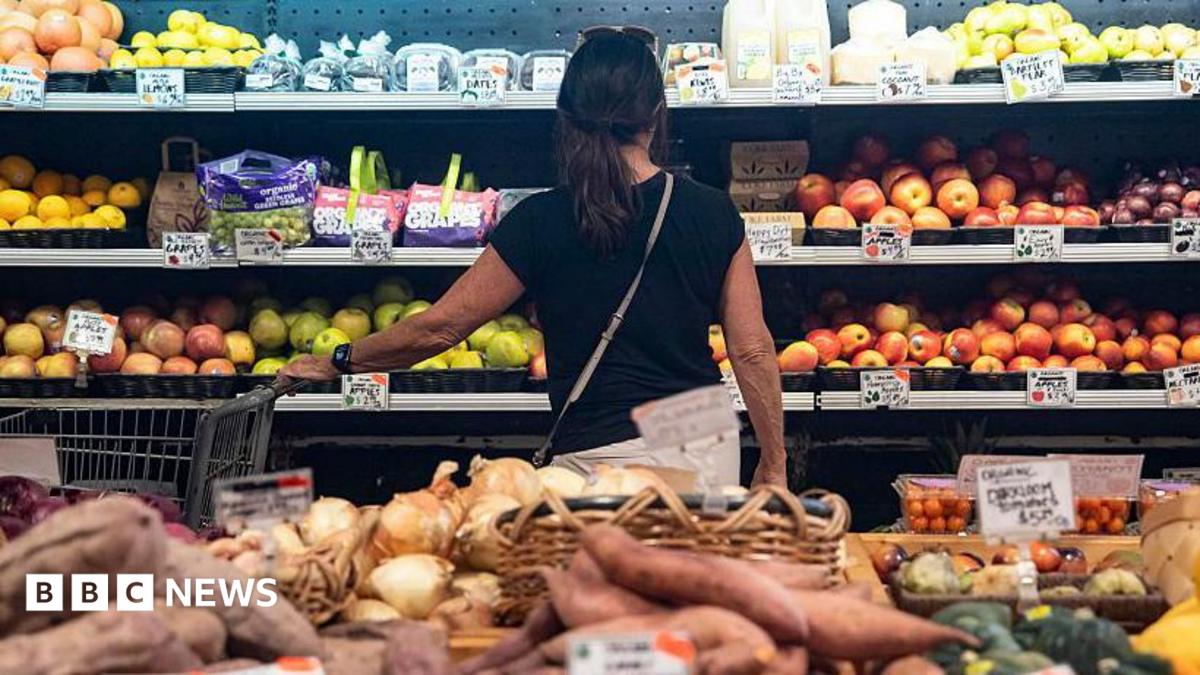
Annual US inflation dipped to 3.4% in July, with food costs slowing and housing keeping prices slightly higher.