UpTrajectory Review
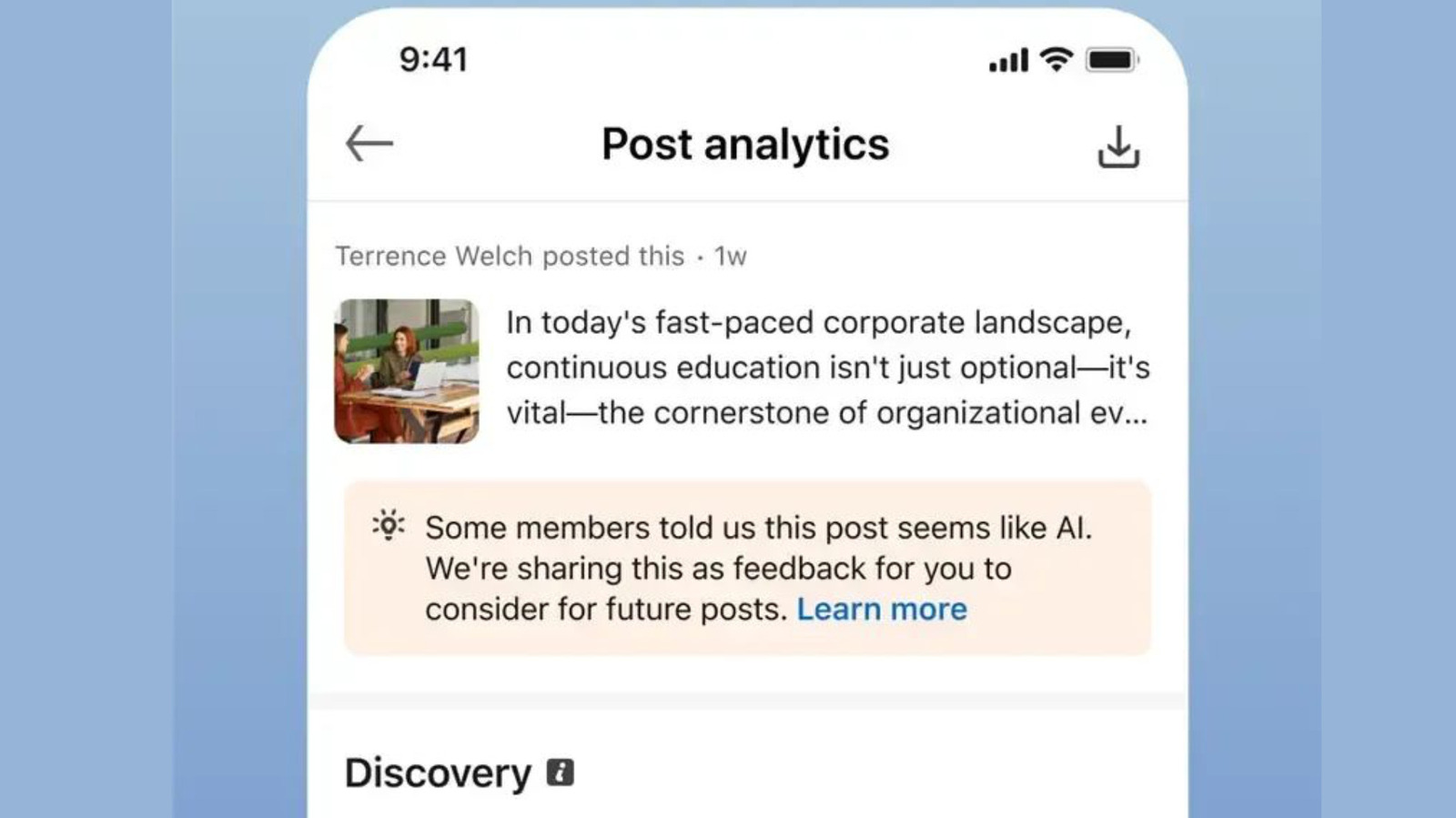
LinkedIn has begun reporting results from its AI-generated content filter, and the early signals suggest the tool is doing what the company built it to do. The platform introduced the feature last year as a response to the flood of generic, machine-written posts that were cluttering feeds and degrading the professional networking experience that LinkedIn sells to its 900 million users. For small-business operators who use LinkedIn for recruiting, lead generation, or brand building, this is not a distant platform drama. It is a direct test of whether the channel they have invested time and money into can remain credible enough to command attention.
The stakes here are concrete for any business that relies on LinkedIn as a primary marketing or hiring channel. When feeds fill with undifferentiated AI-generated posts, engagement rates drop for everyone, organic reach becomes a lottery, and the platform's value proposition frays. Small operators without dedicated social teams are especially exposed: they cannot out-spam the spammers, and they cannot out-spend the brands buying visibility. A functioning filter restores some competitive balance. It rewards the original thinking and genuine expertise that smaller businesses often have in abundance but struggle to distribute against algorithmic noise.
What deserves scrutiny is LinkedIn's definition of 'working.' The company has not released granular data on false positives, appeals, or how the filter distinguishes between AI-assisted drafting and fully synthetic content. These are not academic questions. A consultant who uses AI to outline a post and then heavily revises it could see reach throttled. A founder whose authentic voice happens to match AI patterns might be penalized. The source text offers no detail on these edge cases, and that omission matters. Platform content moderation always involves trade-offs between scale and fairness; LinkedIn has given no evidence it has solved this harder problem.
The downstream effects will split the user base in predictable ways. Large enterprises with compliance and legal teams will likely adapt quickly, perhaps even welcoming clearer rules. Individual professionals and micro-businesses may find themselves guessing at invisible boundaries, or retreating to safer, blander content to avoid tripping filters. There is also a competitive intelligence angle: if LinkedIn's detection improves, competitors like X or emerging professional networks face pressure to match it or cede the 'authentic professional space' positioning. For agencies selling LinkedIn strategy, this becomes a new service line, auditing client content for filter risk.
What to watch is whether LinkedIn moves from reporting success to publishing standards. Operators should track not just their own engagement metrics but whether they notice shifts in what surfaces in their feeds, and whether human-written posts from smaller accounts regain traction. The actionable move now is to audit your recent LinkedIn content for signs of generic AI patterns, review your posting cadence, and consider whether your voice is distinctive enough to survive algorithmic sorting. The filter may be working for LinkedIn. Whether it works for you depends on how original your contribution actually is.
The broader lesson is that platform dependence keeps growing more expensive. Every algorithmic intervention reshapes who can be heard, and small operators have the least leverage to adapt. LinkedIn's filter is a reminder that the rules of professional visibility are written elsewhere, and changed without consultation. Building direct audience relationships, email lists, and owned channels remains the hedge that no platform improvement can replace.
“LinkedIn says its AI slop button is working.” — Engadget
Takeaway: Audit your LinkedIn content for generic AI patterns and sharpen your distinctive voice before invisible filters reshape your reach.
Excerpt from the original — Engadget
LinkedIn says its AI slop button is working.