UpTrajectory Review
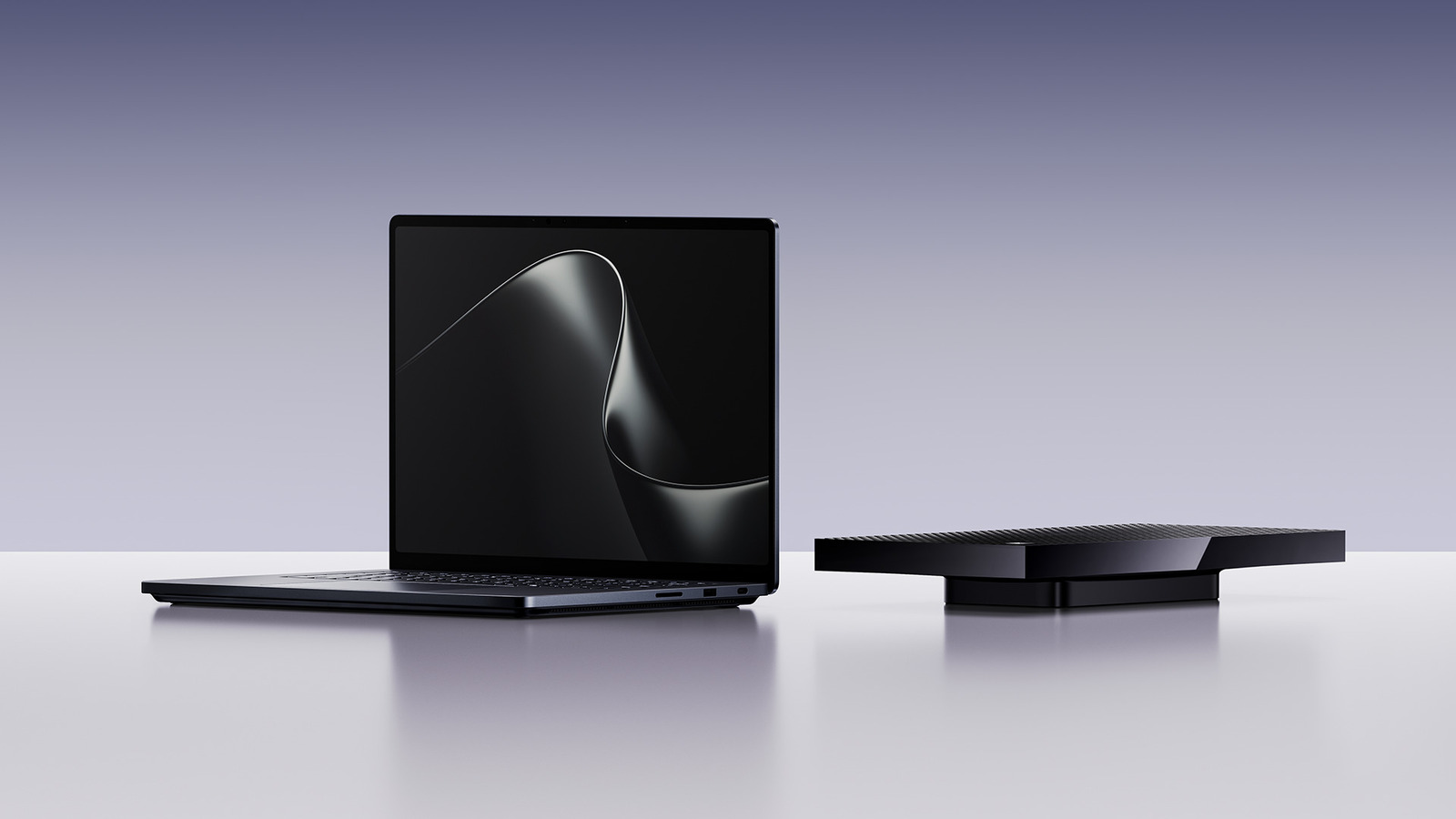
Microsoft is making its most aggressive bet yet that the future of personal computing is not a faster laptop or a prettier screen but a machine that acts on your behalf. At its latest hardware event, the company put agentic AI — software that doesn't just answer prompts but plans, decides, and executes multi-step tasks — at the center of both the next generation of Windows and the new Surface Laptop Ultra. This is the clearest signal yet that Microsoft views the traditional operating system as a legacy layer, and the AI agent as the new primary interface between user and machine.
For small-business operators, this shift carries real operational weight, not just novelty value. If Windows can reliably handle multi-step workflows — drafting client follow-ups, reconciling invoices, scheduling across calendars, summarizing meeting notes into actionable tasks — the administrative overhead that eats 20 to 30 percent of a small team's week starts to compress. The Surface Laptop Ultra, positioned as the flagship hardware for these capabilities, is effectively Microsoft arguing that the best device for running your business is one where the software does more of the running.
What is genuinely new here is the ambition of the integration, not the concept. AI assistants have been bolted onto Windows for two years, mostly as a sidebar curiosity. Agentic AI embedded at the OS level, with the ability to act across applications and permissions, is a categorically different proposition — and a categorically different risk. We are skeptical of the reliability claims until independent testing demonstrates these agents can handle edge cases without human cleanup. Microsoft's history with ambitious software launches, from Clippy to Cortana to the original Copilot rollout, suggests the gap between demo and daily utility is often wide.
The second-order effects deserve close attention. If agentic AI becomes a genuine Windows differentiator, it raises the competitive bar for every other hardware and OS vendor, potentially accelerating a cycle where small businesses feel pressure to upgrade devices and retrain staff faster than their budgets comfortably allow. There is also a data-governance question: an AI agent with broad system access is only as trustworthy as the permissions architecture underneath it. Businesses handling client data, health records, or financial information will need to think carefully about what they allow these agents to touch, and audit trails will matter as much as capability.
Watch for three things in the coming months: independent benchmarks on how reliably these agents complete real-world business tasks without supervision, enterprise pricing and licensing terms that determine whether these features are accessible to small teams or locked behind enterprise tiers, and how quickly third-party developers build agent-compatible applications that extend the capability beyond Microsoft's own ecosystem. Operators who rely heavily on Windows should start mapping their most repetitive administrative workflows now, so they can evaluate whether agentic AI genuinely replaces that labor or simply adds another layer to manage.
“The company highlighted agentic AI features for Windows as well as the Surface Laptop Ultra.” — Engadget
Takeaway: Map your most repetitive administrative workflows now so you can judge whether agentic AI truly replaces that labor or just adds another layer to manage.
Excerpt from the original — Engadget
The company highlighted agentic AI features for Windows as well as the Surface Laptop Ultra.