UpTrajectory Review
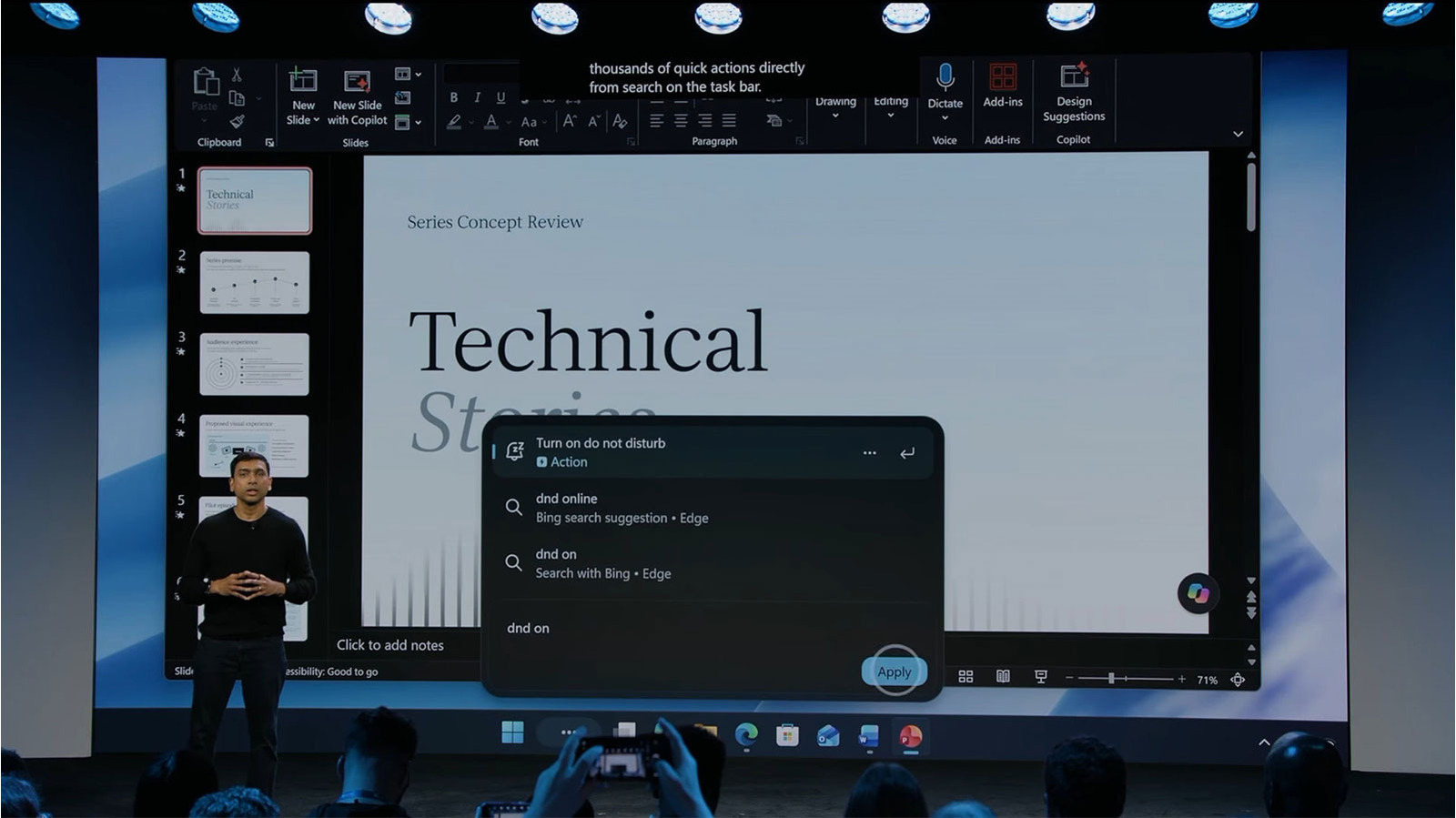
Microsoft is preparing to fold its Copilot AI assistant directly into the Windows search experience this fall, marking another step in the company's aggressive push to make generative AI a default layer of everyday computing. The available text is thin—essentially a headline and a single confirming sentence—but the move itself is significant. Windows Search has long been a pain point for users, frequently criticized for returning irrelevant results, prioritizing web content over local files, and generally failing at the basic task of helping people find what is already on their machine. Redesigning that interface around Copilot suggests Microsoft is betting that natural-language querying can succeed where traditional keyword indexing has fallen short.
For small-business operators, this is not a cosmetic update. Search is a daily utility. Staff who cannot locate a contract, an invoice, or a client email lose real time, and that friction compounds across a team. If Copilot integration genuinely improves the ability to surface documents, settings, and applications through conversational queries, it could reduce the small but persistent productivity drain that comes from hunting through shared drives and cluttered desktops. It also has training implications: a search bar that understands plain English lowers the learning curve for less technical employees, which matters in businesses where IT support is thin or nonexistent.
That said, we are skeptical of the premise that AI is the fix Windows Search needs. The historical problem has not been a lack of intelligence but a lack of reliability and transparency. Users want to know why a result appeared, and they want local files to take priority over web suggestions or sponsored content. Layering Copilot on top does not inherently solve that. There is also the question of data handling: businesses handling sensitive client information will want clear answers about what queries are processed in the cloud, what is retained, and whether enterprise controls can lock the feature down. Microsoft's track record on consent and default settings in Windows gives reason for caution.
The second-order effects extend beyond individual users. If Copilot becomes the primary gateway to files and applications on Windows, Microsoft's influence over how workers interact with their own data deepens further. Competitors in the AI search space—Google, and various third-party desktop search tools—will feel pressure to respond, potentially accelerating a broader shift toward AI-mediated interfaces across operating systems. For software vendors who build on Windows, there is also a discovery question: if Copilot becomes the front door, what happens to applications and files that the AI does not surface?
What to watch: the specifics of the rollout, including whether the feature is opt-in or enabled by default, what enterprise controls are available, and how Microsoft handles local versus cloud processing. Business operators should also pay attention to whether Copilot search requires a Microsoft 365 subscription or additional licensing, since Microsoft has a history of bundling AI features behind paid tiers. When the feature arrives this fall, test it on a non-critical machine before deploying it across a team, and review your organization's data privacy posture in light of any new cloud-connected search behavior.
The bottom line is that Microsoft is making a calculated bet: that the search experience on Windows is broken enough, and that Copilot is capable enough, to justify rebuilding a core utility around AI. Whether that bet pays off for business users depends less on the demo and more on the defaults, the controls, and the honesty of the results. This fall will tell us a great deal about how Microsoft intends to treat the people who depend on Windows to run their businesses.
Takeaway: Test Copilot search on one machine before rolling it out, and verify what data leaves your network before your team relies on it.
Excerpt from the original — Engadget
Microsoft's Copilot search redesign arrives this fall.