UpTrajectory Review
The dominance of debit cards in mobile wallets is now quantified at ninety percent, a figure that reshapes how small businesses should think about payment infrastructure. This is not merely a preference for digital over physical—it signals that consumers are treating their phones as direct extensions of their checking accounts, not as credit instruments. For merchants, this means the cost structure of accepting payments shifts in meaningful ways, since debit transactions typically carry lower interchange fees than credit. The data also suggests users are prioritizing spending control and immediacy over rewards programs or float, a behavioral shift with implications for everything from inventory planning to loyalty program design.
For a small business operator, this statistic demands immediate attention to payment terminal configuration and checkout flow optimization. If nine in ten mobile wallet transactions will hit your merchant account as debit rather than credit, your effective processing rate may be lower than you assumed—but only if your point-of-sale system is properly coded to recognize and route them accordingly. Many small merchants run legacy setups that default all contactless transactions to credit rails, effectively leaving money on the table. The practical urgency is this: review your merchant services agreement and test whether your current hardware distinguishes between debit and credit at the tap-to-pay level.
What warrants skepticism is the source's likely framing of this as unalloyed progress for small business. The BBC piece presumably treats surging mobile wallet adoption as consumer convenience triumphant, but the debit-heavy composition carries risk. Debit funds clear immediately, reducing chargeback exposure, yet they also offer consumers weaker dispute protections under Regulation E compared to credit cards under Regulation Z. A small business facing a fraudulent transaction dispute may find the terrain more favorable with debit, but a consumer burned by a merchant dispute has less recourse—potentially generating reputational friction that credit's chargeback infrastructure would have absorbed.
The downstream effects bifurcate sharply by business type. Retailers with thin margins and high transaction velocity—grocery, quick-service food, personal services—stand to gain most from debit's lower interchange. Conversely, businesses relying on installment-adjacent purchasing psychology, or those with higher average tickets where credit float matters to buyers, may see conversion pressure. Payment processors and fintech intermediaries are the less visible winners here: they capture margin from routing optimization, and the consolidation of debit-as-default strengthens the position of wallet providers (Apple, Google, Samsung) as payment gatekeepers, potentially squeezing merchant negotiating power over time.
Watch whether this debit dominance holds as credit card issuers retaliate with accelerated rewards tied specifically to wallet usage, or as buy-now-pay-later integrations deepen within native wallet apps—both could erode the ninety-percent figure. Small business operators should audit their payment stack this quarter: confirm debit routing capability, compare effective rates across transaction types, and pressure your processor for transparency on contactless routing logic. The broader strategic question is whether to begin steering customers toward wallet-specific incentives that exploit this debit preference, or to maintain payment-agnostic neutrality to avoid alienating the residual credit-dominant minority.
The community angle matters too: in areas with lower credit penetration or thinner banking access, debit-forward mobile wallets may accelerate financial inclusion for unbanked or underbanked residents served by prepaid debit products. Small businesses in these markets should ensure their systems accept the full range of wallet-loaded instruments, not just traditional bank-issued debit. The infrastructure choice you make this year will likely lock in for the payment cycle ahead.
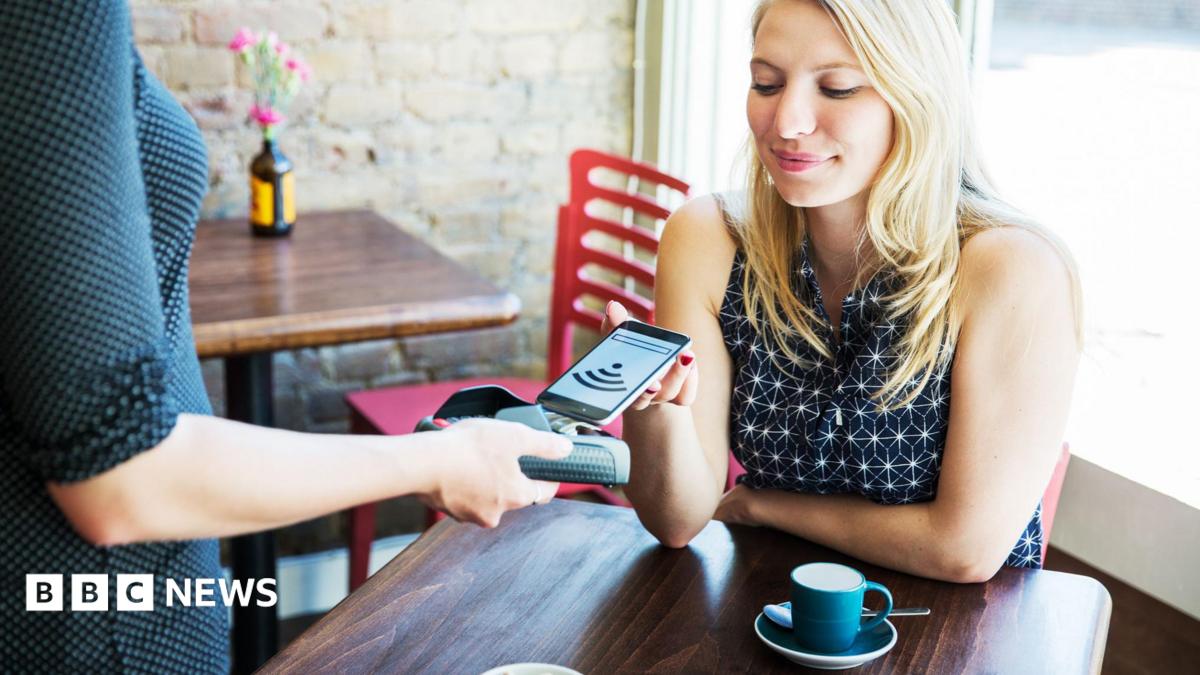
“Nine in 10 mobile wallet users have their debit card loaded as their default payment method, new data shows.” — BBC Business
Takeaway: Audit your payment terminal's debit-versus-credit routing for contactless transactions to capture lower interchange rates on nine in ten mobile wallet payments.
Excerpt from the original — BBC Business
Nine in 10 mobile wallet users have their debit card loaded as their default payment method, new data shows.