
UpTrajectory Review
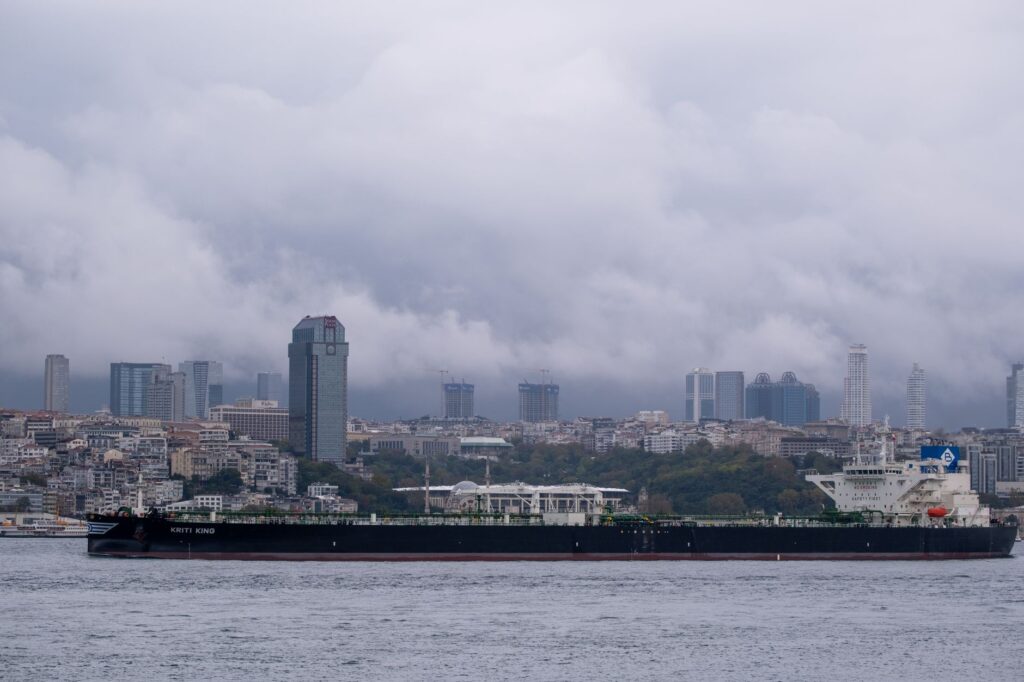
Brent crude has drifted back toward levels last seen before the current Middle East conflict began, yet the commodity strategists CNBC cites refuse to call the rally in risk over. Their reasoning centers on the Strait of Hormuz, the narrow waterway between Iran and Oman to which roughly a fifth of the world's traded oil passes daily aboard tankers. Iran retains the physical capacity to harass, seize, or mine commercial vessels in that corridor, and the market knows it. The headline price may look calm, but the calm reflects a bet that disruption will not happen this week, not a belief that it cannot happen at all.
For a small-business operator, this is not an abstract geopolitical story. Diesel and gasoline prices set the cost of every delivery run, every service van, every pallet of inventory that arrives at your dock. When crude falls, freight carriers and fuel surcharges often lag by weeks before passing savings along. When crude spikes, those surcharges appear overnight. The strategists' warning means operators should treat current fuel costs as a temporary floor, not a ceiling, and build budgets that assume a higher number by quarter's end.
What is genuinely new here is the tension between spot prices and forward risk. Markets are pricing near-term supply adequacy while conceding that a single incident in the Strait could erase the decline within hours. We are skeptical of any narrative declaring the energy shock finished. Geopolitical leverage does not need to be exercised to be effective; the mere possibility keeps insurers, shipowners, and traders cautious, and that caution surfaces in shipping rates and war-risk premiums before it ever reaches crude futures.
The second-order effects cut unevenly across the economy. Large carriers with hedged fuel positions will absorb volatility better than independent truckers or small fleets buying at the pump. Businesses tied to discretionary consumer spending may catch a brief tailwind from lower energy costs, while exporters dependent on container shipping could face stubbornly high freight rates even as oil falls. The divergence matters for your books: your fuel line item and your logistics line item may move in opposite directions, and margin planning must account for both.
Watch the Strait itself, not the ticker. Any escalation involving Iranian naval activity, seizures of commercial vessels, or fresh sanctions rhetoric will hit shipping insurance rates first, then freight contracts, then your invoice. Operators should review fuel-surcharge clauses in carrier agreements now, ask suppliers how they index diesel costs, and consider locking in partial hedges or fixed-rate freight where available. Avoid treating the current dip as a green light for margin-thin expansion. The cheap moment is the moment to prepare for the expensive one.
“Iranian leverage in the Strait of Hormuz will continue to weigh on oil markets and shipping costs.” — CNBC Top News
Takeaway: Treat today's fuel prices as a floor, not a ceiling: audit your surcharge clauses and hedge what you can before Strait risk reprices your logistics.
Excerpt from the original — CNBC Top News
Commodity strategists warn that Iranian leverage in the Strait of Hormuz will continue to weigh on oil markets and shipping costs.