UpTrajectory Review
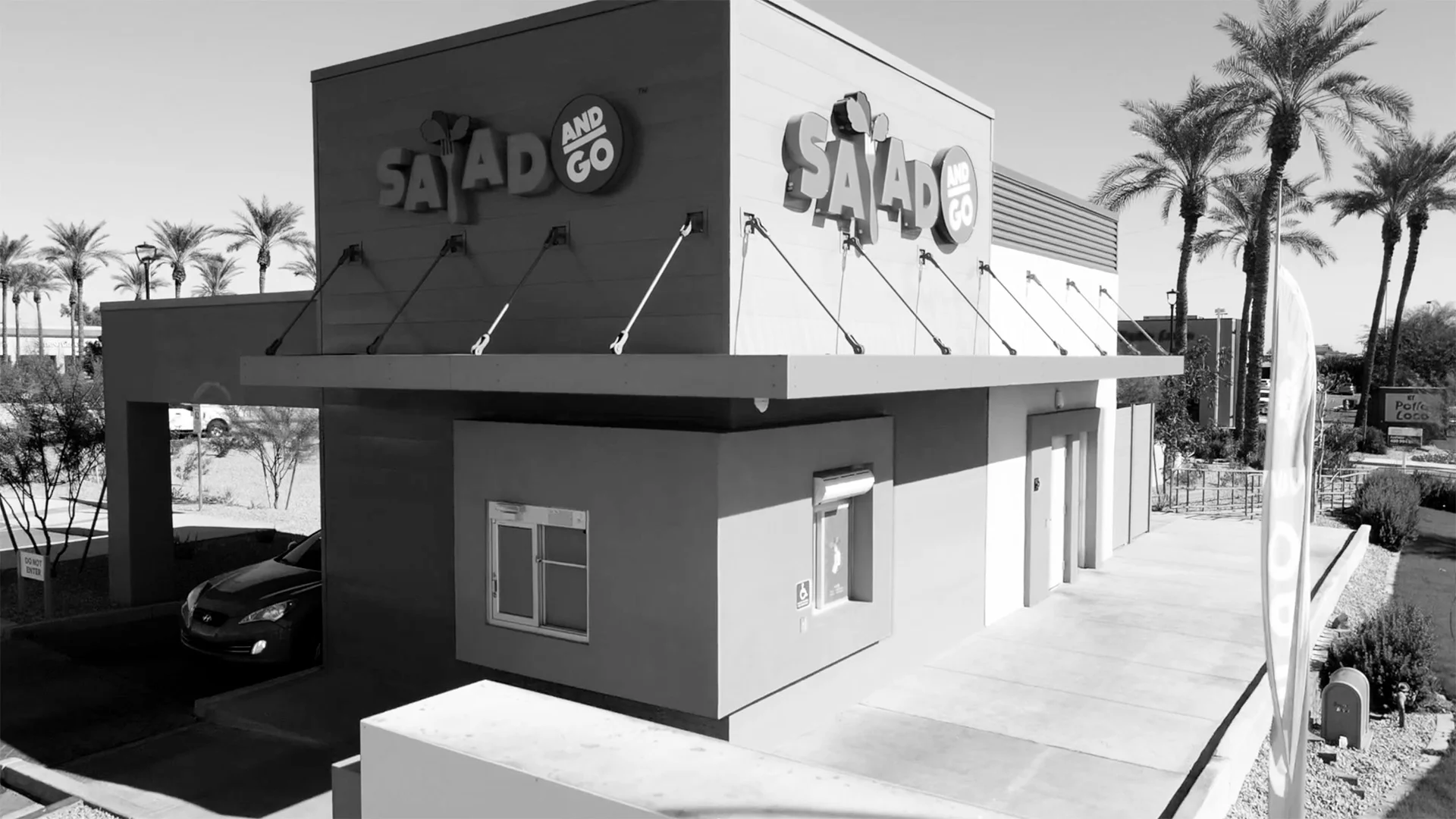
Salad and Go, the fast-casual chain that built its brand on healthy, affordable drive-thru meals, has filed for bankruptcy after a two-year slide in customer traffic that management apparently failed to arrest. The piece frames this as a teachable moment for small operators, but the headline promises more insight than the thin available text delivers. What we know is stark enough: the decline was prolonged, visible in the data, and ultimately terminal. For a chain that once expanded aggressively and attracted capital on the premise of disrupting quick-service dining, the collapse raises hard questions about whether its unit economics ever worked at scale, or whether the post-pandemic consumer simply moved on from its particular value proposition.
For the small-business operator reading this, the warning is uncomfortably direct. You do not have the balance-sheet padding or investor patience that Salad and Go presumably enjoyed during its growth phase. A two-year traffic decline in a small operation means personal guarantees, depleted cash reserves, and likely no Chapter 11 reorganization at the end. The lesson is not merely 'pay attention to your numbers'—anyone doing basic bookkeeping sees revenue fall. The harder discipline is acting on that data early enough, before fixed costs and debt obligations lock you into a death spiral. Salad and Go's bankruptcy suggests leadership either misread the trend, bet on a turnaround that never materialized, or could not execute a pivot fast enough. All three failure modes are available to the corner café or regional retailer with equal ease.
What is genuinely contested here, and what the source text barely acknowledges, is whether Salad and Go's model was ever viable or merely well-funded. The chain raised substantial venture capital and expanded rapidly; its bankruptcy may say less about operational inattention and more about the familiar pattern of growth-at-all-costs startups that confuse scale with sustainability. The 'lessons for small business resilience' framing feels borrowed from a press release or a consultant's slide deck. Small operators do not typically have the option to burn capital while pursuing market share. If anything, Salad and Go's trajectory may be a cautionary tale about what happens when small-business logic—unit profitability, customer retention, manageable growth—is abandoned in favor of a venture-backed playbook that treats losses as investment.
The downstream effects deserve more attention than they will likely receive. Salad and Go's bankruptcy will ripple through its franchisees or licensed operators, its supply chain of produce and packaging vendors, and the commercial real estate footprint it occupied. For competitors in the healthy-fast-casual segment, the collapse removes a price competitor but also potentially poisons the well for similar concepts seeking financing. Consumers in markets where Salad and Go drove traffic to otherwise sleepy strip-mall locations may see reduced foot traffic and a slower replacement tenant than a bankrupted burger chain would generate, simply because the next healthy drive-thru concept is harder to find.
What to watch: whether Salad and Go attempts a restructuring that preserves any locations, or whether this becomes a pure liquidation. The latter would confirm that the brand equity and customer relationships were not worth saving, which is its own grim data point. For operators reading this, the actionable move is to audit your own trailing-twelve-month traffic data today, not next quarter, and to establish in advance the trigger points that would force a strategic pivot—menu changes, hours reduction, location closure, or a complete model shift. Resilience is not optimism in the face of decline. It is the pre-committed decision to act before the data becomes a story someone else writes about your failure.
The Inc. piece, in what we can see, gestures at this but does not develop it. The full article may deliver more granular insight into what Salad and Go's leadership actually tried, and whether any intervention came close to working. Without that, the headline's promise of 'lessons' remains largely unfulfilled. The real lesson may be about the gap between business journalism that labels events as teachable and the harder work of identifying what is actually transferable to a capital-constrained, owner-operated enterprise.
Takeaway: Set hard traffic-decline triggers now and pre-commit to specific pivots before the data writes your obituary.
Excerpt from the original — Inc. Magazine
Data shows the chain’s customer visits had been decreasing for more than two years before it ultimately filed for bankruptcy.