UpTrajectory Review
Donald Trump announced a three-day pause on threatened 50% tariffs against Canadian imports just hours before they would have taken effect, claiming a deal is imminent pending document finalization. The about-face came after Canadian officials negotiated through Tuesday evening, with $20 billion in cross-border trade hanging in the balance. For New Jersey small-business importers, this is less a resolution than a stay of execution—a pattern of tariff threats, partial retreats, and last-minute brinkmanship that has become the defining trade policy rhythm of this administration. The Guardian's framing around a potential oil project revival suggests the negotiations may involve energy concessions that extend well beyond simple tariff rates.
New Jersey's import-dependent small businesses operate on razor-thin margins and even thinner inventory buffers. A 50% tariff applied overnight would have been catastrophic for firms importing Canadian manufactured goods, agricultural products, or raw materials—many of which lack ready alternative suppliers. The three-day reprieve offers no operational clarity. You cannot renegotiate supplier contracts, adjust pricing to customers, or secure financing against a 72-hour horizon. What this creates is a planning environment where contingency budgets must now permanently account for sudden 50% cost spikes, a drag on competitiveness that favors larger competitors with deeper balance sheets and diversified supply chains.
The genuinely under-reported element here is the oil project reference—Trump's suggestion that something 'may be awoken from the grave.' This points to Keystone XL or a similar cross-border energy infrastructure play, indicating these tariff threats may function as extraction mechanisms for unrelated policy concessions rather than genuine trade protection. The $20 billion figure attached to the threatened goods also deserves scrutiny: it represents a fraction of total US-Canada trade, suggesting the tariff was calibrated for maximum political leverage rather than economic coherence. We are skeptical that any 'deal' materializes within 72 hours; this resembles the 2019 pattern of threatened Mexican tariffs that produced cosmetic border commitments followed by quiet abandonment.
The downstream effects bifurcate sharply. Large importers with government relations teams and Washington access likely received advance warning and positioned accordingly. Small operators absorbed the full uncertainty premium. More consequentially, each iteration of this cycle erodes the reliability premium that US trade relationships historically commanded. Canadian suppliers are accelerating diversification toward Asian and European markets; once those alternative relationships solidify, they do not readily reverse. For New Jersey specifically, Port of Newark and Elizabeth operations face compounding inefficiencies as customs brokers and freight forwarders price in regulatory volatility. The cost gets baked into every container, every invoice, every hedging instrument.
Watch whether the 'finalization of documents' produces public text or remains opaque—transparency would indicate genuine agreement, opacity suggests face-saving delay. Also monitor whether the 50% threat resurfaces after three days or migrates to a different trading partner, which would confirm the tactic-over-strategy interpretation. For operators: accelerate supplier diversification even if Canadian relationships remain primary, document all tariff-related cost impacts for potential future duty drawback or exclusion claims, and consider joining trade association lobbying efforts—individual small businesses have negligible Washington voice but collective pressure shapes tariff exclusion processes. Most critically, do not treat this pause as stability; treat it as confirmation that trade policy now operates on tactical, not strategic, timelines.
Takeaway: Treat this pause as confirmation of tactical trade policy, not stability—accelerate supplier diversification and document all tariff-related costs for future claims.
Excerpt from the original — The Guardian US
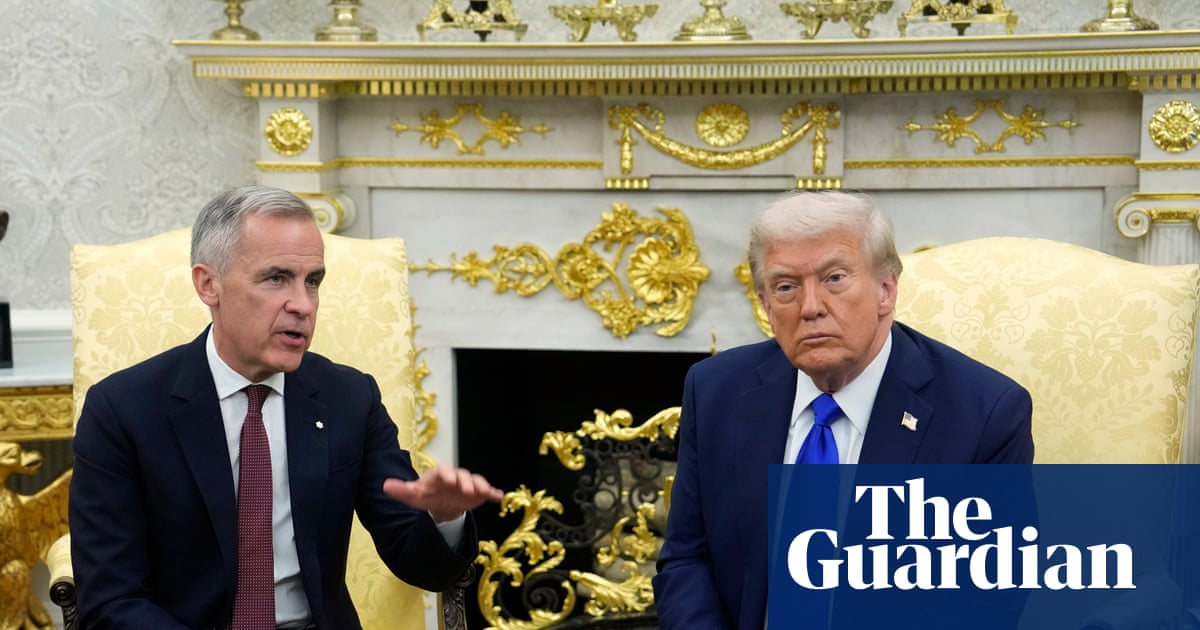
US president delays 50% tariffs by three days, and says contentious oil project ‘may be awoken from the grave’Canada has temporarily avoided a bruising 50% US tariff, reaching a Tuesday-evening agreement with Trump administration officials hours before a hike that would have affected $20bn worth of goods was set to take effect.Donald Trump posted late on Tuesday on social media that he had paused the tariffs for three days “based on the fact that Canada and the USA, subject to the finalization of documents, have a DEAL!” Continue reading…