UpTrajectory Review
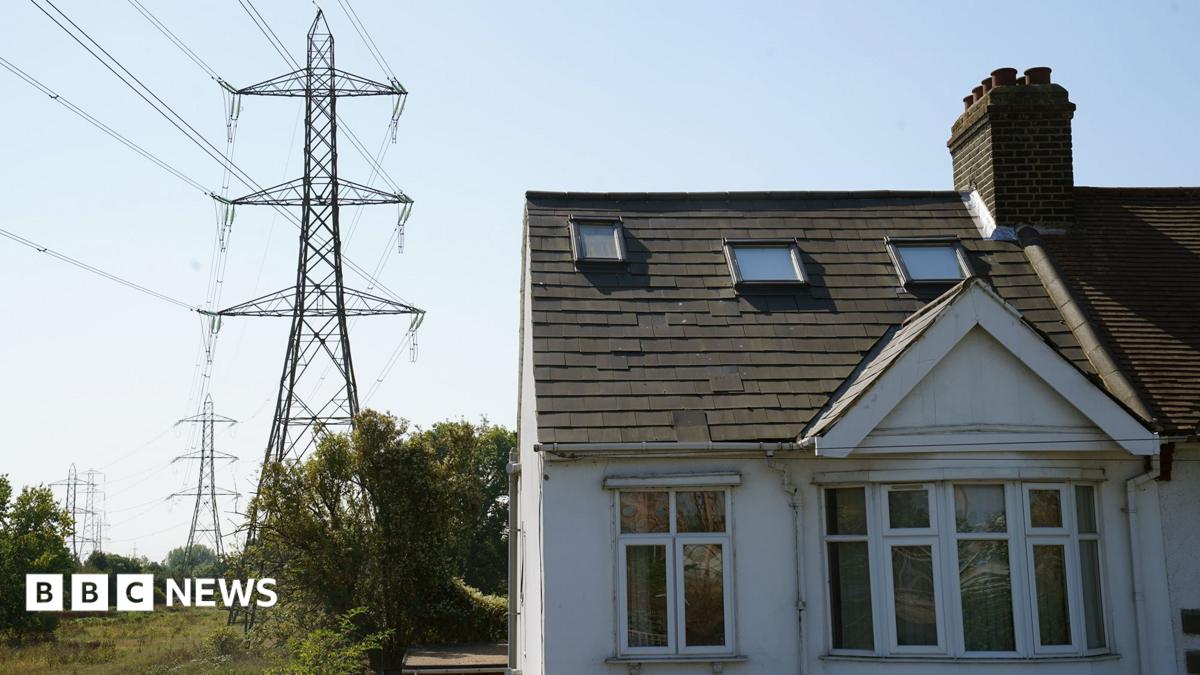
The UK government has struck a deal with National Grid to offer households within 1,600 feet of newly upgraded electricity pylons an annual £250 discount on their electricity bills. This is not a handout for existing infrastructure; it applies specifically to areas where taller, higher-capacity pylons are being installed to carry renewable power from offshore wind farms and remote generation sites to population centers. The context here is a massive infrastructure build-out that the UK needs to hit net-zero targets, and a political recognition that local communities have been bearing the costs of national energy policy without seeing the benefits.
For small-business operators, this matters in ways the headline does not immediately suggest. First, if you own property or operate near these upgrade corridors, your own energy costs may eventually be negotiable in similar fashion, though the current deal covers households only. Second, the pattern is instructive: when infrastructure projects face local opposition, compensation becomes the political release valve. If you are in logistics, construction, or professional services tied to the energy transition, expect this model to spread. The £250 figure also establishes a benchmark. Future disputes over solar farms, battery storage sites, or substations will likely reference this number, and smart operators should track whether commercial properties get folded into similar schemes.
What is genuinely new here is the formalization of proximity-based compensation for grid infrastructure, not generation assets. Wind farms have long offered community benefit funds; this extends the principle to the wires themselves. We are skeptical of the 1,600-foot threshold, which appears arbitrary and may prove contentious. Why that distance and not 2,000, or visual-line-of-sight? The original text does not explain the methodology, and we suspect legal challenges or boundary disputes will follow. We also note the silence on whether this discount follows the homeowner or stays with the property, a detail with significant implications for property transactions in affected areas.
The downstream effects split unevenly. Property owners near pylons get a modest but real offset; renters likely see nothing unless landlords pass it through, which the scheme does not appear to require. Estate agents in pylon-adjacent areas now have a new variable to market, or a new stigma to manage depending on buyer perception. More broadly, this validates the principle that infrastructure externalities should be priced, which could embolden campaigns against other projects. If £250 is the going rate for pylon proximity, what is the price for living near a new motorway, freight rail line, or data center? The Treasury and infrastructure planners will face pressure to standardize or defend ad hoc numbers.
Watch whether this scheme expands to commercial properties, whether the discount is inflation-linked, and whether opposition groups treat £250 as adequate or insulting. The offshore wind targets are aggressive; dozens more pylon routes are planned. For operators, two actions make sense now. If you own property near announced grid upgrades, document your distance and register for any forthcoming scheme before bureaucratic backlogs form. If you serve the energy supply chain, treat community compensation as a line item in project bids, because it is becoming a standard cost of doing business rather than a discretionary extra.
The broader signal is that Britain is inching toward a more transactional relationship between infrastructure and locality. The old model of imposing national projects and dismissing local grievances is fading, replaced by explicit pricing of inconvenience. Whether £250 buys social license at scale remains an open question, but the precedent is now set.
“Households living within 1,600ft of upgraded pylons will get £250 a year off their electricity bills.” — BBC Business
Takeaway: Document your property's distance from any planned grid upgrades now, and treat community compensation as a standard project cost in energy-sector bids.
Excerpt from the original — BBC Business
Households living within 1,600ft of upgraded pylons will get £250 a year off their electricity bills.