UpTrajectory Review
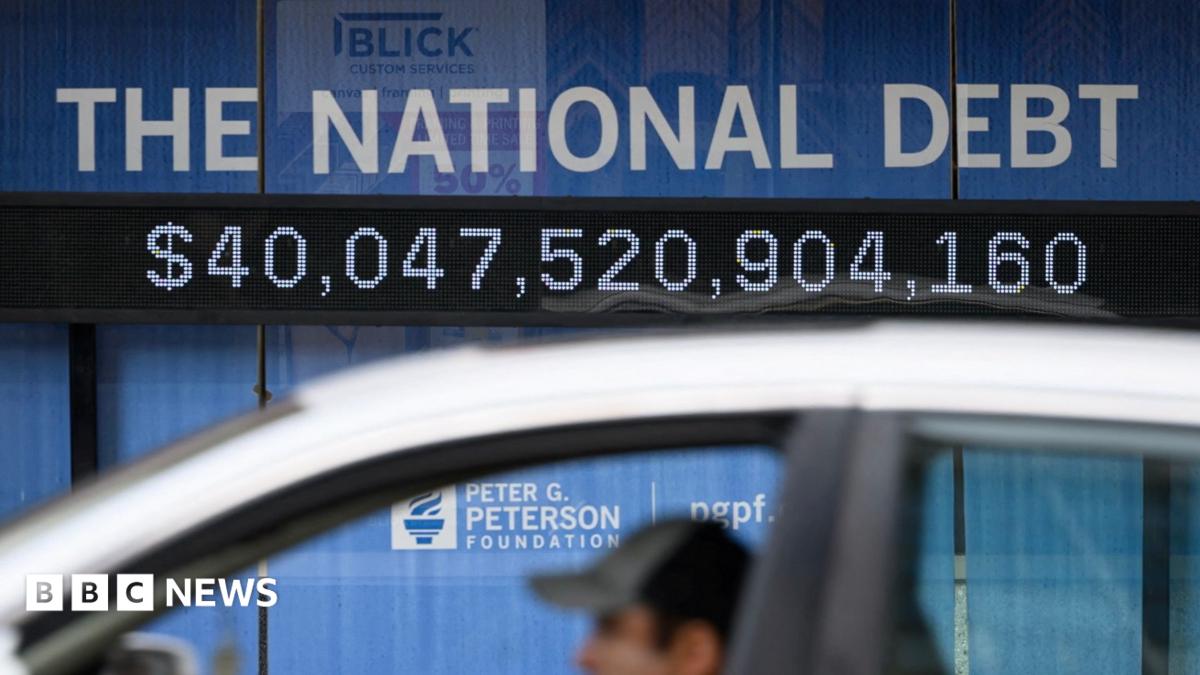
The United States federal debt has crossed $40 trillion, a figure that has more than doubled in just ten years according to Treasury data. For context, this means the federal government now owes roughly $120,000 for every American, a burden that was half that size when many current small business owners were launching their companies. The milestone itself is less important than the trajectory: debt accumulation has accelerated through multiple administrations and economic conditions, suggesting structural drivers rather than temporary emergencies. The source headline promises implications for small business borrowing, but the excerpt provided offers no specifics on interest rates, lending standards, or credit availability. We are left to infer the mechanisms.
For small business operators, federal debt levels matter primarily through their effect on interest rates and credit allocation. When the Treasury issues massive quantities of bonds to finance this debt, it competes with private borrowers for capital. In normal conditions, this crowding-out effect raises the price of money for everyone else. The Federal Reserve's recent rate hikes, undertaken partly to combat inflation that itself stemmed from pandemic-era fiscal expansion, have already pushed small business loan rates to levels unseen in fifteen years. A contractor seeking equipment financing, a retailer building inventory for holiday season, or a restaurant owner refinancing a pandemic-era loan now faces monthly payments that can consume margins previously considered healthy.
What is genuinely contested here is whether this debt level is sustainable or consequential at all. Some economists argue that because the U.S. borrows in its own currency and global demand for Treasuries remains robust, the debt-to-GDP ratio matters less than political narratives suggest. Others counter that interest payments on the debt now exceed defense spending, creating a fiscal feedback loop where borrowing services past borrowing. The source offers no resolution, and we are skeptical of headline framing that treats $40 trillion as an automatic crisis for small business without specifying transmission channels. The milestone is symbolic; the interest rate environment is material. Conflating the two serves readers poorly.
The downstream effects distribute unevenly. Large corporations with investment-grade ratings and access to capital markets can still borrow at spreads that reflect their individual creditworthiness rather than macro fiscal conditions. Small businesses, dependent on bank loans and often personally guaranteed, face both higher absolute rates and tighter underwriting standards as regional banks themselves absorb Treasury-market volatility. The $40 trillion figure also constrains fiscal space for programs that directly benefit small operators: SBA loan guarantees, disaster assistance, and infrastructure spending that determines whether Main Street gets repaved or remains inaccessible. A debt crisis, should one materialize, would trigger austerity that small businesses experience first and recover from last.
Watch the ten-year Treasury yield, not the debt clock. That yield determines the baseline for most commercial borrowing, and its movements in coming months will signal whether markets are pricing sustained fiscal expansion or anticipating corrective policy. Small business operators should lock in fixed-rate financing where possible, stress-test cash flow assumptions against rates two percentage points higher than current offerings, and monitor whether Congress addresses the 2017 tax provisions expiring in 2025, which would alter after-tax returns substantially. The $40 trillion headline is attention-grabbing; the quarterly refunding announcements from Treasury, far less so, but they are what actually determines your next loan payment.
What the original coverage likely explores in depth, based on the headline framing, is whether political pressure to reduce deficits translates into spending cuts, tax increases, or continued borrowing that pressures the Federal Reserve to accommodate. Each path carries distinct implications for small business. The excerpt provided is too thin to judge whether the BBC delivers on this promise, but the framing suggests a conventional debt-crisis narrative that may overstate immediacy while understating the structural factors, demographic and entitlement-driven, that make this trajectory nearly automatic without legislative action that neither party has seriously proposed.
“The debt has more than doubled in a decade to reach a milestone $40tn” — BBC Business
Takeaway: Watch Treasury yields, not debt headlines, and lock in fixed-rate financing before fiscal uncertainty drives borrowing costs higher.
Excerpt from the original — BBC Business
The debt has more than doubled in a decade to reach a milestone $40tn (£29.4tn), Treasury figures show.