
UpTrajectory Review
Andrew Rechenberg's MarketWatch piece tackles a paradox that has frustrated anyone who has bought a steak or planned a menu this year: domestic beef prices stay stubbornly high even as the United States brings in record volumes of imported beef. The headline frames the tension plainly — Washington's answer to expensive beef has been to open the gates wider, and yet the relief never reaches the checkout line. The available text is a single sizzling line, so the full article almost certainly walks through the supply-and-demand mechanics behind the disconnect. We can sketch the context ourselves: the U.S. cattle herd has shrunk to multi-decade lows after years of drought forced ranchers to liquidate breeding stock, and a smaller herd means fewer calves, which means less domestic beef regardless of how much foreign product arrives at the docks.
For a small-business operator, this is not an abstract commodity story. It is a margin story. If you run a diner, a burger joint, a barbecue counter, a catering kitchen, or a grocery with a butcher case, beef is one of your most visible and most volatile costs. When wholesale ribeyes and ground chuck climb, you face the same three bad choices every time: raise menu prices and risk losing customers, shrink portions and risk losing trust, or absorb the hit and watch your margins thin to paper. Rechenberg's framing suggests the import strategy was supposed to soften that blow. It has not, and operators who budgeted for relief based on headlines about record imports have learned an expensive lesson about the difference between volume arriving and prices falling.
What is genuinely new here is the willingness to call the policy a failure in plain language. The conventional wisdom in agricultural economics holds that more supply, wherever it originates, should ease prices. Rechenberg argues the opposite has happened, and the sizzling metaphor signals he intends to hold policymakers accountable rather than shrug and blame global markets. We agree with the skepticism. Imports of lean processing beef from Australia, Brazil, and elsewhere do add volume, but they do not rebuild the domestic herd, and they do not address the structural bottleneck: too few cattle moving through U.S. feedlots to satisfy demand. Pouring imported beef into that gap is like adding a garden hose to a swimming pool with a hole in it.
The second-order effects ripple outward in uneven ways. Large packers and multinational meat companies can arbitrage the spread between cheap imported lean trim and expensive domestic cuts, which protects their margins even when retail prices climb. Independent ranchers, meanwhile, face higher input costs and a years-long rebuild cycle before herd numbers recover. Consumers trade down from steaks to ground beef, which tightens demand for the very cuts that rely on imported lean meat to blend, creating a feedback loop that keeps prices elevated across the board. Restaurants that built their identity around premium beef face the sharpest squeeze, because their customers expect a quality experience that cheaper substitutes cannot deliver.
Watch the U.S. Department of Agriculture's cattle inventory reports and the monthly Cattle on Feed numbers for signs the herd is stabilizing. A meaningful rebuild will take two to three years even under ideal conditions, so do not plan your 2025 food costs around a price collapse. In the meantime, revisit your supplier contracts, lock in forward pricing where your volume justifies it, and consider menu engineering that shifts emphasis toward proteins with more stable cost structures. If you operate in a community where ranching matters, this story also carries a local dimension: every dollar spent at retail that does not reach the producer accelerates consolidation and shrinks the rural economy your town depends on.
Takeaway: Record beef imports have not lowered prices; budget for elevated beef costs through 2025 and lock in supplier pricing now.
Excerpt from the original — MarketWatch Top Stories
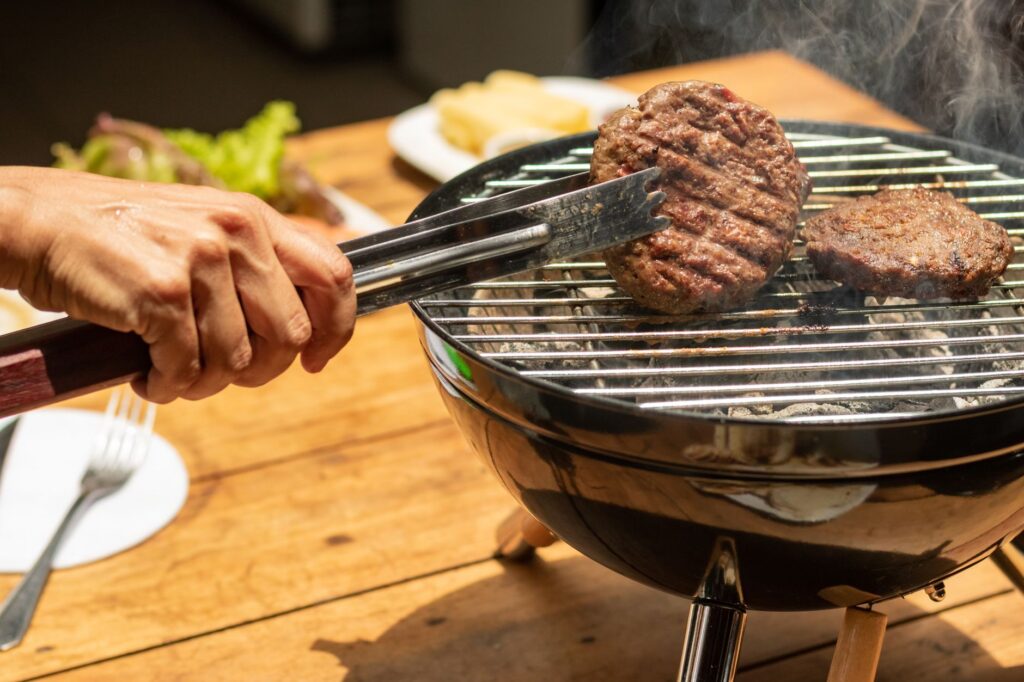
Beef prices are sizzling and Washington’s recipe for high costs — import more meat — only grills your wallet.