UpTrajectory Review
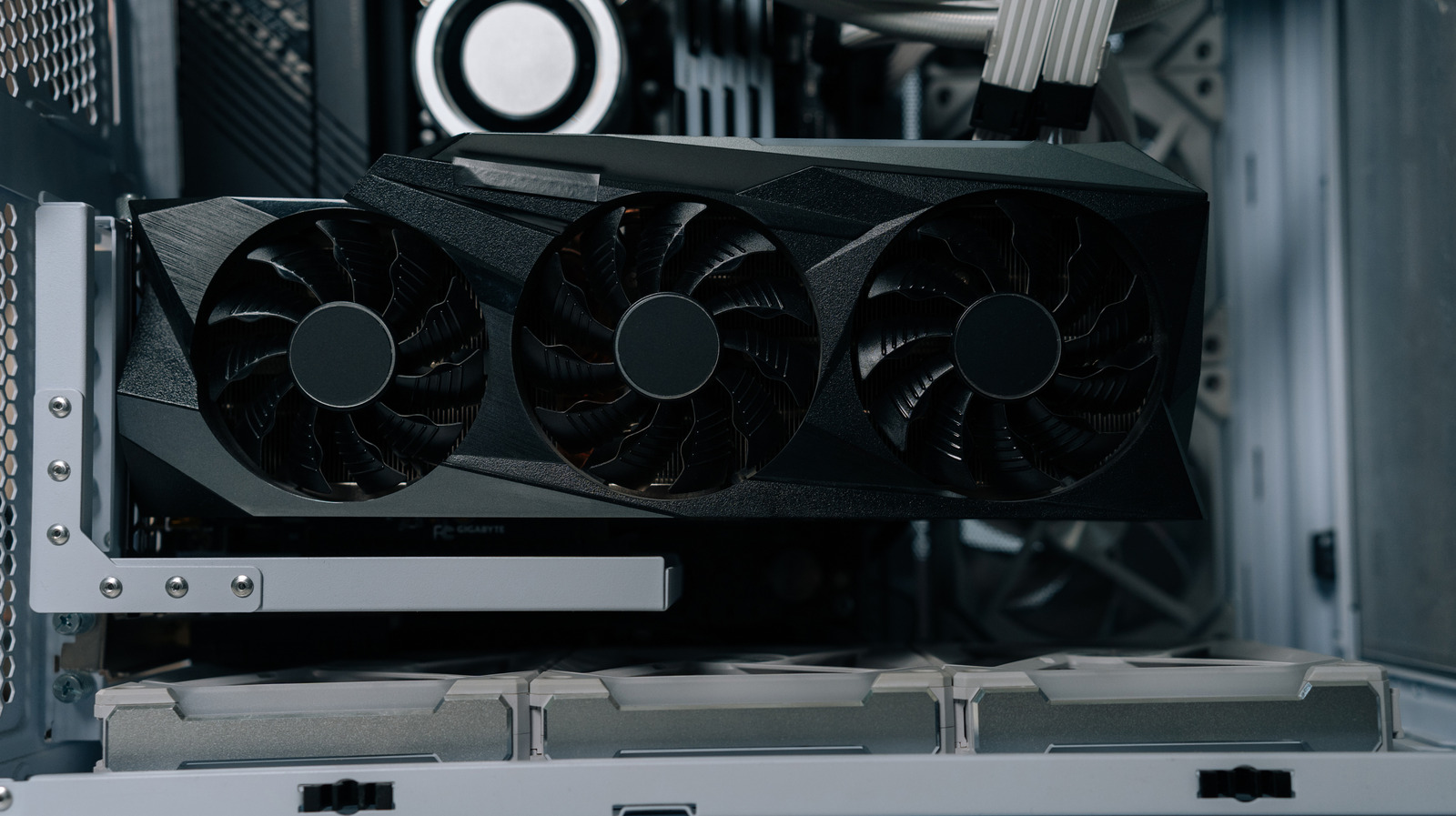
Engadget's piece is a short pointer to a phenomenon the tech press has been circling for months: the collapse of conventional memory supply, dubbed 'RAMaggedon,' has pushed up the value of older components that still carry usable RAM. The argument, in essence, is that a graphics card you retired two or three years ago may now be worth more on the secondary market than you paid for it, or at least more than you assumed. That is a striking claim for anyone who treats old hardware as e-waste, and it deserves more attention than the headline gives it.
For a small-business operator, this is not a curiosity. If you run a shop, a studio, a repair bench, or any operation that upgrades workstations on a cycle, you are sitting on inventory you may have written off entirely. The piece suggests that the RAM shortage has made even modest GPUs attractive to buyers who need memory capacity and cannot get it through normal channels. That means the box of retired cards in your storage room is, right now, a liquid asset. The practical move is to audit what you have, check current resale prices, and sell into the spike rather than wait for it to normalize.
What is genuinely new here is the mechanism. Memory shortages have historically driven up prices for new modules, but the spillover into used GPUs is a second-order effect that most coverage has missed. We are skeptical of the 'goldmine' framing, because not every old card benefits equally; high-memory models from the last few generations are the ones seeing real premiums. But the underlying point is sound: scarcity in one component class revalues everything that contains it. That is a useful lens for thinking about hardware cycles more broadly.
The downstream effects cut in both directions. If you are a buyer, the same dynamic means that upgrading now costs more and that used-market prices may stay elevated until supply catches up. If you are a seller, you face a timing question: the premium exists because the shortage is acute, and it could erode quickly once new capacity comes online. There is also an e-waste angle. Keeping old cards in circulation longer is better than shredding them, but only if they are tested, honestly described, and sold to buyers who actually need them rather than speculators.
Watch memory pricing indices and lead times from major suppliers over the next two quarters. If the shortage persists, the used-GPU premium will hold and may spread to other component classes. If you have hardware to sell, list it now while the spread between your cost basis and the market price is widest. If you need to buy, consider delaying non-essential upgrades or exploring refurbished channels that have not yet fully repriced. The window is open, but it will not stay open indefinitely.
“Your old GPU could be a goldmine thanks to the RAMaggedon.” — Engadget
Takeaway: Audit your retired GPUs and list high-memory models now; the RAM shortage has created a temporary resale premium that will not last.
Excerpt from the original — Engadget
Your old GPU could be a goldmine thanks to the RAMaggedon.