
UpTrajectory Review
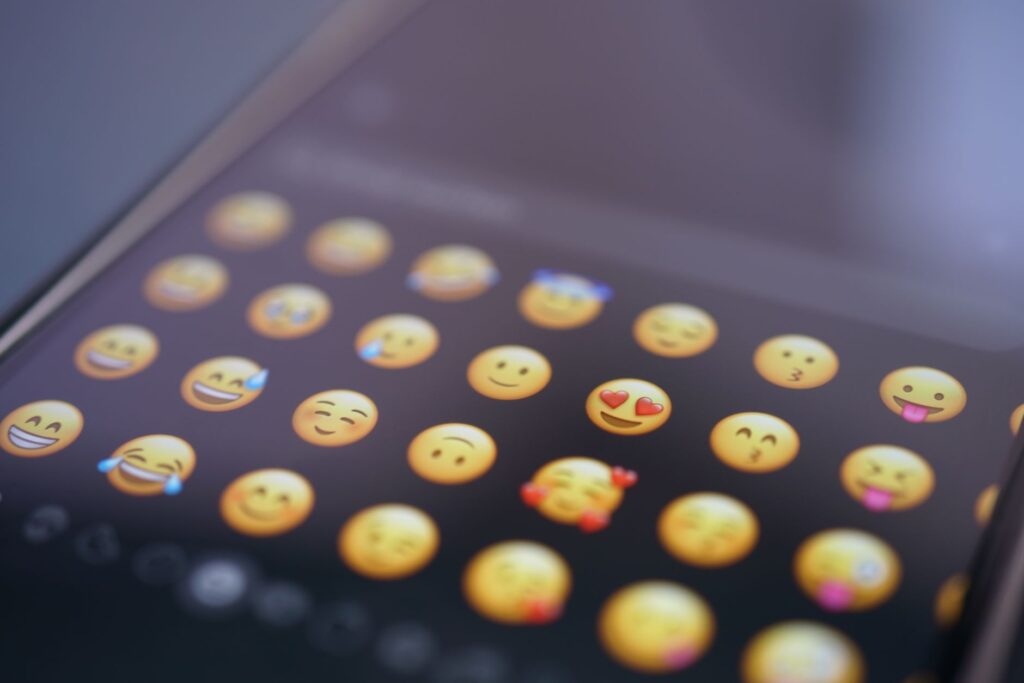
Small Business Trends reports that Android is rolling out three-dimensional emoji designs, announced around World Emoji Day, and argues small businesses should fold these richer graphics into their marketing. The piece also notes a shift in emoji fashion: the old 'face with tears of joy' has yielded ground to the 'crying' emoji, which users now deploy for a broader, more dramatic range of feelings. Full-body animal emojis, the article adds, now beat floating heads in user preference. Treat this as a design refresh with a behavioral signal attached, not as a mandate to rewrite your brand voice.
For a small operator, emoji use is a real conversion lever. Your customers read texts, subject lines, and social captions on small screens, and a well-placed emoji can carry tone that plain text flattens. The article's claim that the brain processes emojis faster than text matters most where you fight for attention: email subject lines, push notifications, Instagram captions, and reply snippets in chat support. If you run a cafe, salon, or boutique, a 3D coffee cup or full-body dog in a Tuesday-special post can read warmer than a sentence of adjectives, and warmth is what a local brand sells.
What is new here is the 3D treatment and the dramatization trend, not the idea that emojis work in marketing. We agree with the piece that richer, more expressive glyphs can make a small brand feel current, and we credit it for tying design changes to user behavior rather than treating emoji as a gimmick. We are skeptical of any implication that one crying emoji outranking another crying-with-laughter emoji rewrites your playbook. Emoji fashion moves fast; last year's staple becomes this year's cringe. Build a small, stable set that fits your voice and test new arrivals against it instead of chasing every refresh.
The second-order effects split by audience and channel. Younger customers read 3D emoji as normal; older or more formal buyers may read heavy emoji use as unserious, so a B2B shop or a professional service should use fewer and plainer glyphs than a bakery or a pet groomer. Accessibility also matters: screen readers describe emojis aloud, and a string of them turns a snappy caption into noise for blind users. Downstream, expect inbox providers and platforms to keep weighting engagement, so emoji-heavy subject lines that lift opens today may train filters or fatigue readers tomorrow. The cost of misuse is not a fine; it is a brand that reads try-hard.
Watch two things next: whether iOS and the major platforms follow with their own 3D sets, since a split look across devices can break a carefully styled post, and whether your own metrics move when you A/B test an emoji subject line against a plain one. Do this now: pick three emojis that match your brand, add them to your style guide with a note on tone and frequency, test one 3D-style emoji in your next campaign, and retire any glyph that your audience ignores or that a screen reader turns into clutter. If a symbol does not earn its place in a customer's glance, cut it.
“As customer interactions increasingly take place digitally, understanding these shifts can help businesses better connect with their audience.” — Small Business Trends
Takeaway: Adopt a small, on-brand emoji set, A/B test 3D emojis in one campaign, and drop any glyph that screen readers mangle or customers ignore.
Excerpt from the original — Small Business Trends
The digital landscape continues to evolve, particularly in the way we communicate, and emojis have become a vital part of our online interactions. This shift was highlighted on World Emoji Day, as Android announced significant upgrades to its emoji offerings, including a move toward three-dimensional designs. Small business owners should take note: these changes not only enhance personal communication but also present new avenues for marketing and customer engagement.
Emojis, once mere symbols for straightforward emotions, have transformed into essential tools for nuance in digital conversations. As user engagement shifts towards richer, more layered communication, businesses must adapt. Modern emoji usage shows a growing trend towards dramatization. The “face with tears of joy” () emoji, previously the most popular, has given way to more complex expressions like the …