
UpTrajectory Review
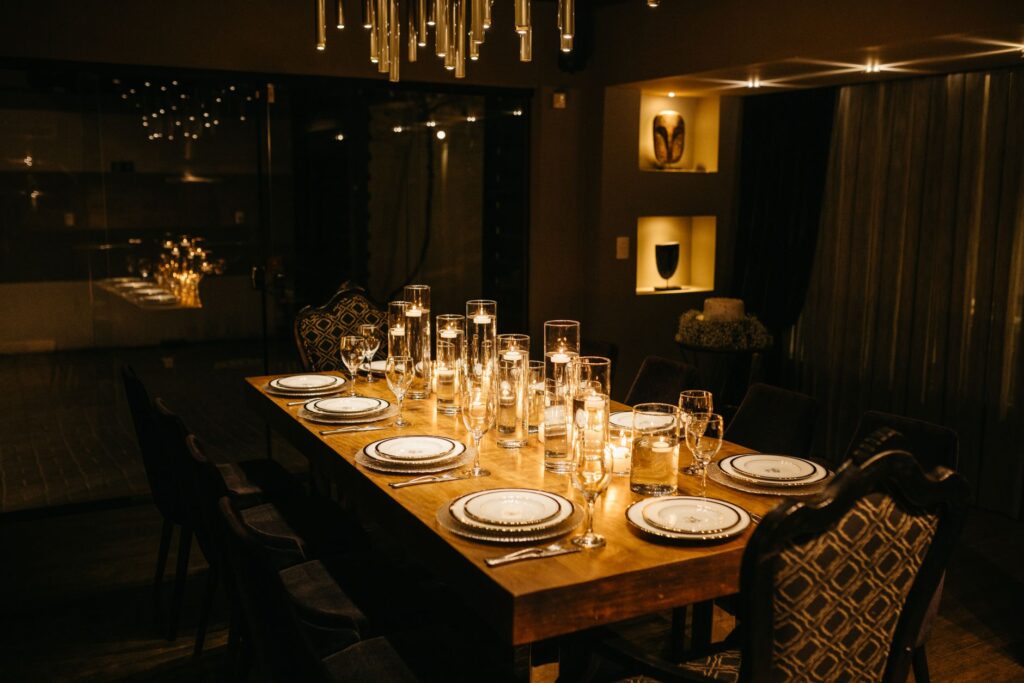
Rachel Cope, the restaurateur behind Oklahoma City's Cheever's Cafe and other concepts, has laid out her formula for turning a good dining experience into a great one, and Nation's Restaurant News has distilled it into five elements of restaurant atmosphere. The available text is thin — it promises a framework rather than delivering the full argument — but the framing alone tells operators something worth sitting with: atmosphere is not decoration or vibe, it is a designed outcome with identifiable components. Cope has built her reputation on concepts that feel specific and personal rather than focus-grouped, which gives her prescription more weight than the generic 'create ambiance' advice that fills trade publications. The full piece almost certainly walks through her five elements in detail; what the excerpt establishes is that she treats atmosphere as a discipline, not an accident.
For a small-business operator running a restaurant, bar, or even a retail food concept, this matters because atmosphere is one of the few competitive levers that does not require outspending a chain. A 40-seat independent restaurant cannot match a national group's purchasing power or marketing budget, but it can control lighting, sound, pacing, staff warmth, and the physical details guests notice without always naming them. Cope's point, as framed here, is that guests distinguish between good and great based on atmosphere, and that distinction drives repeat visits, word of mouth, and the willingness to pay full price without a coupon. Operators who treat atmosphere as an afterthought — something to fix once the menu and margins are sorted — are leaving the most durable differentiator on the table.
What is genuinely useful about Cope's approach, even in this abbreviated form, is the insistence that atmosphere has ingredients, the same way a dish does. That framing pushes back against the lazy assumption that atmosphere is either innate taste or expensive renovation. We are inclined to agree with her premise: the restaurants people remember tend to be the ones where someone made deliberate choices about music volume, table spacing, server timing, and the sensory register of the room. Where we would push back, or at least ask a follow-up, is whether a five-element framework risks flattening the regional and cultural specificity that makes independent restaurants matter. Atmosphere in Oklahoma City should not look like atmosphere in Portland or Miami, and operators should treat any framework as a starting point for their own point of view, not a checklist to copy.
The second-order effects of taking atmosphere seriously are real but easy to underestimate. Deliberate atmosphere choices cost money upfront — better lighting, sound treatment, staff training, plateware — but they compound over time through higher check averages, stronger reviews, and lower reliance on discounting. There is also a labor dimension: staff who work in a room designed with intention tend to take more pride in service, which guests feel even if they cannot articulate it. The risk runs the other direction too. Operators who chase atmosphere trends — the current farmhouse-everything or neon-sign-and-velvet phase — can spend heavily on a look that dates fast. Cope's own restaurants lean on personal, place-rooted specificity, which ages better than borrowed aesthetics.
Watch how other operators and consultants respond to Cope's framework in the coming months. If her five elements get adopted, adapted, or argued with across trade coverage and industry panels, that signals the conversation is shifting from 'ambiance as vibe' toward 'atmosphere as operating discipline.' In the meantime, the practical move for any operator reading this is to walk your own dining room this week with fresh eyes: sit at three different tables, listen to the room at peak hour, and note the three details a first-time guest would remember. Then ask whether those details are the ones you want remembered. If the full piece delivers Cope's five elements with the specificity her reputation suggests, it is worth a slow read and a staff meeting.
“If you want guests to have a great experience instead of just a good one, restaurateur Rachel Cope says these are the ingredients that must be included” — Nation's Restaurant News
Takeaway: Treat atmosphere as a designed discipline, not decoration: audit your room, lighting, sound, and pacing this week, then fix the three details guests actually remember.
Excerpt from the original — Nation's Restaurant News
If you want guests to have a great experience instead of just a good one, restaurateur Rachel Cope says these are the ingredients that must be included