
UpTrajectory Review
The Verge's Justine Calma reports from the COP31 climate conference in Antalya, Turkey, where delegates spent the week confronting a collision the clean energy transition cannot avoid: the world must electrify everything — vehicles, heating, industry — at the exact moment AI data centers are devouring electricity at unprecedented rates. The conference closed Sunday in chaos and disappointment, with nations again failing to align climate commitments against this new and voracious demand. Calma frames the stakes plainly: cutting emissions enough to blunt extreme weather, coastal flooding, and drought requires a massive buildout of clean power, yet data center growth threatens to consume the very capacity that buildout was meant to create.
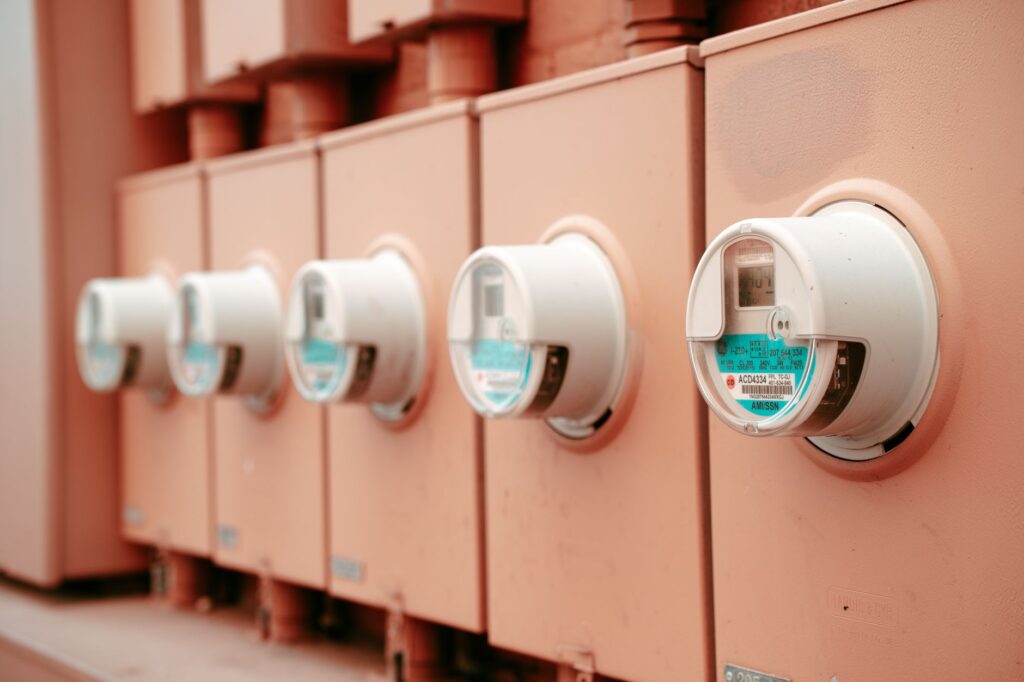
For a small-business operator, this is not an abstract policy story. Electricity demand from AI facilities is already reshaping utility planning, and utilities pass infrastructure costs to ratepayers. If you run a shop, a warehouse, a restaurant, or any operation with meaningful power draw, your utility bill over the next three to five years will reflect decisions made at conferences like COP31 and in regional grid-planning rooms you will never see. Small businesses lack the leverage large industrial customers wield to negotiate rates or secure dedicated supply. You will absorb the increases. Understanding why the increases arrive — and who drives them — equips you to plan, budget, and push back.
What stands out in Calma's framing is the tension she identifies but the conference failed to resolve: the electrification agenda and the AI boom are competing for the same electrons, and no global framework currently governs how that competition plays out. We agree with her skepticism about the outcome. COP31's chaotic close suggests delegates understand the problem but cannot coordinate a response. The under-reported angle here is how little transparency exists around data center energy consumption. Tech companies rarely disclose facility-level power draw, and utilities often shield large customers behind confidentiality agreements. Small businesses and residential ratepayers foot the bill without knowing who triggered it.
The second-order effects cut unevenly. Large tech firms can sign power purchase agreements, build on-site generation, or site facilities near cheap energy. Small businesses cannot. Communities hosting data centers gain some tax revenue and construction jobs but bear the grid strain and, in many cases, higher local rates. Meanwhile, the clean energy buildout the climate crisis demands requires permitting reform, transmission investment, and manufacturing scale-up — all of which take years. Data center demand, by contrast, scales in months. The mismatch means fossil fuel generation may fill the gap, undermining the emissions goals everyone at COP31 claimed to support. The cost lands on your utility bill and in the air your community breathes.
Watch what happens next at the regional and national level, where the real decisions about grid capacity and rate structures get made. In the United States, the Federal Energy Regulatory Commission and state public utility commissions will determine how data center costs get allocated among customer classes. Some states are already debating whether large data center customers should pay a premium or commit to bringing their own generation. Small business owners should track these proceedings, submit comments when utilities propose rate hikes, and ask their industry associations whether they are engaging on this issue. The COP stage is theater. The utility commission hearing room is where your bill gets written.
“The clean energy revolution hinges on electrifying the entire global economy just as power-hungry data centers are surging.” — The Verge
Takeaway: Track your utility's rate cases and data center interconnection filings — your next three years of power costs are being decided now.
Excerpt from the original — The Verge
People protest outside the plenary ahead of the closing plenary session on the final day of the COP31 UNFCCC climate conference on November 20th in Antalya, Turkey. | Photo: Getty Images
The clean energy revolution hinges on electrifying the entire global economy just as power-hungry data centers are surging. It's a challenge delegates from all over the world had to grapple with during the United Nations climate conference, called COP31, that came to a chaotic and unsatisfying close in Antalya, Turkey, on Sunday.
Each year, attendees try to make good on the commitment to stop climate change as part of the 2015 Paris climate accord. Preventing extreme weather from growing more terrifying, coastal communities from flooding, and droughts from wrecking food and water systems requires slashing greenhouse gas emissions. But in or …
Read the full story at The Verge.