
UpTrajectory Review
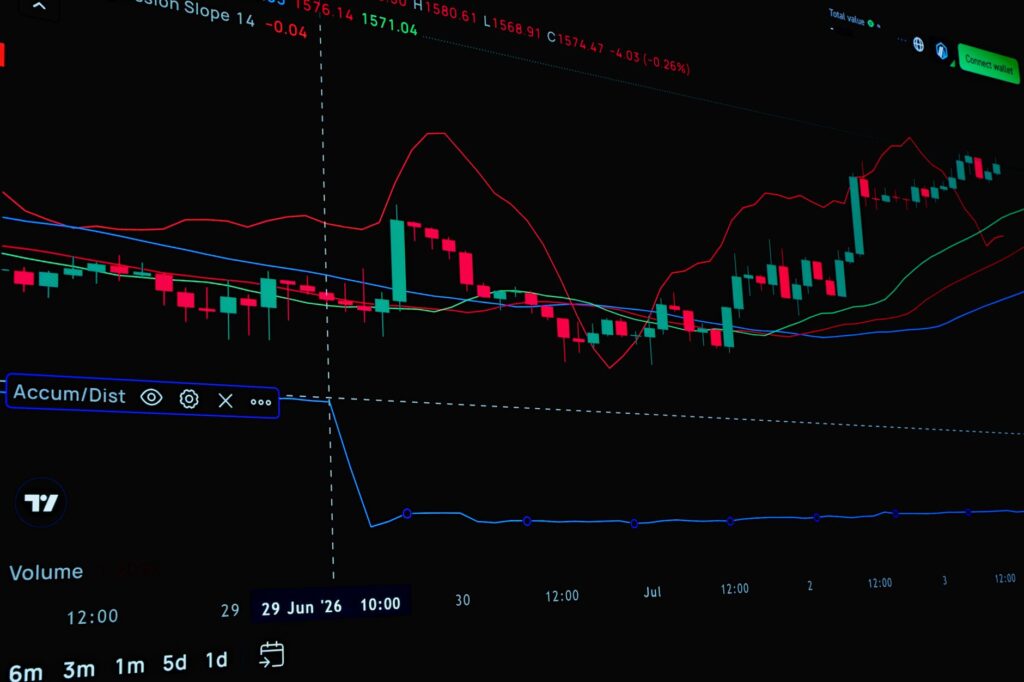
Taiwan Semiconductor Manufacturing Co. (TSMC) delivered third-quarter earnings that beat forecasts, yet its stock price fell 2% anyway. This apparent contradiction reflects a sharp reversal in how investors are valuing artificial intelligence companies and their suppliers. The selloff began after social media chatter about debt levels at CoreWeave, a startup offering cloud computing infrastructure for AI workloads. What makes this notable is not TSMC's operational performance—which remains strong—but the sudden disconnect between fundamentals and market price, signaling investor panic rather than rational repricing.
For small-business owners, this matters directly. Many are now evaluating whether to invest in AI tools, cloud services, or infrastructure, often influenced by vendor stability and pricing. When major suppliers like TSMC see stock volatility tied to sector-wide sentiment rather than their own results, it can translate into pricing pressures, shifting contract terms, or delayed product roadmaps filtering down to customers. If CoreWeave or similar providers face financing stress or collapse, startups relying on their services face sudden disruption. The AI investment cycle that felt inevitable six months ago is now openly questioned, making commitments to AI-heavy strategies riskier.
The genuinely newsworthy element here is the speed of sentiment reversal. One social media post about a single company's debt triggered a broader flight from AI stocks, suggesting the market was priced for perfection and carrying fragile confidence. The original item appears to focus on TSMC specifically, but the real story is the contagion: if investors will abandon a company with strong earnings due to sector-wide jitters, the AI infrastructure buildout may slow faster than most anticipated. This is not yet a crash, but it signals thin margins for error among newer AI providers and lower tolerance for execution missteps.
The secondary effects ripple outward. Startups planning to raise capital for AI initiatives will face higher skepticism and tighter terms from venture firms now bracing for correction. Hardware suppliers, cloud providers, and AI software vendors may all see demand forecasts revised downward as corporate customers postpone commitments. Conversely, this correction may benefit small operators who were priced out of AI infrastructure—if costs and competition intensity decrease, earlier entry points could improve. Public companies with solid fundamentals but AI exposure will likely remain volatile until confidence stabilizes.
Watch for three signals over the next quarter: whether TSMC and other AI-adjacent suppliers confirm guidance, whether CoreWeave and similar providers publicly address debt concerns or secure new capital, and whether corporate customers delay AI infrastructure purchases. Small-business operators should avoid the trap of matching investor sentiment with business reality—use this moment to audit whether your AI plans are driven by genuine operational need or hype, and whether your chosen vendors have sustainable business models independent of a frothy market.
“Investors started offloading shares on Wednesday in response to an X post about the debt load of CoreWeave Inc., an AI cloud provider.” — SiliconAngle
Takeaway: AI sector volatility may slow cloud infrastructure adoption—audit your AI strategy's true ROI before committing.
Excerpt from the original — SiliconAngle
Taiwan Semiconductor Manufacturing Co. today posted better-than-expected financial results for the third quarter, but its shares nevertheless dropped 2%. The dip is tied to a broader selloff in artificial intelligence stocks. Investors started offloading shares on Wednesday in response to an X post about the debt load of CoreWeave Inc., an AI cloud provider. The […]
The post TSMC posts strong third-quarter results, but shares drop amid AI selloff appeared first on SiliconANGLE.