
UpTrajectory Review
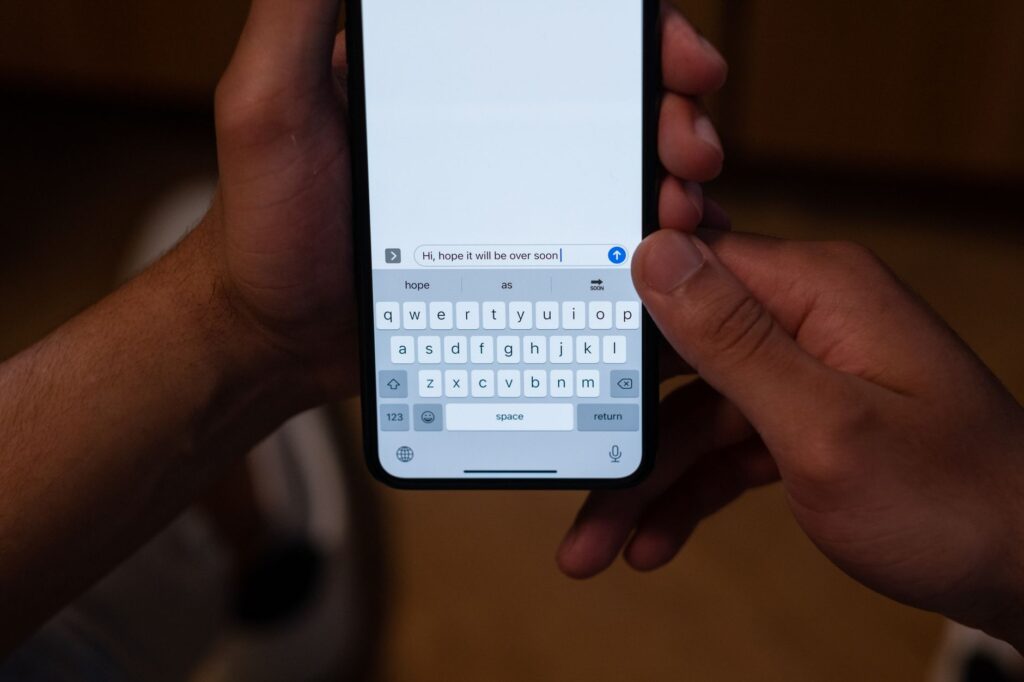
TechCrunch reports that Acti, a startup, has launched a smartphone keyboard for iOS and Android that embeds AI shortcuts directly into the typing interface. Users describe a task in natural language, and the keyboard generates a reusable shortcut that works across any app. The pitch: AI assistance without switching contexts, opening a separate app, or copying and pasting between tools. This sits inside a broader wave of AI tools hunting for a permanent home on mobile. Chatbots live in browsers or standalone apps. Voice assistants faded. Acti wagers the keyboard—the one surface every mobile task already passes through—is the natural anchor point for AI on phones.
For a small-business operator, this targets a real pain point. Mobile work still means juggling a dozen apps: email, CRM, invoicing, Slack, notes. Each switch costs attention and time. A keyboard that sits beneath every app and executes routine tasks on command could compress those micro-workflows into single taps. Think generating a quick client reply, formatting a note, or pulling a standard response without leaving the thread. Solo operators and field staff who run their business from a phone stand to benefit most. Desktop-heavy teams will care less, since their shortcuts already live in browser extensions and automation platforms.
What is genuinely new here is the placement, not the AI. Assistants like ChatGPT and Copilot already handle text generation. Acti bets the keyboard—not a chat window—is the right home. That is a contested bet. Keyboards are high-traffic but low-trust; users tolerate them for typing, not for executing commands. Privacy concerns will surface fast, especially for business users typing client data, contracts, or financial details. We are skeptical that mainstream users will grant a third-party keyboard that level of access. Power users might. The gap between those two groups will decide whether Acti becomes a tool or a curiosity.
Second-order effects cut both ways. If Acti gains traction, expect Apple and Google to build similar features natively, squeezing third-party keyboards out—a pattern seen before with swipe typing and emoji search. Platform owners control the input layer and can replicate any feature that proves popular. For operators, the risk is workflow dependency on a startup that may pivot, get acquired, or shut down. The benefit is real but fragile: time saved today, potential rebuild tomorrow. Teams that document their shortcuts and keep source templates elsewhere will lose less if the tool disappears.
Watch two things: whether Acti publishes clear data-handling policies and enterprise controls, and whether power users actually adopt custom shortcuts at scale. Most users never personalize beyond defaults. If Acti cannot make shortcut creation feel effortless, it will join the graveyard of productivity tools that solved a problem users did not feel acutely enough. The keyboard shortcut space is littered with apps that launched to applause and faded within a year because the habit never stuck.
If you run a business from your phone, test Acti with low-stakes tasks first: drafting replies, reformatting notes, generating templates. Do not route sensitive client data through it until the privacy model is clear. The efficiency gain is plausible; the durability is not. Treat it as an experiment, not infrastructure. Set a reminder to revisit in ninety days. If the shortcuts still earn their place and the company has shipped credible privacy controls, promote it to a daily tool. If not, you have lost nothing but a lunch hour.
“Acti is betting the smartphone keyboard is the next home for AI assistants.” — TechCrunch Startups
Takeaway: Test Acti for low-stakes mobile tasks, but keep sensitive data out until its privacy and durability prove out.
Excerpt from the original — TechCrunch Startups
Acti is betting the smartphone keyboard is the next home for AI assistants. The startup's new keyboard for iOS and Android works across apps and lets users create custom AI-powered shortcuts using natural language.