
UpTrajectory Review
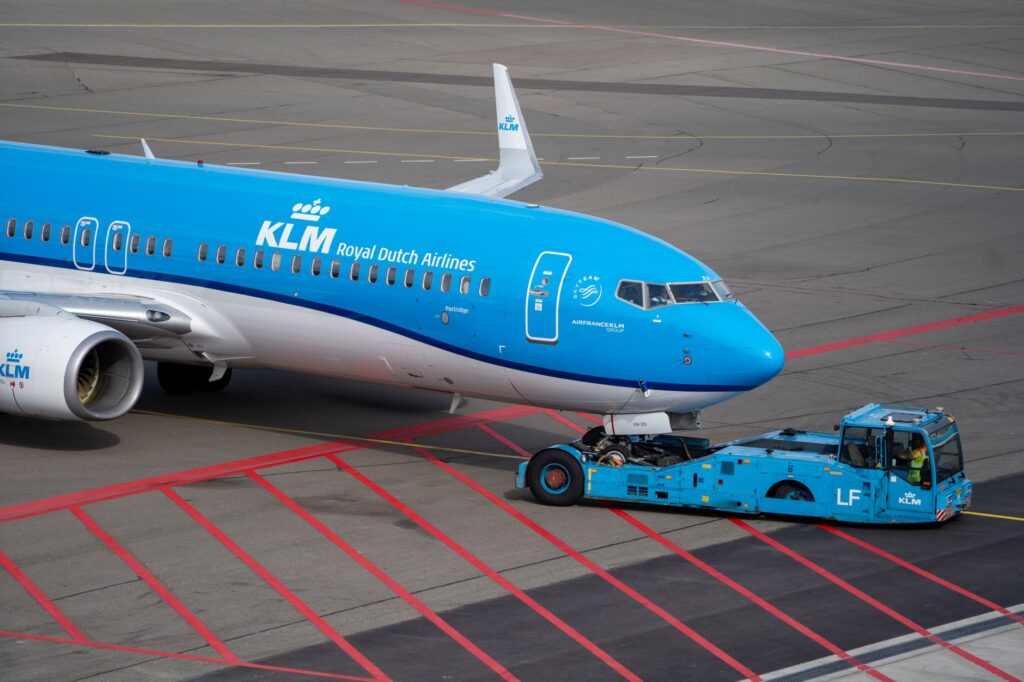
Dario Amodei, the CEO of AI startup Anthropic PBC, has published a blog post calling for mandatory third-party audits of advanced AI models and for the U.S. government to have the authority to block the deployment of systems it deems unsafe. His analogy is stark: Washington should treat dangerous AI the way the Federal Aviation Administration treats dangerous aircraft — grounded before takeoff, not investigated after a crash. The post arrives amid a broader industry debate over whether AI development is moving faster than safety protocols can track. Amodei is not a disinterested observer. Anthropic positions itself as the safety-first AI lab, so his call for regulation is both a policy argument and a competitive strategy.
For small-business operators, the stakes are practical, not philosophical. AI tools are already embedded in customer service, marketing, hiring, and inventory management. If the federal government gains the power to block AI models, the vendor you rely on today could be grounded tomorrow, with little warning and no appeal. Amodei's proposal would shift the burden of proof from users to developers, but the compliance costs will flow downstream. Small businesses already face vendor lock-in, opaque pricing, and rapid feature churn. Adding regulatory uncertainty to that mix makes vendor selection and contingency planning more urgent than ever.
What is genuinely new here is the explicit call for a pre-deployment veto, not just post-hoc enforcement. Most AI regulation proposals focus on transparency, bias audits, or liability after harm occurs. Amodei is asking for something closer to drug approval: no release until proven safe. That is a harder line than what most AI labs publicly support, and it puts him at odds with rivals who argue that overregulation will cede ground to China. The tension is real. Anthropic benefits from rules that raise compliance costs for smaller competitors, so skepticism about his motives is warranted even if the underlying safety concern is legitimate.
The second-order effects cut in multiple directions. Large AI labs with dedicated safety teams and legal departments would absorb new requirements more easily than lean startups, potentially consolidating market power. Small businesses that build on open-source models could face a chilling effect if those models fall under the same scrutiny. On the other hand, a clear federal standard could reduce the current patchwork of state laws and give businesses a single compliance target. The cost of getting this wrong is not abstract. A misaligned AI system deployed at scale could cause real economic and social harm before anyone pulls the plug.
Watch whether any federal agency actually takes up Amodei's framing. The FAA analogy is rhetorically powerful but legally fraught. The U.S. has no equivalent of the FAA for software, and creating one would require congressional action that seems unlikely in the near term. More plausible is a voluntary framework or an executive order directing NIST to develop audit standards. For operators, the practical move is to audit your own AI dependencies now. Know which vendors use which models, ask about their safety and compliance roadmaps, and build fallback workflows that do not depend on a single AI provider. The regulatory ground is shifting, and the businesses that map their exposure early will adapt faster.
Takeaway: Audit your AI vendor dependencies now; a federal pre-deployment veto could ground the tools your business relies on without warning.
Excerpt from the original — SiliconAngle
Anthropic PBC Chief Executive Dario Amodei is calling on the U.S. government to block the deployment of dangerous artificial intelligence models in the same way as it prevents unsafe airplanes from taking off. In a new post today on his personal blog, Amodei (pictured) said there need to be mandatory third-party audits of frontier AI […]
The post Anthropic’s Dario Amodei wants governments to have the power to block ‘dangerous’ AI systems appeared first on SiliconANGLE.