
UpTrajectory Review
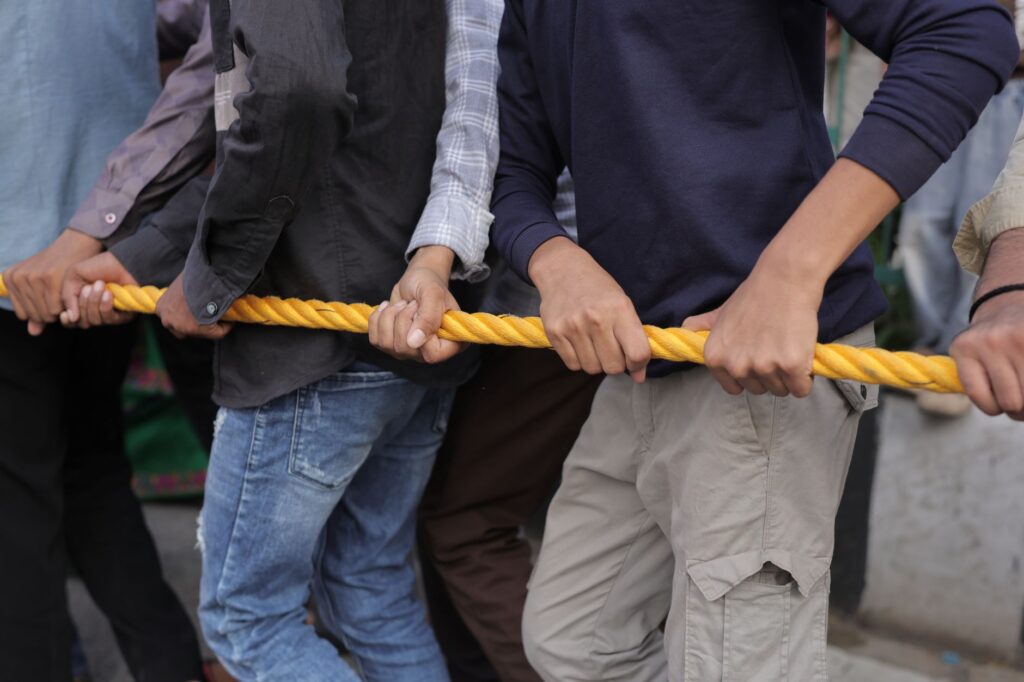
John Cook's piece in Small Business Trends argues that pairing physical activity with team-building solves a problem most small employers know too well: the awkward, forced bonding session that leaves everyone checking the clock. Cook's answer is to get people moving. Relay races demand real-time communication. Tug-of-war requires trust and coordinated effort. Scavenger hunts combine movement with problem-solving. Adventure races and group fitness classes round out the menu. The premise is sound. A shared physical challenge strips away hierarchy faster than any icebreaker in a conference room, and the endorphin lift does more for morale than a catered lunch.
For a small-business operator, the stakes are practical. Teams of five to twenty-five people live or die on trust and handoffs, not on org charts. When a warehouse crew, a retail floor team, or a group of field technicians cannot coordinate under pressure, the cost shows up in missed shipments, botched shifts, and customer complaints. Cook's exercises attack that coordination gap directly. A relay race forces the same kind of clear, quick handoffs a busy Tuesday afternoon demands. A tug-of-war teaches people to pull in the same direction, which is a decent metaphor for any small operation trying to hit a quarterly target with limited staff.
What Cook gets right is the range. He does not stop at trust falls. The inclusion of get-to-know-you games like Two Truths and a Lie and Human Bingo acknowledges that not every employee wants to sprint. That matters. A mixed-age or mixed-ability team needs a ladder of intensity, and Cook provides one, from low-exertion icebreakers to full adventure races. Where we remain skeptical is the breezy certainty that these activities greatly enhance teamwork. The research on team-building is mixed, and a poorly run exercise can breed resentment faster than camaraderie. The activity itself does not build trust. The debrief afterward does, and Cook says too little about that.
The second-order effects deserve attention. Fitness-based bonding can unintentionally exclude. Employees with disabilities, chronic pain, or simply a deep aversion to group exercise will feel singled out, not included. The competitive formats Cook favors can also amplify existing tensions. A tug-of-war between departments that already feud over resources may harden the rivalry rather than dissolve it. There is also a cost question. Adventure races and organized group classes carry price tags and scheduling burdens that a lean operation may struggle to justify. The cheaper options, like office trivia or a scavenger hunt on company grounds, often deliver the same relational payoff at a fraction of the cost.
Our advice: start with the low-cost, low-exertion options and measure the result. Run a Human Bingo session during an all-hands meeting. Try a scavenger hunt that sends pairs across the building or the neighborhood. Watch whether people talk more afterward, whether handoffs improve, whether the quietest employee suddenly has something to say. If the answer is yes, scale up to the relay races and the adventure challenges. If the answer is no, the problem is not the exercise. It is the culture the exercise was meant to patch, and no amount of tug-of-war will fix that.
Takeaway: Start with a low-cost icebreaker or scavenger hunt, then measure whether communication improves before investing in bigger fitness events.
Excerpt from the original — Small Business Trends
If you’re looking to improve collaboration within your team, consider implementing fun fitness team-building exercises. These activities not only promote physical well-being but additionally encourage communication and trust among members. From icebreakers to competitive sports, there’s a wide array of options to explore. Each exercise brings unique benefits that can greatly enhance teamwork and morale. Curious about the best exercises to get your team engaged and working together more effectively?
Key TakeawaysOrganize relay races that require teams to communicate and strategize effectively to complete various physical tasks together.
Host a tug-of-war competition to build trust and camaraderie, encouraging teamwork and cooperation among participants.
Plan a scavenger hunt that combines physical activity with problem-solving, fostering collaboration through shared …