
UpTrajectory Review
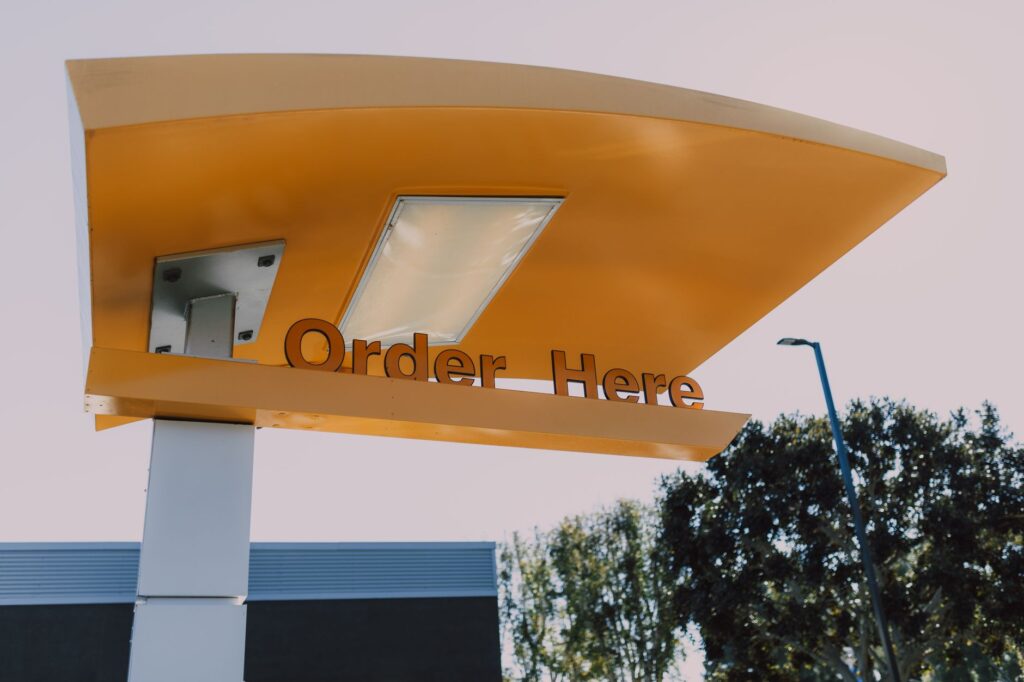
Captain D's, the quick-service seafood chain, has opened a new restaurant in San Antonio that tests a flexible design approach. The location sits at an end-cap of a retail center and includes a drive-thru. This marks the first demonstration of a format built to adapt to different real estate configurations. The chain, owned by Sentinel Capital Partners, has been pushing franchise growth as a core strategy. This test site signals how Captain D's intends to scale without demanding the large, freestanding boxes that traditional seafood chains often require.
For small-business operators in food service or retail, this matters because real estate flexibility often determines whether a concept can expand at all. End-cap spaces with drive-thru lanes open doors to shopping centers, grocery-anchored plazas, and urban infill sites that full-pad developments cannot touch. Operators watching franchise opportunities should note how Captain D's balances kitchen efficiency, parking, and drive-thru throughput in a smaller footprint. The design also affects construction costs, permitting timelines, and landlord negotiations. A format that works in multiple configurations reduces the risk of a site failing to pencil out.
What is genuinely new here is the explicit framing of design as a franchise growth tool rather than a branding exercise. Many chains refresh interiors or exteriors; fewer engineer modularity from the start. The San Antonio test suggests Captain D's has studied how competitors like Chick-fil-A and Raising Cane's squeeze high volume into tight sites. We are skeptical of one test location proving scalability, however. A single end-cap in a favorable market can hide operational bottlenecks. The real test arrives when the format faces awkward parking layouts, low-visibility corners, or drive-thru queues that spill into traffic lanes.
Second-order effects ripple outward. Landlords gain a tenant option that fills end-cap vacancies without heavy demolition. Franchisees face lower upfront build-out costs but may accept trade-offs in seating capacity or menu breadth. Competitors in the seafood segment, including Long John Silver's and regional players, will watch whether Captain D's can sustain speed of service and order accuracy in a compressed layout. Suppliers also feel the shift: smaller kitchens demand tighter inventory management and more frequent deliveries. Customers may notice fewer dine-in seats but faster drive-thru lines.
Watch for additional test openings in different market types and traffic patterns. Captain D's has not announced how many prototypes it plans or what criteria will determine rollout. Operators evaluating the franchise should request unit-level economics from existing end-cap or nontraditional sites before projecting returns. Real estate brokers should track whether the chain pursues grocery-anchored centers or urban infill next. The San Antonio location will generate early data on drive-thru times, average checks, and daypart mix. Those metrics will reveal whether flexibility sacrifices profitability or unlocks it.
Takeaway: Design flexibility now drives franchise expansion; study how smaller footprints affect unit economics before committing capital.
Excerpt from the original — Nation's Restaurant News
An end-cap, drive-thru in San Antonio is the first to demonstrate flexibility in format for the quick-service seafood chain