
UpTrajectory Review
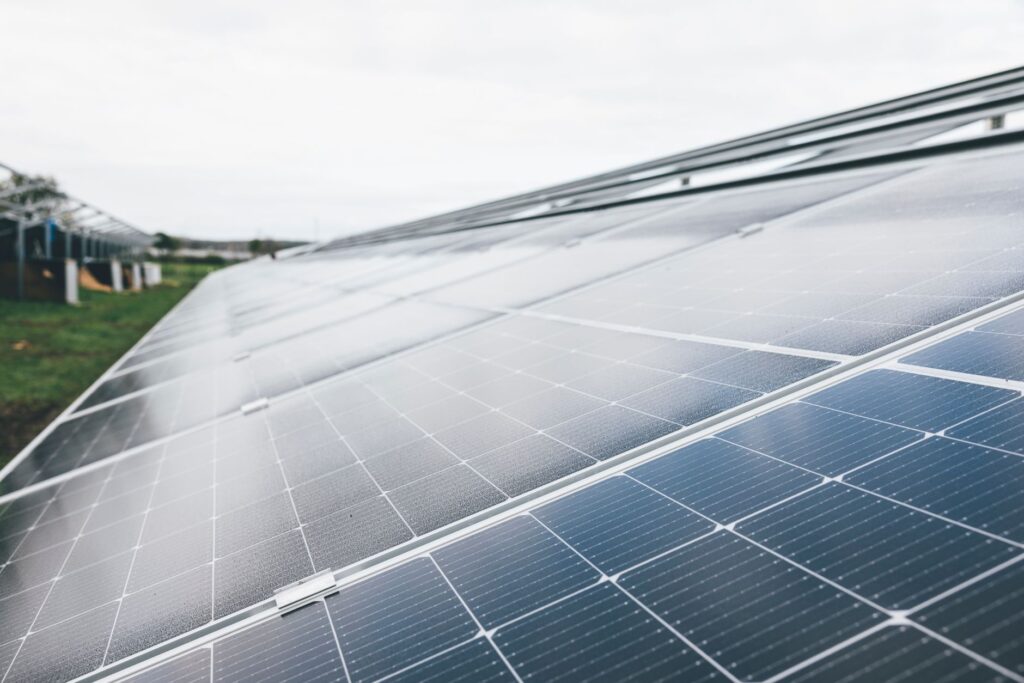
Crusoe Energy, a company focused on powering artificial intelligence infrastructure, has attracted backing from investors convinced that solar panels and battery storage can supply the massive electricity demands of next-generation data centers. The piece reports that one of Crusoe's backers sees renewable energy coupled with storage as the logical path forward as AI computing clusters consume tens of gigawatts annually. This reflects a broader industry pivot: the torrent of venture capital into AI has collided with hard limits on the electrical grid's capacity to feed these facilities, forcing builders to reimagine where and how they source power.
For small-business operators, this matters most if you depend on cloud services, edge computing, or any vendor whose infrastructure costs directly affect your subscription fees. Data center power represents a substantial, rising portion of operational expense for SaaS companies and AI service providers. If renewable energy sources and batteries can lower that cost compared to grid power or diesel backup, those savings may eventually flow to customers through pricing pressure or improved service reliability. It also signals which regions will see aggressive data center buildout and job creation over the next five years.
The genuinely new element here is not that solar and batteries exist—it is that a major investor in AI infrastructure is publicly betting they will become the dominant power model sooner than the grid alone can support demand. The claim sidesteps several technical and economic realities the original piece likely explores: solar generation is intermittent, batteries remain expensive at scale, and many data center sites lack sufficient land or sun exposure. The investor's confidence suggests either breakthrough cost curves in storage technology or willingness to co-locate AI facilities in sunny, sparsely populated regions. That is a material constraint on where AI computing actually happens.
If Crusoe and similar ventures succeed in decoupling data centers from grid dependency, two effects follow immediately. First, regions with cheap land and high solar irradiance—parts of Texas, Arizona, and the Mountain West—become infinitely more attractive to AI buildout than coastal tech hubs. Second, the electricity markets that formerly guaranteed high demand from data centers may face stranded capacity, putting downward pressure on grid rates for other commercial users. Conversely, if renewable-powered data centers proliferate, traditional energy companies lose a growth lever, which may slow their own investment in grid modernization.
Watch whether Crusoe and its peers can actually finance and operate solar-plus-battery installations at scale, and at what cost per kilowatt-hour compared to grid power. Operators should also track where the first fully renewable data centers come online and whether they face performance, latency, or reliability trade-offs during storage depletion cycles. If the model works, demand for land near solar farms and battery manufacturing capacity will spike, creating local real estate and supply-chain opportunities for communities willing to host such facilities.
“Next-generation data centers will need tens of gigawatts of power every year.” — TechCrunch
Takeaway: AI data center power costs may shift to solar-rich regions, reshaping grid economics and infrastructure investment patterns.
Excerpt from the original — TechCrunch
Next-generation data centers will need tens of gigawatts of power every year. One of Crusoe's investors thinks solar and energy storage are the obvious choice.