UpTrajectory Review
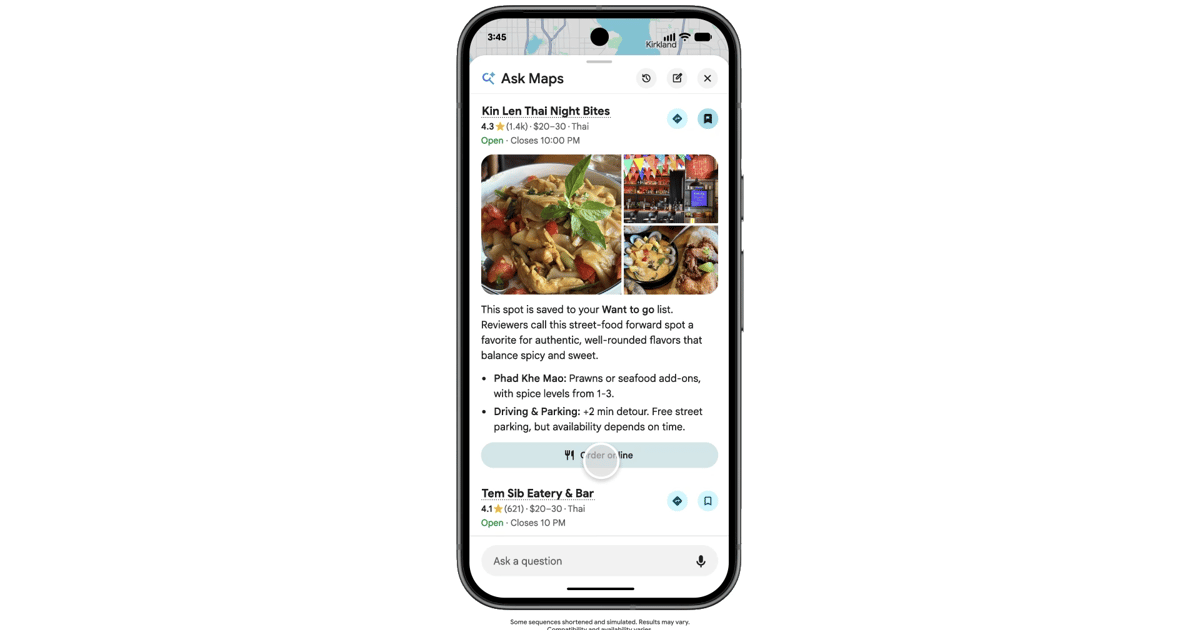
The introduction of AI-powered ordering through Google Maps marks a significant shift in how consumers interact with local restaurants. This feature allows users to seamlessly find and place orders from nearby eateries directly within the Maps app, streamlining the dining experience. For small business owners, this integration presents both an opportunity and a challenge, as it places their establishments in a competitive digital landscape where visibility and accessibility are paramount.
For small-business operators, particularly in the restaurant sector, this development is crucial. It means that customers can now engage with their menus and place orders without the need to navigate away from the Maps interface. This could potentially increase foot traffic and online orders, as convenience is a major factor in consumer decision-making. However, it also raises the stakes for restaurants to ensure they are accurately represented and easily discoverable on the platform.
What is particularly noteworthy about this feature is its potential to reshape customer expectations. The convenience of ordering through a familiar app like Google Maps could lead to a decline in traditional ordering methods, such as phone calls or visiting restaurant websites. This shift may not be universally welcomed; some operators might find it challenging to adapt to the new technology or feel pressured to invest in digital marketing strategies to maintain visibility.
The downstream effects of this change could be significant. Restaurants that are not quick to adapt may lose out on customers who prefer the ease of AI-driven ordering. Additionally, this could lead to increased competition among local businesses, as those who optimize their presence on Google Maps may attract a larger share of the market. The cost of not engaging with this technology could be high, as consumer preferences shift towards more integrated digital experiences.
Looking ahead, small business owners should monitor how this feature evolves and consider how they can leverage it to their advantage. Engaging with Google My Business and ensuring that their restaurant profiles are up-to-date will be essential. Operators should also explore partnerships with delivery services that can integrate with this new ordering system to maximize their reach and efficiency.
“Customers can use the AI-powered Ask Maps to find and order from nearby restaurants without leaving the Maps app.” — Nation's Restaurant News
Takeaway: Small business owners should optimize their Google Maps presence to capitalize on AI-powered ordering.
Excerpt from the original — Nation's Restaurant News
Customers can use the AI-powered Ask Maps to find and order from nearby restaurants without leaving the Maps app.