
UpTrajectory Review
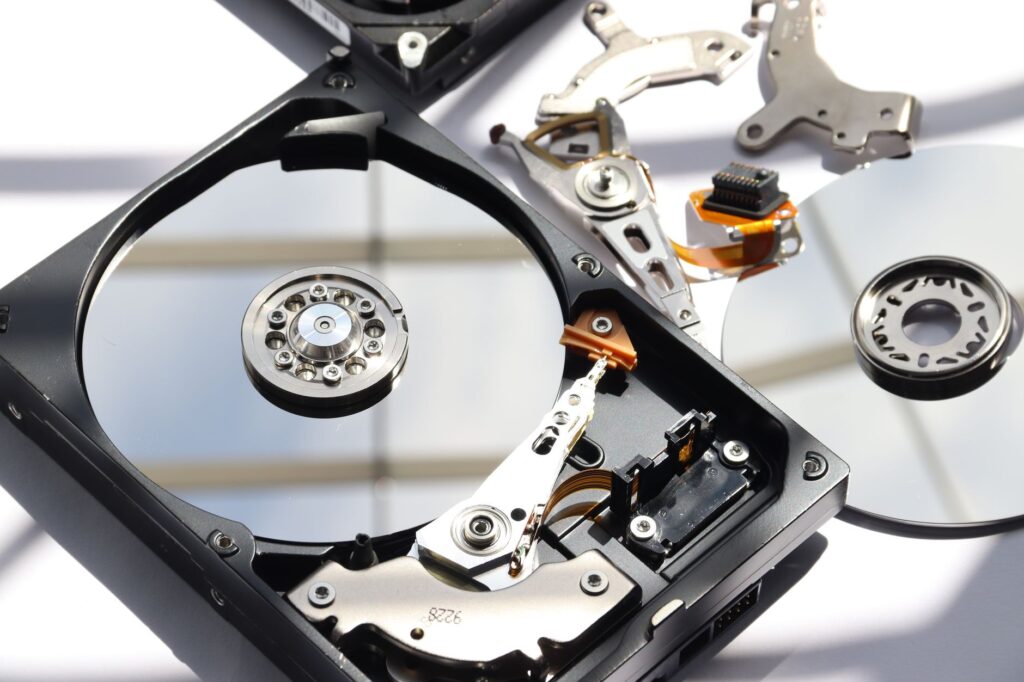
A reliability study on hard disk drives has surfaced findings that challenge the conventional wisdom many small-business operators rely on when choosing storage. HDDs remain popular precisely because they cost far less than solid-state drives, making them the default choice for budget-conscious shops managing video archives, customer databases, or backup repositories. The study appears to flag specific failure patterns or environmental vulnerabilities that matter directly to operators who have built their data strategies around HDD economics. What the original likely covers in depth—failure rates by manufacturer, usage patterns that correlate with breakdowns, or environmental factors that accelerate wear—determines whether this is a minor statistical quirk or a genuine risk that should reshape your purchasing decisions.
For a small-business operator, hard drive failure is not an abstract reliability metric; it is downtime, lost revenue, and potentially unrecoverable customer data. If you are running a video production shop, a medical or legal practice with strict retention requirements, or any operation where files live on spinning disks rather than cloud infrastructure, HDD failure directly hits your bottom line. The cost savings that made HDDs attractive in the first place evaporate the moment a drive fails and you face emergency recovery services, emergency purchasing of replacement hardware at retail prices, or worse, permanent loss. A study flagging specific risks gives you the data to weigh whether cheaper upfront cost actually delivers cheaper total cost of ownership.
The source describes this as a sample study, which matters. Sample-based research on hardware reliability is common and useful, but the conclusions hold only if the sample was large enough, the failure definitions were clear, and the usage patterns tested reflected real-world conditions. We do not know from the excerpt whether the study tested drives under normal small-business conditions or laboratory extremes, whether it tracked enterprise-grade drives separately from consumer models, or how many drives and how many months of operation the researchers observed. The headline flags risk without specifying what kind—mechanical failure, electronic failure, data corruption, or something else. Until you read the full study or a detailed technical summary, treat the headline as a prompt to investigate, not as proof you need to replace your drives today.
The downstream effect depends entirely on what the study actually found. If the risk is limited to a single manufacturer or drive model, you adjust your vendor strategy. If the risk correlates with specific operating conditions—high heat, frequent power cycling, continuous operation—you can mitigate through environment control or duty-cycle management. If the risk is broad and unavoidable, it reshapes your capital plan: you may need to budget for more frequent replacements, invest in redundancy (RAID), or migrate critical data to cloud or SSD storage sooner than you planned. For operators already running two-drive backups or cloud synchronization, the finding may change little. For those treating HDDs as a permanent data home, it changes everything.
Read the full study or a technical summary to understand what specific risk you are facing. Identify which of your drives are covered by the finding—check manufacturer, model, and age. If you store mission-critical data on HDDs, evaluate redundancy options now: a second drive, regular backups to cloud, or a gradual migration to SSD for your most important files. If you are planning a storage purchase, use this as a reason to ask vendors for failure rate data specific to your use case and to negotiate warranty or replacement terms that protect you if drives fail sooner than expected.
Takeaway: Verify which HDD models or manufacturers the study flags before deciding whether to replace drives or change your storage strategy.
Excerpt from the original — Engadget
HDDs may not be as in-demand as the faster SSDs, but they're still plenty popular thanks to their low cost. And yet, this sample study reveals the big issue.