
UpTrajectory Review
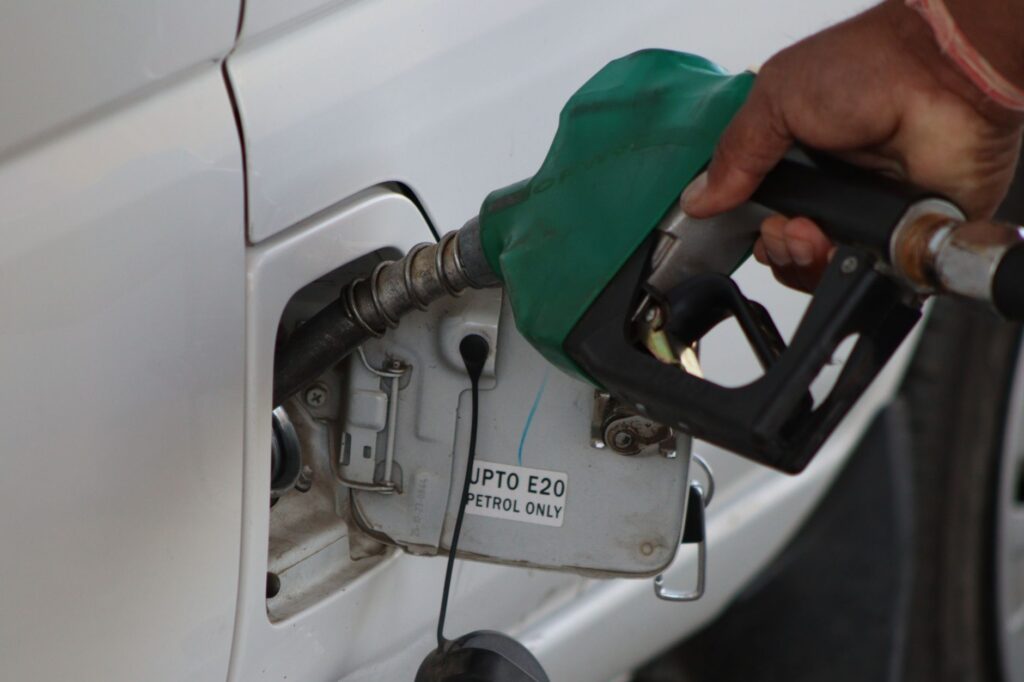
Walmart's chief financial officer told Wall Street that elevated fuel costs are straining household budgets, and the retailer treats the pattern as an early signal of consumer stress. The remark arrives as investors search for proof that the Iran war is reaching Main Street. Walmart operates the largest cash register in the country, so its traffic and ticket data offer a live read on how far a dollar now travels. When its finance chief speaks, traders listen because the figures surface weeks before government reports do, and they cover shoppers that government surveys often miss.
For a small-business operator, the signal cuts two ways. If customers drive to reach you, fuel now competes directly with your price list. A diner on the highway, a landscaper running crews, a hardware store at the edge of town all feel the pinch when fill-ups climb. Walmart's warning suggests shoppers will trade down, bundle errands, and postpone discretionary purchases. Owners who sell essentials may hold volume while margins compress; owners who sell luxuries should expect longer decision cycles, smaller baskets, and more price resistance at the counter.
The fresh angle is timing and tone. Wall Street usually treats Walmart as a defensive name that holds up when budgets tighten; a stress call from its CFO reframes the consumer as fragile rather than resilient. We agree with the caution. Gasoline is the one price every driver sees weekly, and it colors every other spending choice within days. We remain skeptical of reading one quarter as a trend, though, because Walmart's mix skews toward groceries, where behavior shifts faster than in services, specialty retail, or contract work that books months ahead.
Second-order effects reach beyond the pump. Higher fuel costs lift freight bills for every pallet and package, and small carriers often lack the fuel-surcharge clauses that protect big shippers. Employees who commute long distances face the same squeeze, which can push wage demands up even when headline pay stays flat. Rural operators feel the gap most: their customers drive farther, their suppliers charge more, and their alternatives shrink. Urban owners may see a modest benefit as shoppers stay local instead of driving to big-box strips, which shifts foot traffic toward neighborhood corridors.
Watch three numbers in the coming weeks. First, Walmart's next traffic and average-ticket release, which will show whether stress hardened into pullback. Second, regional gas prices, since a plateau would let budgets recover faster than a continued climb. Third, your own sales by daypart and basket size; a shift toward fewer, larger trips signals the same trade-down pattern. Operators who can bundle services, offer delivery, or lock in freight rates now should move before the next supplier invoice arrives, because repricing mid-quarter is harder than pricing ahead.
Takeaway: Track basket size and daypart sales now, and lock freight or delivery terms before the next supplier invoice reflects higher fuel costs.
Excerpt from the original — MarketWatch Top Stories
“That’s an indication of stress,” Walmart’s CFO said, as Wall Street looks for signs of the Iran war’s impact on consumers.