UpTrajectory Review
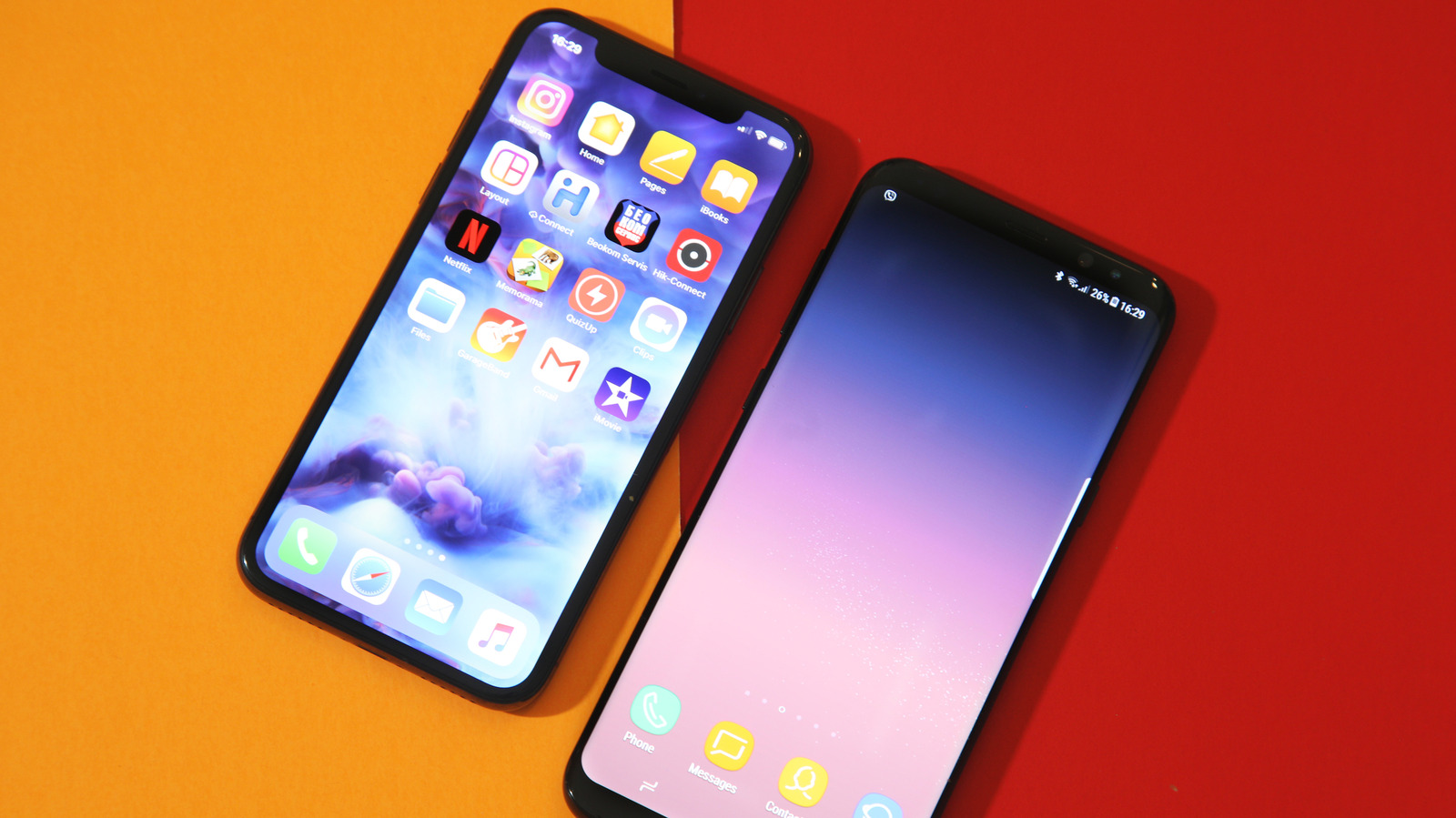
The security camera industry has spent decades convincing small-business owners that protecting their property requires expensive hardware, monthly cloud subscriptions, and professional installation. Engadget's guide cuts through that narrative with a bluntly practical alternative: that drawer of obsolete smartphones most of us already possess can become a functional surveillance system at zero incremental cost. The piece walks through converting old iPhones and Android devices into networked cameras using free applications, a proposition that lands differently in 2024 than it might have five years ago. Camera phone quality has improved dramatically, night mode and motion detection have become standard, and the ubiquity of WiFi means connectivity is rarely the constraint it once was. For operators who have watched security system quotes climb into four figures for basic coverage, the timing is notable.
For a small-business operator, the appeal is immediate and specific. A retail shop owner with a back entrance, a restaurant manager monitoring after-hours delivery areas, a home-based contractor protecting tools and materials—each faces the classic dilemma of wanting visibility without committing to recurring expenses that erode thin margins. The smartphone-as-camera approach eliminates hardware procurement, sidesteps subscription lock-in, and leverages sunk costs. What makes this genuinely useful rather than merely clever is scalability: one old phone covers a single vulnerability point, but most small businesses accumulate several devices over upgrade cycles, enabling multi-angle coverage without the geometric cost expansion of traditional systems. The operator who thinks strategically about placement and power management can build coverage comparable to entry-level commercial packages.
What the headline's enthusiastic framing understates are the operational realities that separate functional from reliable. Free applications vary enormously in stability, update frequency, and data handling practices—critical considerations when your business footage transits someone else's servers. Power management demands attention: old phones left plugged in continuously risk battery swelling, and dedicated power solutions add hidden costs. Storage is another gap; cloud recording typically requires payment, while local storage limits retention and accessibility. The piece's breezy 'even better? It's free' elides these tradeoffs, and we are skeptical of any security recommendation that doesn't foreground them. The genuinely new element here isn't the technique itself—phone-to-camera conversion has existed for years—but the maturation of software ecosystems and the sheer quality surplus in recent-generation devices that makes the output credibly useful rather than novelty-grade.
The downstream effects ripple in interesting directions. Traditional security vendors have already felt pressure from Wyze, Blink, and other budget disruptors; widespread adoption of zero-cost alternatives would accelerate margin compression at the low end. More consequentially for readers, this approach shifts risk profiles. A commercial system carries warranties, support channels, and often insurance-recognized installation standards. The DIY phone model places full responsibility on the operator—configuration errors, firmware vulnerabilities, evidence-chain integrity if footage is needed for legal proceedings. For some businesses, particularly those handling significant cash or sensitive inventory, that liability calculus may favor paid solutions despite the cost. For others, particularly in early-stage or cash-constrained operations, the tradeoff is rational and worth making with eyes open.
What to watch: whether major phone manufacturers or software developers formalize this use case with dedicated tools, which would signal mainstream legitimacy and potentially improve security practices. Google's existing device repurposing features and Apple's relative silence on the topic suggest asymmetric corporate interest. For operators considering this path, the actionable sequence is audit first—inventory available devices, assess their camera specifications against your actual visibility needs, research application reviews with attention to privacy policies and recent update history, and test one installation thoroughly before scaling. The takeaway is not that professional security systems are obsolete, but that the threshold for justified expenditure has risen. The smart operator now has a genuine zero-cost baseline against which to evaluate paid alternatives, and that bargaining position changes every vendor conversation.
Takeaway: Audit your old devices first, test one camera thoroughly, and use free phone coverage as a baseline to negotiate paid security quotes.
Excerpt from the original — Engadget
With the right setup, an old, unused phone can be repurposed into a security camera. Even better? It's free.