
UpTrajectory Review
NPR's Scott Horsley reports that consumer prices climbed 3.8 percent in April from a year earlier, the steepest annual increase in nearly three years, with rising gasoline prices doing the pushing. That figure comes from the Labor Department's consumer price index, the standard yardstick for what households pay at the register. The item is brief, but the number carries weight: after a long stretch of cooling that let the Federal Reserve ease interest rates, inflation has found a second wind, and energy costs are the engine. For readers who lived through the 2021-2023 price spike, the pattern feels familiar, even if the scale does not yet match it.
A small-business operator should read this as a margin warning, not a headline. Gasoline sits inside nearly everything you sell or ship: supplier freight, your own deliveries, customer drive-by traffic. When pump prices rise, your vendors' fuel surcharges follow within weeks, and they land on invoices you cannot easily refuse. If you run a restaurant, a landscaping crew, a cleaning service, or any shop that depends on customers arriving by car, you face the squeeze from both sides: higher input costs and softer foot traffic as households trim discretionary spending to cover their own fuel bills.
What is genuinely notable is the direction and the driver. A 3.8 percent annual reading breaks a long disinflation trend and arrives while the Fed has already been cutting rates, which removes the usual cushion. Horsley points to gasoline as the culprit, and energy-led inflation behaves differently from wage-led or demand-led inflation: it acts like a tax, paid immediately, with no offsetting gain in anyone's income. We would caution against panic, though. One month does not make a new regime, and energy spikes often reverse. But the Fed's job gets harder from here, and borrowers who hoped for cheaper credit may wait longer.
The burden falls unevenly. Businesses with thin margins and fuel-heavy operations, trucking, food distribution, home services, feel this first and hardest. Firms with pricing power can pass costs along; those competing on price cannot, and they absorb the hit in earnings. Workers feel it too, because a 3.8 percent price rise outpaces most recent wage gains, which means real paychecks shrink and consumers trade down. That shift hits the mid-market small business, the neighborhood retailer competing with discounters, before it hits anyone else.
Watch the May and June CPI releases to see whether gasoline pulls other prices along or stays contained. If you operate a business, audit your fuel exposure now: map which suppliers levy surcharges, renegotiate delivery schedules to cut trips, and decide in advance which costs you can pass through and which you must absorb. If you have been waiting to raise prices, a broad inflation story gives you cover with customers. If you have been waiting to borrow, do not count on rate cuts arriving on schedule. The original NPR piece covers the numbers; the decision about what they cost you is yours.
“Rising gasoline prices pushed inflation to its highest level in almost three years in April.” — NPR News
Takeaway: Audit your fuel surcharges and delivery costs this week, and decide now which price increases you can pass to customers.
Excerpt from the original — NPR News
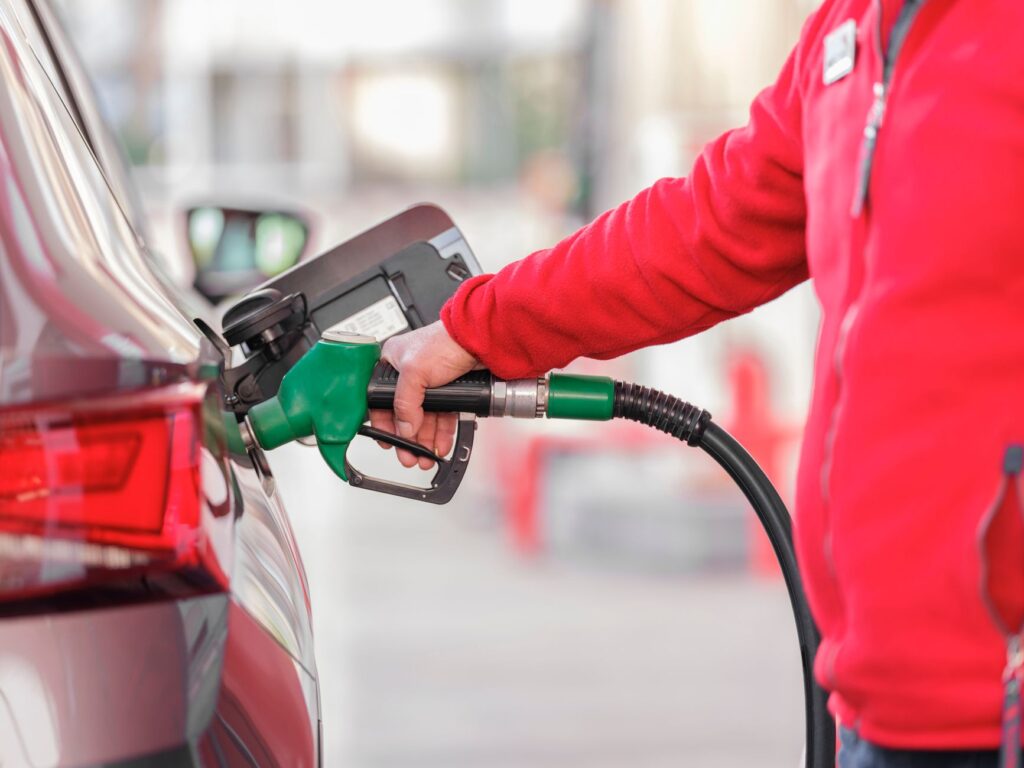
Rising gasoline prices pushed inflation to its highest level in almost three years in April. Consumer prices were up 3.8% from a year ago. (Image credit: Ronaldo Schemidt)