
UpTrajectory Review
The consumer price index has climbed to 4%, its highest reading in more than three years, and the proximate cause sits at the gas pump. The U.S. and Israel launched a war on Iran, oil markets flinched, and gasoline prices carried the inflation number upward. Scott Horsley's brief NPR report flags the milestone and its geopolitical trigger; the full piece almost certainly unpacks the monthly Bureau of Labor Statistics release, the energy component's contribution, and whether core inflation (which strips out food and energy) is drifting too. The context a reader needs: energy shocks propagate. Fuel costs feed freight, freight feeds groceries, and within a quarter a pump-price spike can touch nearly every line item a household or a small business buys.
For a small-business operator, 4% is not an abstraction. It is the input bill creeping up, the wage ask from employees whose own costs rose, and the pricing conversation you have been avoiding with customers. Gasoline's surge matters twice for anyone who runs delivery vans, a service fleet, or a food truck: you pay more at the pump, and your suppliers quietly add fuel surcharges to every invoice. If you set prices annually, you are already behind. If you set them per job, you face the daily choice between margin erosion and sticker shock. Either way, inflation at a three-year high punishes the operator who treats pricing as a set-and-forget task.
What is genuinely new here is the speed and the source. Inflation had been cooling; a war-driven energy spike reversed that trend within weeks. The contested question Horsley raises by implication: is this a one-time price-level shock that fades as oil stabilizes, or the start of a broader second wave? We are skeptical of any confident answer in either direction. Energy-driven spikes often look worse in headline numbers than in the underlying trend, but the 1970s taught us that repeated oil shocks can entrench inflation expectations. Watch core CPI, not just the headline. If core stays sticky while gasoline eases, the Federal Reserve faces a genuine dilemma.
The effects land unevenly. A law firm with no fleet and low materials costs barely feels this; a landscaper, a courier, a caterer, or a rural retailer with long supply runs feels it immediately. Employees commuting 40 miles feel it at the pump and bring that pain to the negotiating table. Downstream, expect freight surcharges, higher airfare, and pricier anything that moves by truck. The one modest relief: if the war resolves or OPEC fills the gap, gasoline can fall as fast as it rose, dragging the headline number down and giving the Fed room to cut rates. That is a big if.
What to do now: reprice your fuel exposure honestly. Add a transparent fuel surcharge to delivery quotes, or index long-term contracts to a published diesel or gasoline benchmark. Audit your top ten input costs for hidden freight fees; suppliers pass them through whether or not they label them. Hold off on locking long-term debt until the next CPI print clarifies whether this is energy noise or a trend. And watch two numbers monthly: the BLS gasoline index and core CPI. The first tells you what your fleet costs next month. The second tells you whether the Fed's next move helps or hurts your borrowing costs.
“Inflation has surged to its highest level in more than three years since the U.S. and Israel launched their war on Iran, triggering a surge in gasoline prices.” — NPR Business
Takeaway: Add a transparent fuel surcharge to quotes now, and watch core CPI monthly to decide whether this spike demands a broader repricing.
Excerpt from the original — NPR Business
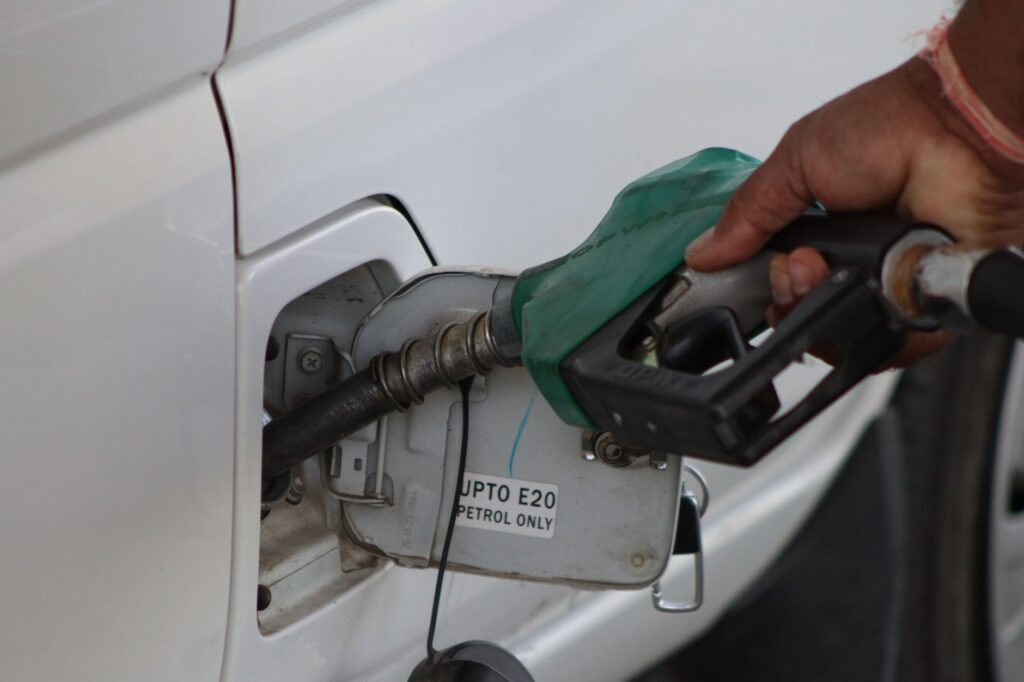
Inflation has surged to its highest level in more than three years since the U.S. and Israel launched their war on Iran, triggering a surge in gasoline prices. (Image credit: Joe Raedle)