
UpTrajectory Review
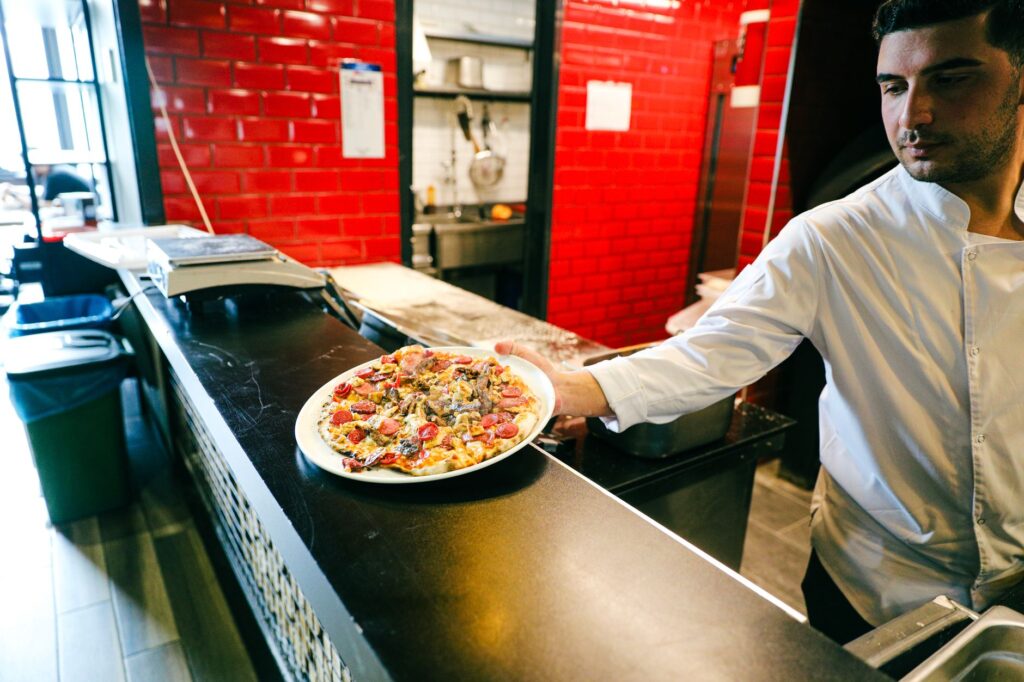
Mellow Mushroom, the Atlanta-based pizza chain known for its psychedelic branding and craft beer focus, is betting that technology can solve two problems at once: slow kitchen throughput and inconsistent guest experiences. Executive vice president of strategy and transformation Ahsan Jiva outlines a dual-track approach in this Nation's Restaurant News piece. The company has invested in back-of-house systems that tighten order routing and inventory tracking, while simultaneously rolling out a hybrid service model that lets guests order at the counter, from their phones, or through traditional table service depending on location format and daypart.
For independent restaurant operators, this signals something beyond one chain's IT budget. Mellow Mushroom operates roughly 150 locations, mostly franchised, which means Jiva's team must build systems that a diverse operator base can actually run. That constraint shapes every choice. The tech cannot demand a dedicated IT hire or a complete service-model overhaul. It must slot into kitchens where the pizza oven still matters more than the tablet. When a chain this size finds workable middle ground between full-service hospitality and counter-service speed, it creates a template that single-unit owners can adapt without venture capital backing.
What stands out in Jiva's framing is the refusal to treat efficiency and experience as a trade-off. Many operators assume that digital ordering degrades hospitality. Mellow Mushroom's bet runs opposite: that removing friction at the point of order frees staff to deliver better food and more attentive service where it counts. The hybrid model acknowledges that a Tuesday lunch crowd wants speed while a Friday night table wants atmosphere. This is not a novel insight, but executing it across a franchise system requires operational discipline that most concepts never achieve.
The under-reported tension here is franchisee adoption. Corporate can mandate tablets and new POS workflows, but a franchisee paying the bills will resist any system that slows ticket times during a rush or adds training burden to a thin staff. Jiva's title itself, strategy and transformation, hints at the internal selling required. The piece likely glosses over the messy middle: the locations that piloted poorly, the menu items that did not photograph well for mobile ordering, the servers who saw tips dip when counter service expanded. Those failures, not the success story, hold the lessons for operators watching from outside.
Watch whether Mellow Mushroom publishes hard numbers on check size and table turns by service mode. If counter-service dayparts show higher average tickets without depressing repeat visits, other full-service pizza and casual concepts will accelerate similar hybrid rollouts. Operators should also track how the chain handles tip pooling and wage structure when guests split their time between ordering on a phone and interacting with a server. That labor question will determine whether this model spreads or stalls.
For a small operator, the actionable move is narrower than Mellow Mushroom's full stack. Start by auditing your own order flow for the single biggest bottleneck, whether that is a handwritten ticket rail, a POS that cannot split checks, or a phone that rings unanswered during service. Fix that one point with whatever tool fits your budget and staff skill. Do not buy a platform because a 150-unit chain did. Buy it because your Friday night line proves you need it.
“Ahsan Jiva shares how tech upgrades and a hybrid service model can boost the business.” — Nation's Restaurant News
Takeaway: Audit your order flow for one bottleneck, fix it with a tool your staff can run, and measure ticket times before expanding.
Excerpt from the original — Nation's Restaurant News
Executive vice president of strategy and transformation Ahsan Jiva shares how tech upgrades and a hybrid service model can boost the business.