
UpTrajectory Review
Nvidia has entered the laptop silicon race with its RTX Spark N1X, an Arm-based system-on-chip now shipping in Windows machines from six manufacturers. The Verge's hardware team has spent weeks testing units from Asus, Microsoft, and others, with the flagship configuration appearing inside the Surface Laptop Ultra carrying 128GB of unified memory. This is not a budget play. The Spark N1X pairs Nvidia's Blackwell graphics architecture with a high-core-count Arm CPU and a unified memory pool large enough to run substantial local AI models without touching the cloud. The chip targets the same premium territory Apple occupies with its M-series processors, but runs Windows and leans heavily into GPU-accelerated AI workloads that have been Nvidia's exclusive domain in data centers.
For small business owners, this matters because the laptop procurement calculus just changed. If your operation depends on creative work, data analysis, or AI-assisted workflows—image generation, local language models, video rendering, CAD—the Spark N1X offers something Intel and AMD have not: a Windows laptop that can genuinely run large local models without a discrete GPU brick. That means field staff, consultants, or studio teams can work on sensitive client data without sending it to external APIs. It also means a single laptop can replace a desktop workstation for many knowledge workers, though the premium pricing (these are high-end machines) means the math only works if you actually need the capability.
What is genuinely new here is not the hardware itself but the competitive structure. Qualcomm's Snapdragon X Elite was supposed to break the x86 duopoly and largely underdelivered on performance promises. Nvidia arrives with a stronger GPU pedigree and a developer ecosystem already built around CUDA. The Verge's early testing suggests the Spark N1X is competitive with Apple's best, which is a first for Windows on Arm. We are skeptical of the battery life claims—Arm chips historically promise all-day use and deliver mixed results under real workloads—but the performance-per-watt story appears credible. The unified memory architecture, borrowed from Apple's playbook, is the real innovation: it lets the CPU and GPU share a pool, eliminating the bottleneck that has hampered discrete-GPU laptops for years.
The second-order effects ripple outward. First, Intel and AMD now face pressure on their highest-margin products, not just entry-level thin-and-lights. Expect aggressive pricing or bundled deals on Core Ultra and Ryzen AI machines within two quarters. Second, software vendors will need to optimize for Arm-native performance on Windows—a transition that has been slow and painful. Businesses running legacy x86 applications through emulation may hit compatibility snags, particularly with older drivers or niche vertical software. Third, the local AI angle has real implications for data governance. If your firm has been avoiding AI tools because of client confidentiality, these machines lower the barrier. But they also raise the stakes on endpoint security: a laptop that can run a 70-billion-parameter model locally can also run malicious AI tools just as easily.
What to watch: driver stability and thermal performance under sustained load, which The Verge's longer-term testing will reveal. Also watch whether enterprise management tools—Microsoft Intune, VPN clients, endpoint security agents—ship native Arm versions promptly; this has been a friction point for early Snapdragon adopters. If you are due for a hardware refresh and your workflows involve AI, CAD, or heavy media work, wait for The Verge's full comparative benchmarks before committing. If your team runs standard office software, current-generation Intel or AMD laptops remain the safer, cheaper bet for at least another cycle.
“RTX Spark is designed to be a high-performing Arm-based SoC for laptops and small desktop computers, rivaling the best from Apple, Intel, AMD, and Qualcomm.” — The Verge
Takeaway: Nvidia's RTX Spark laptops bring workstation-class local AI to Windows for the first time, but early adopters should verify software compatibility and wait for sustained-performance benchmarks before buying.
Excerpt from the original — The Verge
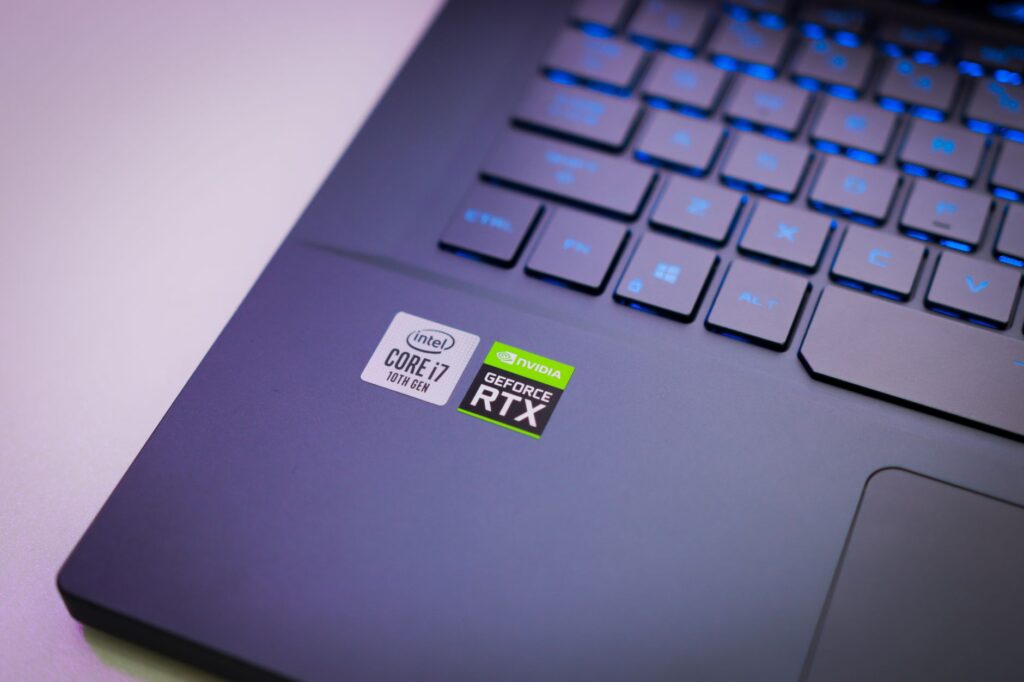
Nvidia’s new SoC is available in Windows laptops from six different manufacturers. We’ve collectively tested four of them so far. | Photo: Antonio G. Di Benedetto / The Verge
Nvidia's RTX Spark N1X processor is finally here, and we've been collectively testing a small fortune's worth of powerful laptops sporting this new "superchip." RTX Spark is designed to be a high-performing Arm-based SoC for laptops and small desktop computers, rivaling the best from Apple, Intel, AMD, and Qualcomm. It has loads of cores, Nvidia RTX Blackwell graphics, and enough power and unified memory to run sizable local AI models.
The flagship placement is inside Microsoft's Surface Laptop Ultra with a staggering 128GB of unified memory, which our own Tom Warren fully reviewed. Sean Hollister has been testing a 64GB version of the Asus …
Read the full story at The Verge.