
UpTrajectory Review
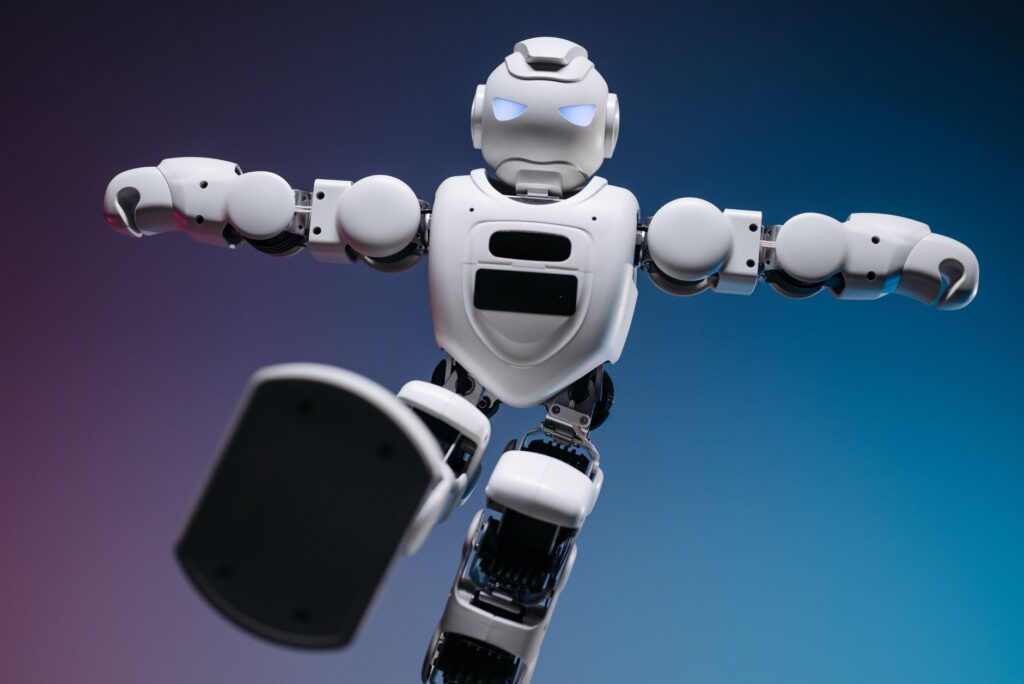
Sam Altman has publicly committed OpenAI to building a humanoid robot, but his framing is telling: the body is the easy part. The hard part, he argues, is the 'brain' — the software that lets a machine navigate a world built for human hands, human doors, human tools. This is a significant signal from a company that has spent the last two years licensing its models to robotics firms like Figure and 1X rather than building hardware itself. The shift suggests OpenAI now believes the general-purpose reasoning gap, not the mechanical engineering gap, is the true bottleneck. For a small-business operator, this is not science fiction; it is a roadmap for when humanoid labor might actually arrive on your loading dock.
The immediate relevance for small businesses is timeline and cost. If Altman is right that the brain is the constraint, then the first viable humanoid workers will likely be software-heavy, cloud-dependent systems — not self-contained units you can buy outright. That means the early adopters will be large logistics and manufacturing players who can absorb subscription-style robotics-as-a-service contracts. A local retailer or regional distributor should not budget for a humanoid employee this decade, but should start mapping which repetitive, human-shaped tasks (unloading, shelving, cleaning) could be outsourced when the economics shift. The competitive risk is not being early; it is being unprepared when a larger rival suddenly cuts labor costs on those tasks.
What is genuinely new here is the explicit prioritization of cognition over embodiment. Most robotics coverage fixates on hardware milestones — walking speed, battery life, degrees of freedom. Altman is effectively saying those are solved problems waiting for a better model. We are skeptical of that claim. The history of automation is littered with 'brains' that worked in simulation and failed on a wet floor or a mislabeled box. OpenAI's own track record with physical-world reliability (see: early autonomous vehicle partnerships) is thin. The under-reported angle is safety and liability: a generalist humanoid that can open any door can also make mistakes in any room. Insurance and regulatory frameworks for this do not exist yet.
Second-order effects will hit labor markets unevenly. Warehousing and light manufacturing will feel pressure first, but the ripple extends to commercial real estate (fewer humans means different space needs), workers' comp insurers (new actuarial categories), and even municipal tax bases that rely on payroll. There is also a talent arbitrage: if OpenAI succeeds, the scarce skill will not be robot operation but robot supervision — the human who manages a fleet. Small businesses that train staff now on workflow automation and exception-handling will have a cheaper transition than those that wait for a plug-and-play unit.
Watch OpenAI's next hardware partnership announcement; if they move from licensing to acquiring or co-developing a body, the timeline accelerates. Also track Figure and 1X — if they start shipping units with OpenAI models embedded, the 'brain-first' strategy is real. In the meantime, audit your own operation: list the three most repetitive, human-shaped tasks you pay for today. That list is your robotics readiness plan. Do not buy the hype, but do not ignore the direction.
“OpenAI CEO Sam Altman wants a humanoid that can operate in a world designed for people, though the CEO says a robot 'brain' is a much bigger challenge.” — Engadget
Takeaway: Map your most repetitive human-shaped tasks now; humanoid labor will arrive as a service, not a purchase, and the unprepared will pay the premium.
Excerpt from the original — Engadget
OpenAI CEO Sam Altman wants a humanoid that can operate in a world designed for people, though the CEO says a robot 'brain' is a much bigger challenge.