
UpTrajectory Review
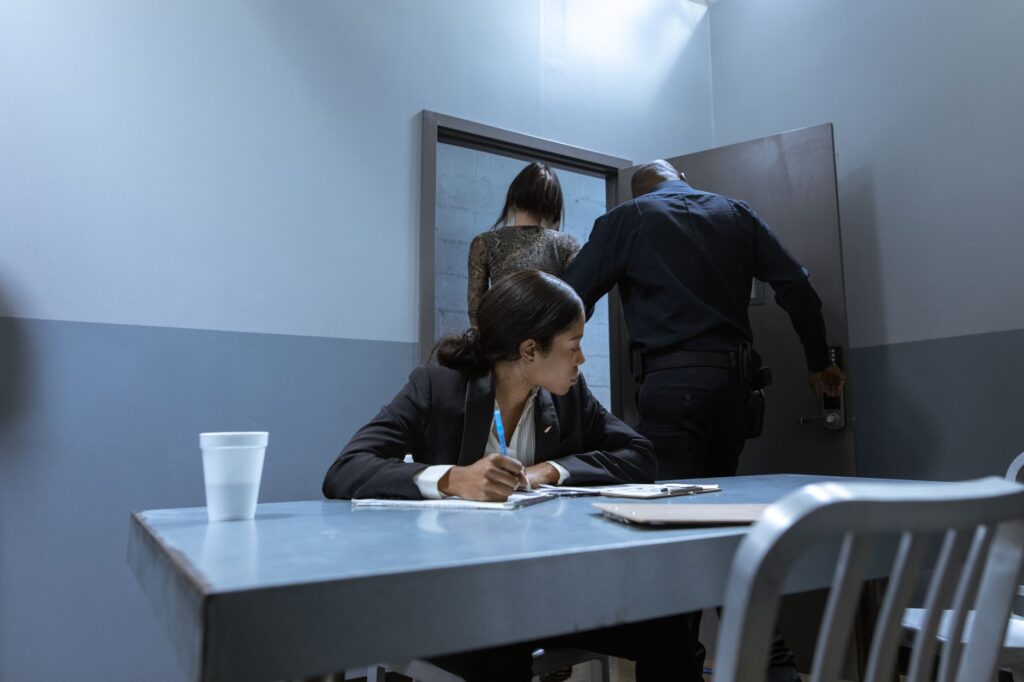
A Philadelphia woman named Carolyn Marvin was arrested and charged with disorderly conduct after she stood in front of an Uber delivery robot and refused to move, telling local station ABC13 that she was protesting because the machines are taking jobs from human delivery workers. Police were called, asked her to step aside, and cuffed her when she declined. The confrontation, captured on video, has since drawn outsized media attention — a single act of street-level civil disobedience colliding with one of the most heavily funded automation experiments in urban America.
For small-business operators, this is not a curiosity; it is a preview of the sidewalk outside your door. Uber, Amazon, and a raft of startups have flooded cities with delivery robots and drones, often under loose pilot programs that let them externalize costs — congestion, safety hazards, accessibility conflicts — onto everyone else while they gather data. If you run a café, a bodega, or any business that relies on foot traffic, these machines are now part of your customer experience, whether you invited them or not. Marvin's arrest forces a question most operators have quietly avoided: who governs the last hundred feet of your supply chain?
What is genuinely new here is not the protest — labor resistance to automation is as old as the loom — but the legal asymmetry it exposes. Marvin faces a disorderly conduct charge for impeding a robot, while the robot's operator faces no equivalent penalty for impeding pedestrians, wheelchair users, or the workers whose wages it undercuts. The Verge's framing of rising automation tensions is apt, but the deeper story is the absence of rules: cities have granted sidewalk access to private fleets with less public process than a hot-dog stand requires. We are skeptical of any narrative that paints this as mere Luddism; blocking one robot is a rational response to a policy vacuum.
The second-order effects cut in several directions. Restaurants and small retailers may welcome cheaper last-mile delivery, but they also inherit the backlash — customers who resent the robots will not distinguish between Uber's hardware and your storefront. Gig couriers, already squeezed by algorithmic pay, see their routes cannibalized one sidewalk at a time. And municipalities now face a precedent question: if standing in front of a robot is disorderly conduct, what happens when a blind pedestrian, a stroller, or a construction barrier does the same? The cost of unregulated deployment is being shifted to police budgets, court dockets, and public patience.
Watch what Philadelphia's city council does next — whether it tightens permitting for autonomous sidewalk devices or lets the arrest stand as de facto enforcement of corporate right-of-way. Operators should also track whether Uber expands its robot fleet in response to the publicity, and whether delivery unions or gig-worker groups formalize protest tactics. In the meantime, the practical move is to audit your own delivery mix: know which partners are using robots, understand how your customers feel about it, and decide whether your brand benefits from the efficiency or suffers by association. The sidewalk is contested ground now; neutrality is still a choice, but it is no longer invisible.
“I know they're taking the jobs of human delivery workers and so, I have been protesting them whenever I saw them by standing in front of them and preventing them from going forward.” — The Verge
Takeaway: Audit which delivery partners use sidewalk robots and decide whether your brand benefits from the efficiency or absorbs the backlash.
Excerpt from the original — The Verge
Carolyn Marvin was arrested and charged with disorderly conduct after blocking the path of an Uber delivery robot and refusing to get out of the way. Marvin told Philadelphia's ABC13 "I know they're taking the jobs of human delivery workers and so, I have been protesting them whenever I saw them by standing in front of them and preventing them from going forward."
Police responded to the scene and asked Marvin to move out of the robot's way. When she refused, they placed her in cuffs and arrested her. The incident was captured on video and has now garnered considerable media attention.
The delivery robots have become a common sight on the …
Read the full story at The Verge.