
UpTrajectory Review
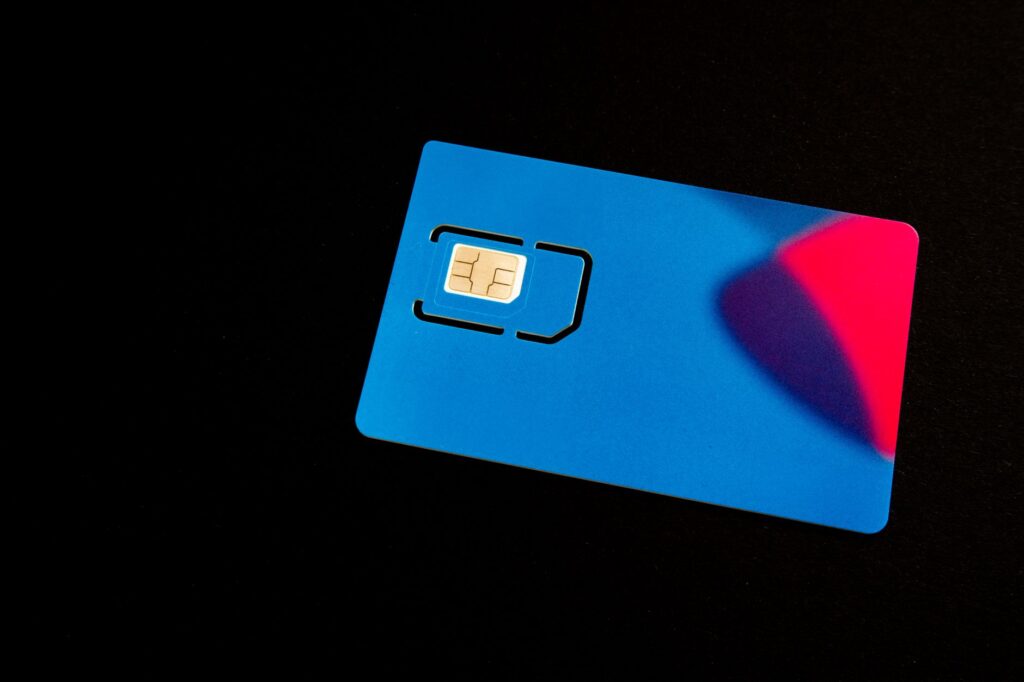
ZDNet has published a primer on SIM swapping, a fraud in which an attacker persuades or bribes a mobile carrier to move a victim's phone number to a SIM card the attacker controls. Once the number routes to the criminal's device, every text message and voice call follows, including the one-time codes banks, email providers, and password managers send as proof of identity. The piece walks through how these attacks unfold and how to block them. The threat is not exotic. Carriers built their account-recovery processes for convenience, and criminals learned to exploit them years ago. What changed recently is scale: cryptocurrency holdings, payroll apps, and business banking all now sit behind SMS codes, so a hijacked number can empty a company account in minutes, not just embarrass an individual.
For a small-business operator, the stakes run past your own phone. If your business line sits on a personal plan, or if employees use their own numbers for two-factor authentication on company accounts, one swapped SIM can hand an attacker the keys to your accounting software, your cloud storage, and your customer list. Attackers also use the hijacked number to reset passwords on services you forgot you had, then pivot into your vendors and clients. The ZDNet piece matters because most owners still treat SMS codes as a security upgrade rather than a single point of failure that a phone-store clerk can undo.
The genuinely useful move here is the carrier-side defense the piece highlights: a PIN or passcode on your mobile account, plus a port freeze where your carrier offers one. These locks stop the casual social-engineering attack, which is still the most common kind. We agree with ZDNet's emphasis on moving away from SMS for two-factor authentication toward authenticator apps or hardware keys. We remain skeptical of any advice that stops at 'be vigilant.' Vigilance does not stop a bribed or careless carrier employee, and it does nothing after the swap happens. The piece likely underplays how uneven carrier protections are and how rarely victims recover stolen funds.
The second-order effects split by size. A solo operator loses access to everything tied to the number and may spend weeks proving identity to banks and carriers. A firm with five or fifty lines faces a harder problem: every employee's number is an attack surface, and most carriers let any authorized account user make changes. That means a bookkeeper's hijacked number can become your breached payroll. Downstream, expect your bank to treat a fraudulent transfer authorized by SMS as your loss, not theirs, and expect your cyber insurer to ask whether you had carrier locks in place before it pays a claim.
Watch for your carrier to add stronger account controls, and push for them if it has not. This week, set a unique PIN on every business line, freeze porting if the option exists, and inventory which company accounts still rely on SMS codes. Move those to an authenticator app or a hardware key, starting with banking and email. Write down your carrier's fraud line and store it somewhere you can reach without your phone. If a line goes dead unexpectedly, treat it as a security incident, not a service outage, and call the bank before you call the carrier.
Takeaway: Set a carrier PIN, freeze number porting, and move business accounts off SMS codes before an attacker moves your number.
Excerpt from the original — ZDNet
A SIM swapping attack could compromise your phone, your personal accounts, and even your identity. Here's how to thwart them.