
UpTrajectory Review
Your delivery van breaks down on a Tuesday. The independent mechanic you have used for a decade opens the hood, runs the diagnostic, and finds the sensor that failed. Then he hits a wall: the software needed to reset that sensor belongs to the manufacturer, and the manufacturer will not share it. You tow the van to a dealership and pay a third more for the same repair. This is the daily reality the REPAIR Act targets. The bill would force automakers to hand car owners and independent shops the data, tools, and repair procedures that newer vehicles require. It is bipartisan, and it has the backing of the Auto Care Association, the trade group for the independent repair industry.
For a small-business operator, this is not an abstract policy fight. It is the margin on your fleet, your ability to keep a plumber on the road, your capacity to schedule around a breakdown instead of surrendering to a dealership queue. The ACA pegs the dealership premium at roughly 36% over an independent shop, and that gap compounds fast when you run multiple vehicles. If the bill passes, you gain leverage: your local mechanic can finish the job, and you can shop the repair on price and speed rather than accept the manufacturer's gatekeeping.
The genuinely contested point is safety and security. Automakers argue that opening these gateways invites cybersecurity risks and sloppy repairs to advanced driver-assistance systems. The ACA counters that independent technicians are already trained; they simply lack the keys. We side with the independents here. The data belongs to the car owner, not the company that built it. Massachusetts settled a version of this question by referendum in 2020, and the sky did not fall. A federal standard would spare operators in every state from a patchwork of rules.
The second-order effects run in both directions. Dealership service departments would lose a captive revenue stream, and some may respond by raising prices on the repairs they still control or by pressuring fleet customers into lease structures that bundle maintenance. Independent shops, meanwhile, would need to invest in training and equipment to handle the flood of software-heavy work. That cost will land on them first, and some will pass it along. The bill also does nothing for the older, pre-software vehicles that many small fleets still run, so the savings will concentrate in newer models.
Watch the bill's movement in Congress this session, and track whether your state has its own right-to-repair law on the books. If you operate vehicles, start by asking your current mechanic which manufacturer gateways have blocked recent jobs; that conversation will tell you what this fight is costing you now. If the REPAIR Act advances, prepare to route more work to independents and to renegotiate any fleet service contracts that assume dealership rates.
“These independent shops are up to speed, technologically, in terms of what needs to be done.” — Business Insider
Takeaway: Track the REPAIR Act and audit which of your vehicle repairs got forced to dealerships; the 36% premium is a cost you can pressure lawmakers to remove.
Excerpt from the original — Business Insider
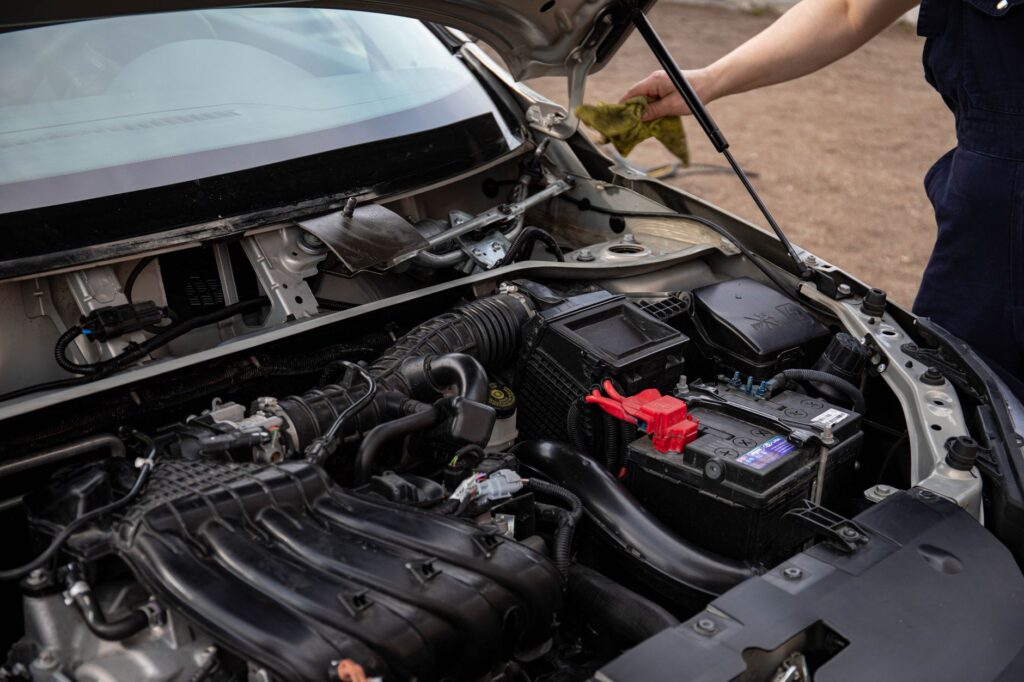
Modern cars increasingly require company-specific software tools in order to complete repairs.Fenton Roman/Getty ImagesModern cars now have software and sensors that are driving up repair costs.Independent repair shops say automakers have created roadblocks that bar them from fixing the cars.The REPAIR Act would require car companies to share necessary data with independent shops.Popping the hood is no longer enough to understand what's wrong with your car.As modern vehicles become computers on wheels, packed with software, sensors, and advanced driver-assistance systems, fixing them increasingly requires access to digital diagnostics, software tools, and manufacturer-specific repair procedures.The REPAIR Act, or the Right to Equitable and Professional Auto Industry Repair Act, aims to create a nationwide auto right-to-repair standard that would require automakers to give car owners and …