
UpTrajectory Review
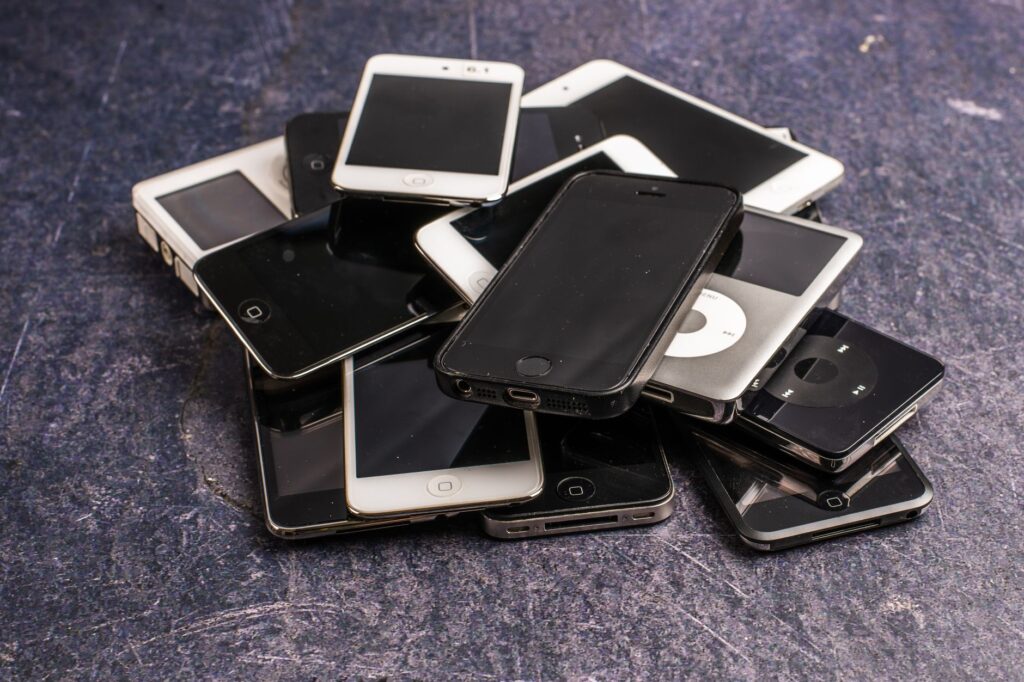
Google Research wants your old phone to keep working after you stop using it. The project, detailed on the company's research blog and now climbing Hacker News, describes a low-carbon computing platform built from retired smartphones. The pitch is simple: modern phones pack serious processing power, sip energy compared with a data-center rack, and sit idle in drawers by the billions. A phone that no longer takes your calls could still run background jobs, edge workloads, or distributed tasks. Google frames this as an e-waste and carbon play, giving hardware a second life instead of a landfill.
For a small-business operator, the appeal is cost and conscience at once. You likely have a drawer of decommissioned devices yourself, and you certainly buy cloud compute by the month. A platform that turns obsolete hardware into usable nodes could trim bills for batch jobs, testing, or lightweight services. It also fits the sustainability story many owners now tell customers and lenders. The catch is operational: phones need power, cooling, networking, and management software that most shops do not run today. The savings only materialize if the orchestration burden stays low.
What is genuinely new is the framing, not the silicon. Single-board computers and used thin clients have served this niche for years. The contested point is reliability and scale. Phones were designed for intermittent, personal use, not 24/7 duty, and their batteries, thermals, and radios behave differently under sustained load. Google has the engineering depth to test that; a five-person shop does not. We are skeptical of any claim that a drawer of phones beats a managed VPS on total cost without labor counted. We agree the carbon math deserves attention, because embodied emissions in a phone are sunk the moment you buy it.
Second-order effects cut several ways. E-waste recyclers could lose volume if reuse scales, while repair shops and refurbishers gain a new buyer class. Phone makers might design for longer service life, or they might resist a trend that slows upgrades. Developers gain a cheap ARM testbed, but they also inherit Android fragmentation, locked bootloaders, and security patches that expire. If Google open-sources the tooling, expect a cottage industry of kits and hosting guides; if it stays a research demo, expect a brief wave of hobbyist enthusiasm and little commercial change.
Watch whether Google releases deployment tooling, power measurements, and failure-rate data, not just a blog post. Also watch whether the Hacker News thread surfaces working builds or only speculation. If you want to experiment, inventory your retired devices, confirm they can run a current supported OS, and test one unit under a real workload for a week before you plan around it. Treat this as a promising research direction, not a procurement strategy, until the reliability numbers arrive.
Takeaway: Treat retired phones as an experiment, not a plan: test one device under real load before counting savings.
Excerpt from the original — Hacker News (front page)
Article URL: https://research.google/blog/a-low-carbon-computing-platform-from-your-retired-phones/
Comments URL: https://news.ycombinator.com/item?id=48515336
Points: 205
# Comments: 118